Trump Bolsters Mideast Military Presence
Senator Bill Hagerty reports President Trump is increasing U.S. military assets in the Middle East, signaling a strong stance in negotiations with Iran. The senator also discussed significant crime reduction in Memphis, attributing it to inter-agency cooperation.

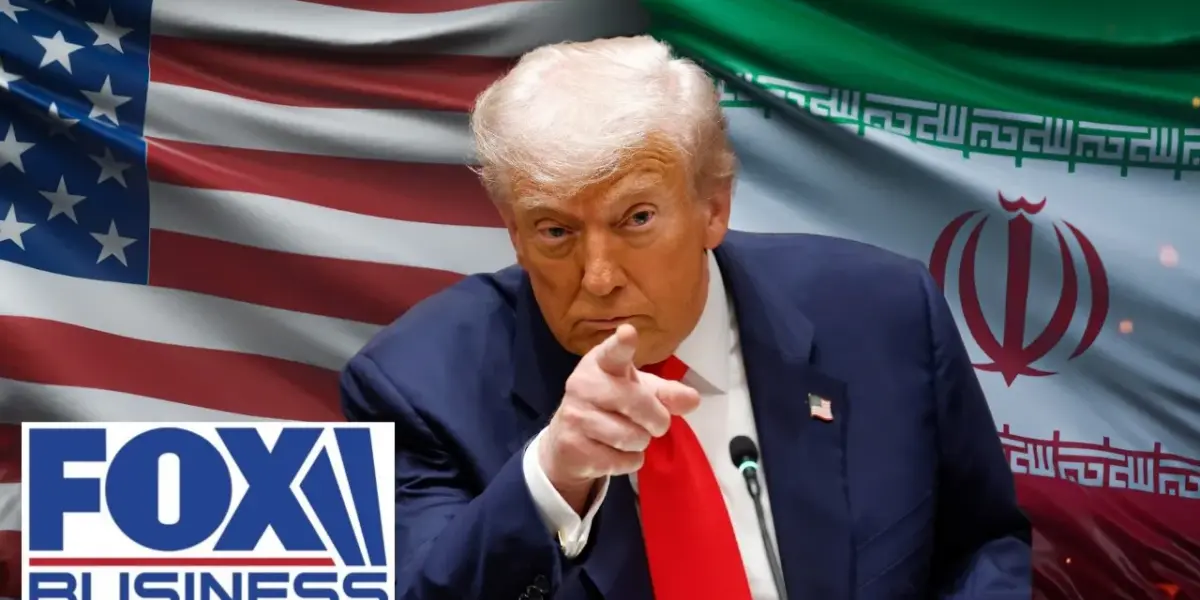
Trump Ramps Up Military Might in Middle East Amidst Diplomatic Efforts
President Trump is significantly increasing the United States’ military presence in the Middle East, a move Senator Bill Hagerty of Tennessee suggests is a strong signal of the administration’s serious intent in ongoing diplomatic negotiations. This buildup includes deploying more naval assets to the region, aiming to negotiate from a position of strength, particularly concerning Iran.
Iran Negotiations and Military Posturing
Senator Hagerty, a member of the Senate Foreign Relations Committee, highlighted the administration’s firm stance on Iran’s nuclear ambitions. He stated that the U.S. demands Iran cease its pursuit of nuclear weapons and give up any uranium it has already produced. The senator believes President Trump is serious about preventing Iran from obtaining nuclear capability, emphasizing that this is a non-negotiable demand.
“President Trump has been forceful in that demand,” Hagerty said. “We’ve devastated their navy, their ballistic capabilities, drone capabilities and launch capabilities and that will continue until this comes to an end.” He noted that the U.S. has weakened Iran’s military infrastructure, including its naval and missile systems. This pressure is intended to continue until a resolution is reached.
Recent talks in Pakistan, involving figures like Witkoff and Kushner, are seen as an opportunity for the Iranian regime to reassess its position. Hagerty expressed hope that if Iran has not already recognized the gravity of the situation, it will do so now. The straits, crucial for international shipping, must remain open, a key objective in the ongoing discussions.
Department of Homeland Security Funding Debate
The conversation also touched upon domestic policy, specifically the funding for the Department of Homeland Security (DHS) and the controversial Immigration and Customs Enforcement (ICE) agency. Senator Hagerty addressed Democratic opposition to ICE, referencing criticisms that have labeled the agency’s officers as “thugs.” He stated that Republicans will not accept major restrictions on ICE’s operations.
“The Democrats have made clear that they absolutely hate ICE,” Hagerty stated. “This is one of the reasons that we had a major event yesterday in Memphis, to demonstrate our support for law enforcement.” He contrasted this with what he described as the Democrats’ focus on the rights of illegal immigrants over those of American citizens.
With Markwayne Mullin sworn in, Hagerty expressed optimism that a deal for DHS funding could be reached. He indicated that all available tools, including the reconciliation process, would be used to ensure the DHS and ICE are fully funded and able to operate effectively. The goal is to keep the department operational and functional.
Memphis Crime Reduction Success Story
Senator Hagerty shared impressive statistics regarding crime reduction in Memphis, Tennessee, under President Trump’s influence. He reported that in the year before he took office, Memphis experienced over 12,500 violent assaults, 429 rapes, and 7,600 burglaries and armed robberies. However, the city has since seen one of the most significant and rapid declines in violent crime ever recorded.
These improvements include a 60% drop in robberies and a 74% decrease in carjackings. Hagerty pointed to these numbers as evidence of success, stating they are among the best the city has achieved. He attributed this turnaround to cooperation between local, state, and federal agencies, including local police, the sheriff’s office, state troopers, the Tennessee Bureau of Investigation, and multiple federal agents.
Hagerty suggested that the model used in Memphis could be replicated in other major cities. He highlighted that cooperation between a Democratic mayor, a Republican governor, and Republican federal leadership was key to Memphis’s success. This collaborative approach, he argued, delivers impressive results and can bring safety back to American streets.
What Investors Should Know
The increased military presence in the Middle East could signal heightened geopolitical tensions, potentially impacting oil prices and global supply chains. Investors should monitor developments related to Iran and U.S. foreign policy closely, as these can affect energy markets and international trade. The ongoing debate over DHS funding and ICE’s role might also have implications for businesses reliant on border security and immigration policies.
The success story in Memphis offers a potential model for urban policy. While not directly impacting financial markets, it highlights the potential for effective governance and inter-agency cooperation to improve local conditions, which can indirectly foster economic stability. For investors, understanding these broader political and security trends is crucial for assessing risk and opportunity across various sectors.
Source: 'NOT JUST TALKING': Trump putting more military might into Middle East, senator says (YouTube)

Related Articles

Iran Extends Strait of Hormuz Deadline Amid Global Oil Tensions
The U.S. has granted Iran a 10-day extension to reopen the Strait of Hormuz, a critical global oil route. This move comes amid complex negotiations, military actions, and concerns over Iran's strategic leverage and resilience. Lawmakers express frustration over the lack of a clear strategy and potential escalation.

Iran Tensions Rise, Airport Chaos Looms
Global tensions escalate as Iran war concerns impact oil prices and stock markets. Simultaneously, a potential end to the TSA worker pay crisis is in sight with a presidential order. In personal news, Savannah Guthrie shares new details about her mother's kidnapping, while the family of an Idaho murder victim champions a new law protecting victims' privacy. Finally, Nicolas Maduro challenges his indictment in a New York court over legal fees.


Iran: Regime’s Tactics Shift Global Power Dynamics
Iran's regime is employing strategic tactics, including control of the Strait of Hormuz, to counter U.S. military might. Meanwhile, a U.S. government shutdown paralyzes domestic services, highlighting deep political divisions. These geopolitical shifts, alongside profound personal tragedies, signal a turbulent global landscape.