Trump Blends Diplomacy and Force in Iran Standoff
The U.S. under President Trump is employing a dual strategy towards Iran, combining diplomatic overtures with military pressure. This approach, known as "gunboat diplomacy," aims to negotiate while maintaining readiness for forceful action. The administration faces challenges in public relations and navigating differing internal views on how to best manage relations with Tehran.

Trump Blends Diplomacy and Force in Iran Standoff
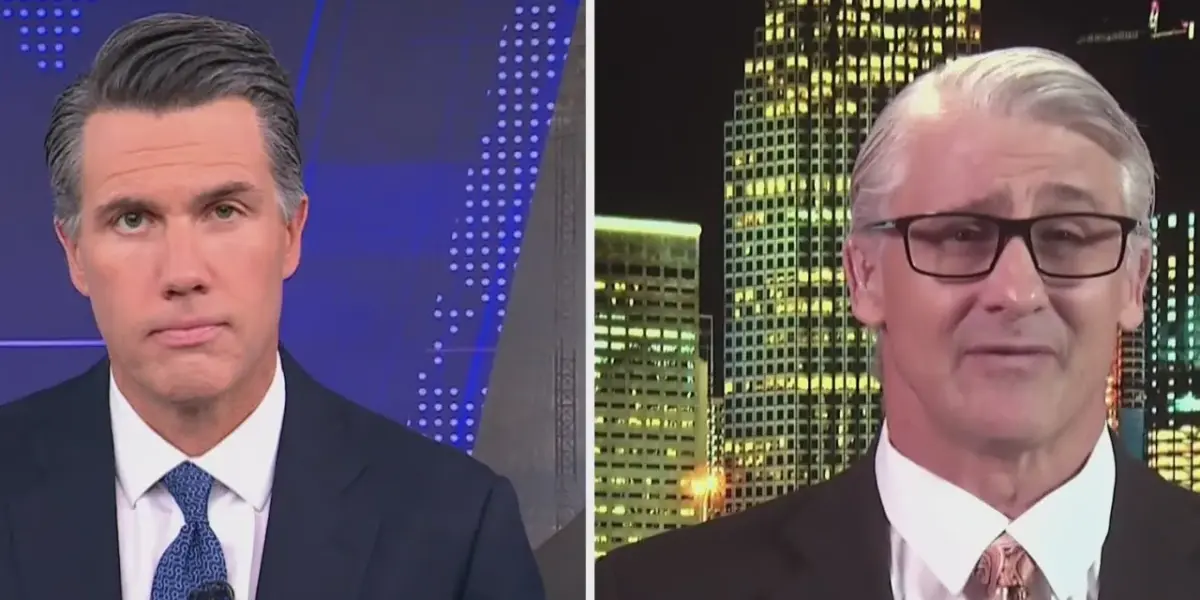
The United States is pursuing a dual strategy towards Iran, combining diplomatic overtures with military pressure. This approach, described as “Trump style,” involves keeping channels open for negotiation while simultaneously signaling a readiness for forceful action. This complex policy aims to achieve specific U.S. objectives without fully committing to either a peaceful resolution or an all-out conflict.
Dual Strategy: The Hand of Diplomacy, The Fist of Force
President Trump’s administration is employing a tactic where one hand is extended for a potential deal, while the other is clenched, ready to strike. This is often referred to as “gunboat diplomacy,” a method previously seen in situations involving Venezuela and Iran. The core idea is to present Iran with an opportunity to negotiate, but with the clear understanding that failure to meet U.S. demands could lead to military escalation. This creates a tense environment where negotiation and threat exist side-by-side.
Iran’s Position: Seeking an Off-Ramp?
There are indications that Iran may be seeking a way to de-escalate tensions. However, the U.S. administration has not pointed to specific evidence of these discussions. Instead, the information comes from third parties, including countries like Turkey, Pakistan, and Egypt. Iran has a history of portraying itself as a victim to gain concessions, making it difficult to gauge the sincerity of any reported desire for an “off-ramp.” The U.S. faces the challenge of distinguishing genuine diplomatic signals from tactics designed to extract benefits.
Internal U.S. Administration Dynamics
Within the U.S. administration, there appear to be differing views on how to handle Iran. Some factions favor pursuing diplomatic solutions, while others advocate for increasing military pressure. The current policy seems to be an attempt to satisfy both perspectives simultaneously. This is seen as characteristic of President Trump’s approach, which often involves maintaining ambiguity about the ultimate course of action.
Military Actions and Public Perception
Recent military actions have been framed by the administration as successful “military operations” rather than “war.” This wording is intended to avoid the need for formal approval and to present the actions in a more palatable light. Despite reported battlefield successes, the administration faces a public relations challenge. While the military may be achieving its objectives, the American public is concerned about rising gas prices, inflation, and interest rates. These economic factors are creating political headwinds, even as military operations are deemed successful.
The Role of Allies and Domestic Politics
The strong support for Israel within the U.S. is a key factor. While some influential voices in conservative media have criticized the administration’s stance, public support for Israel remains significant. The White House is also sensitive to perceptions that President Trump might be manipulated into conflict. Concerns have been raised, particularly following the resignation of a counter-terrorism official, that the President could be “swindled” or “fooled” into military action, a narrative the White House strongly rejects.
Strategic Ambiguity vs. Madness
President Trump’s approach is characterized by what his supporters call “strategic ambiguity.” This means keeping options open and maintaining uncertainty about future actions. Critics, however, view this as erratic or “madness.” The history of Trump’s foreign policy often involves simultaneous calls for negotiation and the buildup of military forces. Currently, significant U.S. military assets, including the 82nd Airborne Division, are deployed in the region, increasing the potential for rapid military action if the President decides to “push the button.” This buildup also provides the President with the ability to claim he attempted negotiation before resorting to force.
Global Impact
This dual strategy of diplomacy and military readiness creates significant uncertainty in the Middle East. It keeps regional actors, including Iran and its allies, on edge. The potential for military conflict carries implications for global energy markets and international stability. The U.S. approach also influences how allies perceive American commitment and reliability. The careful balancing act between de-escalation and deterrence aims to prevent a full-blown war while still asserting U.S. interests. However, the risk of miscalculation or unintended escalation remains a constant concern in this volatile geopolitical environment.
Source: Trump planning both peace and muscle against Iran: Caputo | On Balance (YouTube)

Related Articles

G7 Allies Clash Over Iran War Strategy, Urge Focus on Russia
G7 foreign ministers met in Paris, revealing deep divisions over the U.S. war with Iran. European allies urged the U.S. to pressure Russia, linking its actions to the conflict and fearing support for Ukraine will wane.

Iran Blocks China Ships, Exposing Beijing’s Weak Grip
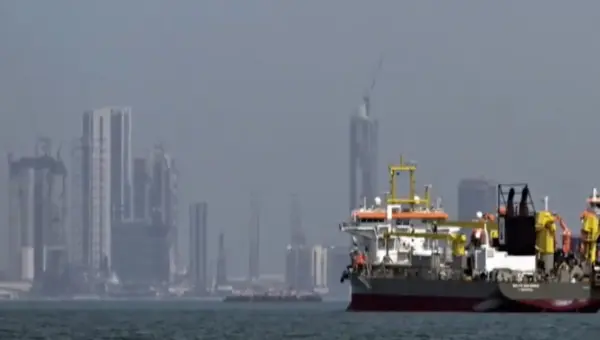
Iran's recent decision to block Chinese ships at the Strait of Hormuz is exposing the limits of Beijing's influence in the Middle East. This action is causing delays and cancellations for Chinese manufacturers, turning a perceived geopolitical win into an economic strain.
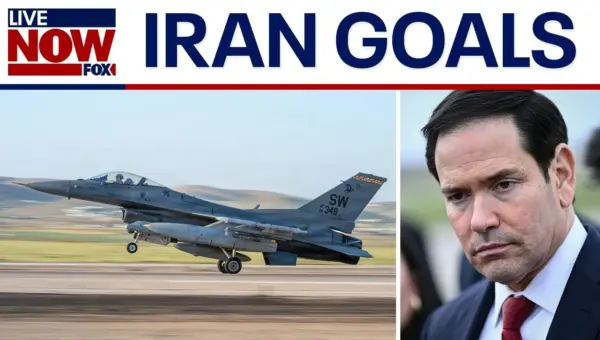
Rubio: US Can Achieve Iran War Goals Without Troops
Senator Marco Rubio outlined a strategy to counter Iran without deploying U.S. ground troops, focusing on weakening the regime and enhancing maritime security. He also criticized Cuba's economic system and expressed concerns about West Bank violence.