Trump Blasts Iran, Markets Brace for Oil Shockwaves
President Trump's strong rhetoric on Iran, threatening to "blast Iran into oblivion" over the Strait of Hormuz, has ignited market concerns, particularly for oil prices. Analysts are dissecting the geopolitical shifts and potential global economic impacts.

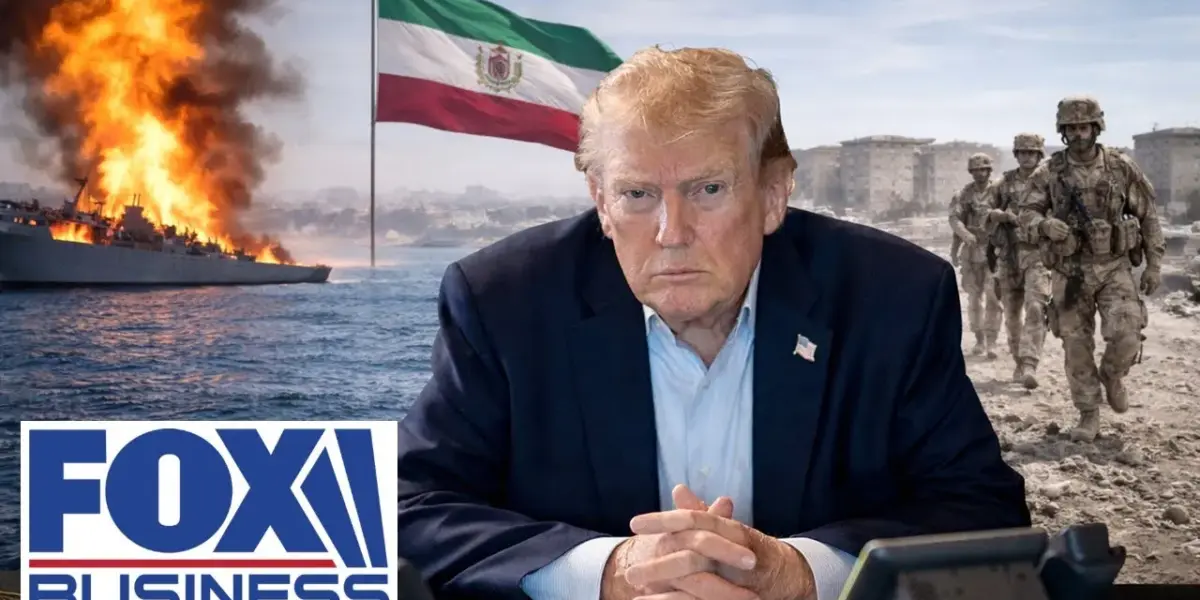
Trump Signals Aggressive Stance on Iran, Sparking Market Jitters
President Trump has signaled a potentially aggressive new strategy toward Iran, stating the nation will be “blasted into oblivion” if it continues to control the Strait of Hormuz. This strong rhetoric, delivered via social media and amplified by White House statements, has sent ripples through global markets, particularly concerning oil prices and international stability.
Key Developments and Diplomatic Maneuvers
The White House announced an important update on Iran was expected from the President. Trump himself posted on Truth Social, noting that Iran’s new regime president is “much less radicalized” and has requested a cease-fire. However, Trump added a critical condition: “We will consider it when the Hormuz Strait is open. Until then, we are blasting Iran into oblivion.” This statement suggests a potential shift in U.S. policy, linking any potential deal or de-escalation to Iran’s actions regarding the crucial waterway.
The Strait of Hormuz is a vital chokepoint for global oil shipments. While the U.S. itself does not rely heavily on this route for its energy needs, many other nations do. The administration indicated that the decision on how to respond to Iran’s actions would fall to the countries directly affected. The implication is that if Iran illegally controls the strait, perhaps by imposing tolls, the international community should take the lead in addressing the issue.
Global Interdependence and Investor Concerns
During a discussion on “The Big Money Show,” analysts noted that this is a global problem requiring a global solution. They urged investors worldwide to consider the potential outcomes if the President’s strategy proves effective. The slowness of Europe’s response was contrasted with the urgency of opening the Strait of Hormuz, highlighting differing national priorities and economic dependencies.
“This is a world problem that needs to be solved by the world.”
A notable recent development is India importing its first Iranian oil in seven years, following a relaxation of sanctions on Iranian oil for its refineries. This move could offer insight into how the situation might be resolved from a commodity standpoint. Some speculate that it might be more cost-effective to negotiate with Iran, perhaps by allowing them to charge tolls for passage through the Strait of Hormuz, in exchange for lifting sanctions. The hope would be that revenue generated would lead to reforms within Iran’s regime.
Shifting Geopolitical Landscape
Analysts pointed out a significant shift in global politics, noting that the world’s attention had been largely focused on China. Trump’s assertive stance on Iran, however, redirects this focus. The commentary suggested that if Iran’s military capabilities, such as missile stockpiles and drones, are effectively neutralized, it could open doors for de-escalation.
The geopolitical implications are vast. The idea that nations might align with the U.S. to counter Iran, even after military actions, represents a dramatic change. This suggests a potential realignment of international alliances and a new world order, which some believe could be advantageous for the U.S. regardless of how the immediate crisis is resolved.
Market Impact and Investor Considerations
Market Impact: The immediate market concern centers on oil prices. Any disruption or perceived threat to the Strait of Hormuz can lead to price spikes. Investors are watching closely to see if the situation escalates, impacting global energy supplies and potentially leading to broader economic instability. The volatility in oil and bond markets is a key indicator of investor sentiment.
What Investors Should Know:
- Oil Price Volatility: Expect continued fluctuations in oil prices as the situation develops. Any escalation could lead to significant price increases.
- Geopolitical Risk Premium: Markets often price in a “risk premium” during periods of geopolitical tension. This can affect not only energy but also other asset classes.
- Long-Term Implications: A successful resolution that stabilizes the Strait of Hormuz and potentially leads to a new regime in Iran could have positive long-term effects on global trade and energy security. However, the path to resolution may be turbulent.
- Small Business Impact: The transcript highlighted how unexpected increases in gas prices can severely impact small businesses. Consumers and business owners should monitor energy costs closely.
The Bigger Picture: Nuclear Concerns and Economic Realities
Beyond oil prices, the core issue driving the U.S. stance is Iran’s pursuit of nuclear weapons. The stated goal is to prevent Iran from acquiring nuclear capabilities that could threaten the United States. This long-term strategic objective appears to be guiding the President’s actions, even if it causes short-term economic pain, such as higher gas prices.
The discussion touched upon the strategic petroleum reserve release of 400 million barrels in April, indicating a proactive measure to manage oil supply. While political considerations, especially with upcoming mid-term elections, are always present, the emphasis from some commentators was on the President’s commitment to a larger, long-term goal, prioritizing strategic objectives over immediate political fallout.
The situation underscores a fundamental tension between short-term economic pressures, like gas prices affecting consumers and small businesses, and long-term national security interests, such as preventing nuclear proliferation. Investors must weigh these competing factors when assessing the market’s trajectory.
Source: 'BLASTING IRAN INTO OBLIVION': Trump SHOCKS markets with rapid Iran plan (YouTube)

Related Articles
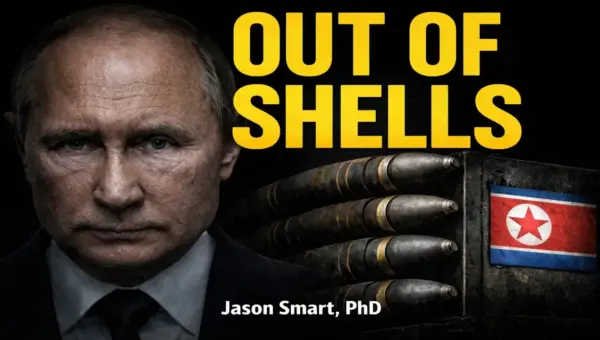
North Korea Sells Arms, Labor to Russia
Russia's reliance on North Korea for artillery shells and labor highlights Moscow's weakening military and economic position. Meanwhile, China leverages Russia's dependence for strategic gain, demonstrating a significant shift in regional power dynamics.
Iran Downs US F-15; One Pilot Rescued, Second Missing
A U.S. F-15 fighter jet has been shot down over Iran, with one pilot rescued and a search underway for the second. Iran is leveraging the incident for propaganda purposes, while the U.S. prioritizes the rescue mission.

Kremlin Media Warns of Ukraine’s Long-Range Strikes
Russian state television is amplifying warnings about Ukraine's potential to strike deep into Russian territory with newly supplied long-range weapons. Prominent figures voice concerns over targeting key Russian sites, while historical narratives are selectively used to criticize European nations, particularly Germany. The media aims to foster domestic unity by framing dissent as treason and emphasizing perceived external threats from NATO.