Trump Blasts Allies in Oval Office, Allies Seek Iran, Ukraine Support
President Donald Trump publicly criticized Spain and the UK during a meeting with German Chancellor Angela Merkel, while Merkel sought progress on Iran, Ukraine, and trade. The encounter highlighted unresolved tensions on defense spending and tariffs, leaving key issues uncertain.

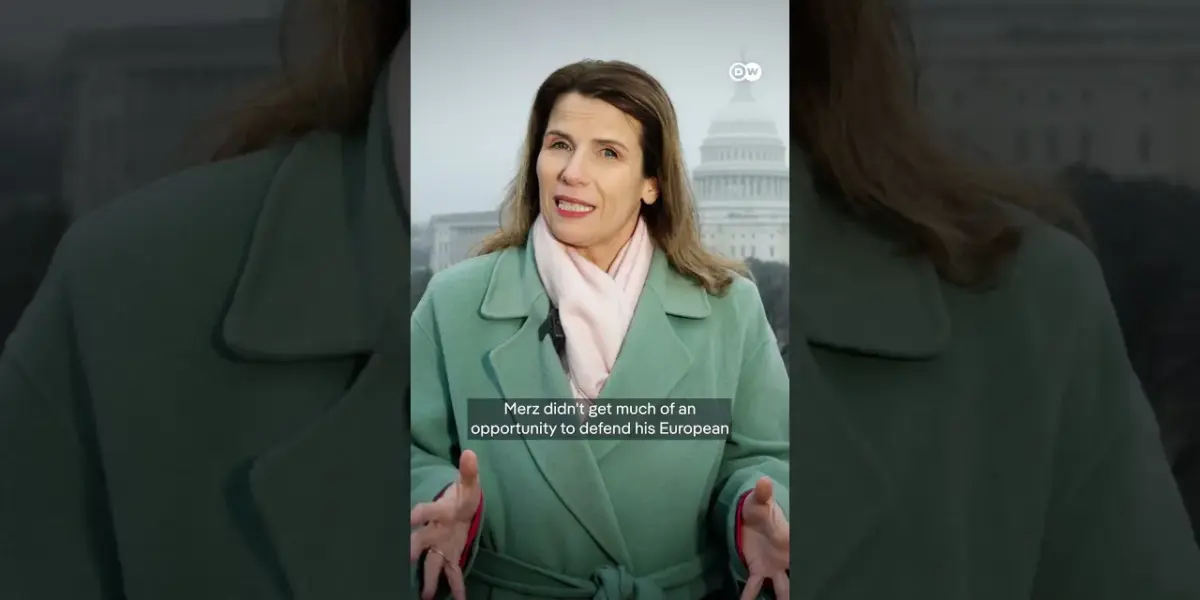
Trump Lashes Out at European Allies in Oval Office Meeting
In a dramatic display of political theater during a meeting with German Chancellor Angela Merkel in the Oval Office, U.S. President Donald Trump launched sharp criticisms against key European allies, Spain and the United Kingdom. The encounter, which provided an early opportunity for journalists to question the President on pressing foreign policy issues, particularly the escalating tensions with Iran, quickly devolved into a public rebuke of NATO partners.
Trump singled out Spain for its refusal to meet NATO’s defense spending target of 3.5% of GDP. He further expressed dissatisfaction with the United Kingdom, criticizing Prime Minister Theresa May for her hesitation in granting the U.S. access to British air bases. This public admonishment occurred as Chancellor Merkel sought to discuss critical issues like the ongoing situation in Ukraine and trade relations with the U.S.
“Some of the European like Spain has been terrible. In fact, I told uh Scott to cut off all dealings with Spain. I’m not happy with the UK either. We are very surprised. This is not Winston Churchill that we’re dealing with.”
– Donald Trump
Merkel Defends European Stance Amidst Trump’s Criticism
Chancellor Merkel, attempting to steer the conversation towards shared security concerns and diplomatic solutions, found limited space to articulate Europe’s position. When pressed on the defense spending issue, Merkel acknowledged the target but highlighted Spain’s reluctance to commit, emphasizing the ongoing efforts to persuade them to meet the agreed-upon NATO benchmarks as part of collective security.
“The answer on that is quite simple. We are trying to convince Spain to catch up with the 3% at or 3.5% uh um which we agree on in NATO and uh as the president said it’s it’s correct. Spain is the only one who is not willing to accept that and we are trying to convince them that this is a part of our common security,” Merkel stated, attempting to provide a measured response to Trump’s aggressive rhetoric.
Unresolved Issues: Tariffs and Ukraine Dominat
The core objectives of Chancellor Merkel’s visit, which included seeking progress on the stalled tariff agreement between the EU and the U.S. and discussing the critical situation in Ukraine, were largely overshadowed by Trump’s pronouncements. The existing tariff agreement, which has yet to be fully implemented, remains a point of contention, with Trump indicating a desire for more stringent terms.
“I think it should hit them very, very hard. Every single country wants to make the deal they already have. In other words, a deal that we have using the other authority, they want to make the same deal,” President Trump remarked, suggesting a potentially tougher stance on trade negotiations.
When questioned about potential commitments on tariffs related to Ukraine, the President offered no concrete assurances. The meeting concluded with significant questions remaining unanswered regarding the future of EU-U.S. trade relations and the path forward for de-escalating the conflict in Ukraine.
Assessing the Outcomes: Cautious Optimism and Lingering Doubts
Despite the adversarial tone, Chancellor Merkel expressed a nuanced takeaway from the meeting, suggesting that the U.S. administration now possesses a clearer understanding of the stakes involved in Ukraine. She conveyed an impression that the President is more attuned to the precarious situation facing the country, which has already made significant territorial concessions.
“I’m leaving DC with my uh deep impression that the U.S. administration clearly knows what is at stake in uh Ukraine and that this country cannot only uh do more concessions on territory as they already did and this is only the part which is militarily occupied by Russia. And my impression is that the president is now more understanding what is at stake for this country and this is a very firm position of the Europeans,” Merkel reported. However, she cautioned that both the tariff issue and the future developments concerning Ukraine remain unresolved, indicating that concrete steps forward were not secured during the high-stakes meeting.
Looking Ahead: Trade, Defense, and Diplomacy
The encounter between President Trump and Chancellor Merkel underscores the persistent challenges in transatlantic relations. While Merkel departs with a sense that the U.S. may have a growing appreciation for Europe’s position on Ukraine, the fundamental disagreements on trade tariffs and defense spending remain significant hurdles. The coming weeks will likely reveal whether these diplomatic exchanges translate into tangible policy shifts or if the public criticisms signal a deepening rift between the United States and its traditional European allies.
Source: Merz meets Trump in Oval Office | DW News (YouTube)

Related Articles
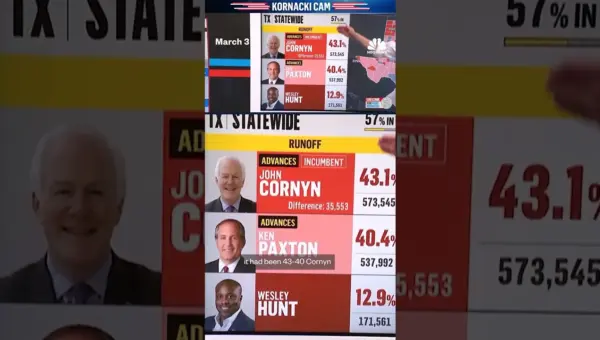
Texas GOP Senate Race: Runoff Looms, Trump’s Endorsement Hangs in Balance
The Texas GOP Senate primary is headed for a runoff election, with key candidates vying for Donald Trump's crucial endorsement. Early voting results show Attorney General Ken Paxton leading, but Senator John Cornyn is expected to advance. The race's dynamics will heavily influence Trump's decision on who to back.
Russia Warns of WWIII as US Prepares Iran Strikes
Russia has issued a stark warning of potential World War III amid escalating U.S.-Iran tensions. Meanwhile, the United States is reportedly preparing for a significant escalation of strikes against Iran, aiming to degrade its military capabilities. Diplomatic efforts are underway as regional powers seek de-escalation.
Newsom: Trump’s Epstein Files Hold Damning Secrets
California Governor Gavin Newsom alleges that Donald Trump is actively suppressing damaging information within the unreleased Epstein files. Newsom criticizes political maneuvering around the scandal and raises concerns about Trump's foreign policy and election integrity efforts.