Trump Blames Dems Amidst Airport Chaos He Fueled
Donald Trump is now blaming Democrats for the airport chaos and long TSA lines, a stark contrast to his earlier stance. The shutdown, fueled by his refusal to accept a deal unless his specific demands were met, has left TSA workers unpaid and travelers facing hours-long waits.

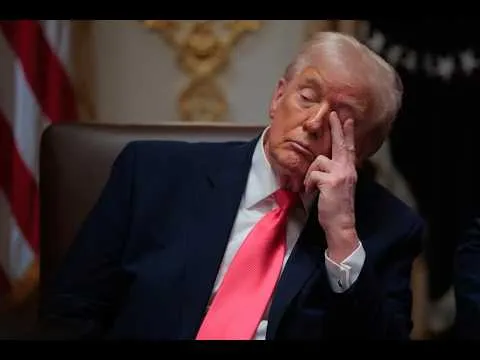
Trump’s Shifting Blame Game Over Airport Delays
In a dramatic shift, Donald Trump has pointed fingers at Democrats for the chaos and long lines plaguing airports across the nation. He posted on Truth Social, claiming Democrats are intentionally making the country suffer and want it to fail. Trump stated they broke a previously agreed-upon bill to help criminals entering the country illegally instead of American citizens. He even suggested calling up the National Guard for more assistance.
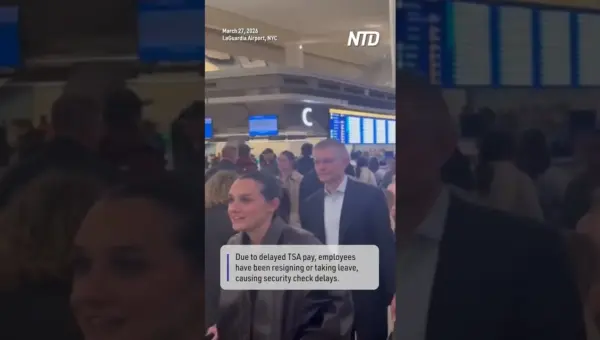
This announcement comes as TSA agents, who are not being paid due to a government shutdown, are calling out of work. This has led to massive delays, with wait times stretching to three, four, or even five hours at some airports. It’s a stark contrast to just days before, when Trump seemed open to a deal to fund all but essential enforcement operations for ICE and ensure TSA agents were paid.
A History of Hesitation on Deals
Trump had repeatedly expressed hesitation about any deal that didn’t include his specific demands. He urged Republicans not to settle for less, pushing for what he called the “Save America Act,” which includes voter ID and proof of citizenship requirements. He even took credit for the idea of using ICE to help at airports, comparing it to the simple yet effective design of a paperclip.
His insistence on these demands led him to reject a deal that could have resolved the shutdown and ensured TSA workers received their paychecks. According to reports, Senator Ted Cruz and Senator Bill Cassidy proposed a plan to accept the Democratic offer to fund everything except ICE, while simultaneously using a separate process to address ICE funding. This plan was presented to Trump, but he refused to agree to any deal with Democrats.
“No, no deals with the Democrats.”
This refusal meant that Republican senators were urged to stay in Washington and continue the fight over funding for the Department of Homeland Security. Some Republicans felt threatened by Trump’s warning that he would publicly criticize them if they left town for the upcoming recess, even offering to host them for Easter dinner.
The Reality on the Ground
The impact of the shutdown is acutely felt by TSA workers. Many are struggling to make ends meet without a paycheck, leading them to call out of work and take on other jobs. This has directly contributed to the extremely long lines travelers are experiencing.
One TSA agent described the emotional toll of seeing ICE agents at the airport, knowing that the agency’s funding issues are the reason they are not being paid. The agent felt it was a “smack in the face” to see ICE officers, who are being paid, standing around while TSA workers are struggling.
The union representing TSA workers has stated that placing untrained ICE personnel at security checkpoints does not solve the problem but creates new ones. The current situation has led to travelers facing wait times of several hours, causing significant frustration and disruption.
Why This Matters
This situation highlights a critical issue in political strategy: the use of public hardship as a bargaining chip. Trump’s actions suggest a willingness to allow the disruption and pain caused by the government shutdown to continue as a means to pressure opponents and advance his political agenda. His shifting blame, from initially accepting the possibility of a deal to now solely blaming Democrats, appears to be an attempt to deflect responsibility for the prolonged shutdown and its consequences.
The core of the conflict lies in differing priorities. While Democrats offered to pay TSA officers and fund most of Homeland Security, they drew a line at funding ICE and Border Patrol, seeking different solutions for those areas. Republicans, influenced by Trump’s directive, rejected this partial solution, holding out for a broader agreement that included their specific demands, such as the “Save America Act.”
Future Outlook and Trends
The events surrounding the airport delays offer a glimpse into a broader trend of political polarization and the weaponization of government functions. The willingness to prolong a shutdown, impacting essential workers and the public, suggests a deepening divide where compromise is seen as weakness.
Moving forward, this incident may influence how future negotiations are conducted. It raises questions about the ethical implications of creating public inconvenience to achieve political goals. The narrative that “pain is a feature, not a bug” suggests a strategic approach where suffering is an intended outcome to force concessions, a tactic that risks eroding public trust and creating further division.
The long-term consequences could include a more combative political environment, where shutdowns and crises become more frequent tools. It also underscores the importance of clear communication and consistent messaging from political leaders, as well as the public’s ability to discern the true reasons behind policy impasses. The focus on personal political gain over public service remains a central concern in understanding these dynamics.
Source: Trump PANICS with desperate announcement (YouTube)

Related Articles
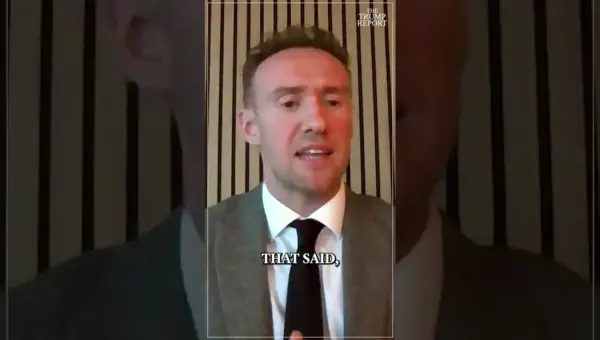
Trump’s Iran Claims: Shocked or Deluded by War Games?
Donald Trump claimed surprise over Iran's actions in the Strait of Hormuz, but experts suggest retaliation was inevitable. Military war games likely predicted such a scenario, raising questions about the advice given to the President.
TSA Staff Cuts Create Airport Chaos for Travelers
Recent TSA agent shortages, fueled by a government shutdown and delayed pay, have caused significant delays and long security lines at major airports. This situation highlights the critical role of TSA staff and the impact of funding issues on essential services.

Trump Halts Iran Strikes Amid Stalled Diplomacy
President Trump announced a pause on planned strikes against Iran, citing productive talks, though Iran denies negotiations occurred. Reports also suggest a potential U.S. ground operation on Iran's Hark Island. The situation raises concerns about international support for Ukraine and potential shifts in U.S. foreign policy.