Trump Blames Aide as Middle East Conflict Escalates
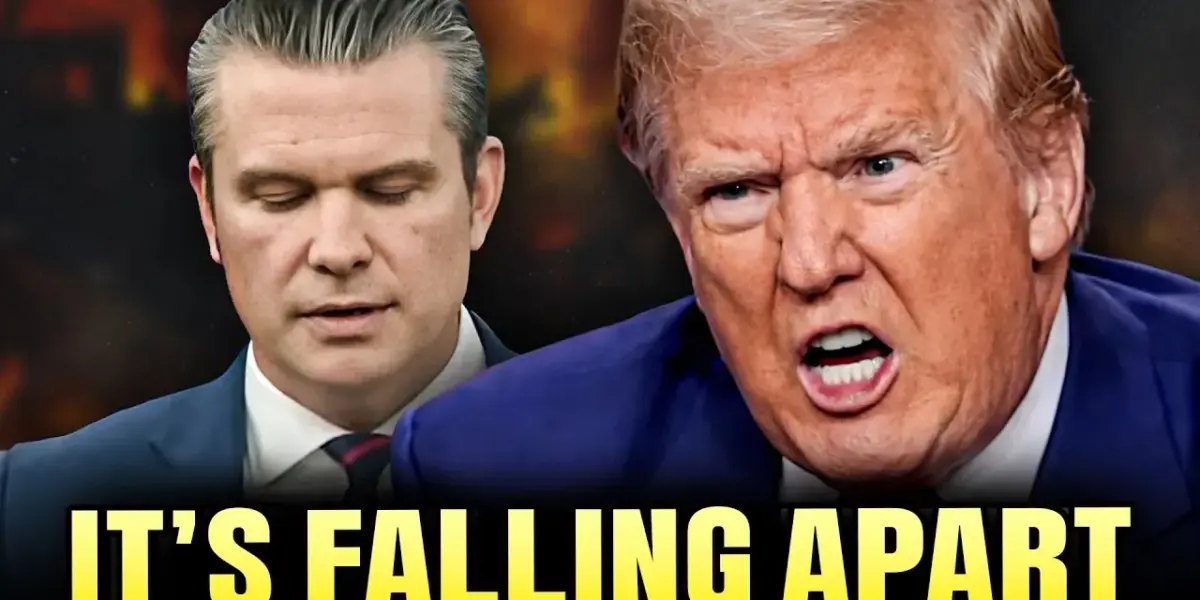
Donald Trump appears to be blaming advisor Pete Hegseth for the decision to attack Iran, as financial markets decline. The transcript highlights Trump's repeated use of the number '47' and suggests Hegseth is being set up as a scapegoat for negative outcomes.

Trump Shifts Blame Amidst Middle East Tensions
Former President Donald Trump recently pointed fingers at one of his own advisors, Pete Hegseth, for the decision to attack Iran. This move comes as financial markets reacted negatively to the increased tensions. The stock market reportedly fell while oil prices rose following the initial strikes. Trump, speaking at an event with Pam Bondi, suggested that these economic downturns were a direct result of Hegseth’s recommendation to engage militarily.
Trump stated, “Our economy was fantastic. We had a Dow at 50,000.” He then described a conversation where he consulted with advisors, including Hegseth, about the situation in the Middle East. Iran, he noted, has been a long-standing source of terror and is nearing a nuclear weapon capability. Trump presented the choice as either continuing economic growth or addressing the problem in the Middle East by “eliminating a big problem.” According to Trump, Hegseth was among the first to advocate for military action, saying, “Let’s do it because you can’t let them have a nuclear weapon.”
Questioning the Narrative
The transcript highlights a particular detail: Trump’s repeated use of the number “47.” He mentioned Iran’s “47 years” of terror, a number that also signifies his potential presidential term as the 47th president. This repetition has led to speculation about cognitive issues. The author of the transcript suggests that Trump’s fixation on this number, even when factually inaccurate regarding Iran’s history, could be a sign of serious cognitive impairment. The Iranian regime’s influence, the transcript points out, did not start precisely 47 years ago.
Trump’s account frames the decision to act against Iran as a choice presented to his team. He implies he merely posed the question about military action, and Hegseth was the one who pushed for it. This narrative effectively positions Hegseth as the driving force behind the intervention. Trump’s words suggest a willingness to accept Hegseth’s lead, saying, “I guess I’m beholden to Pete Hegseth.” This framing allows Trump to distance himself from the negative consequences.
Hegseth as the Scapegoat
The analysis suggests that Hegseth is being set up as a fall guy, regardless of Trump’s past support for his hawkish stance on Iran. As the military and economic outcomes of the conflict become challenging, Trump appears to be shifting all blame onto Hegseth. The transcript states, “Pete Hegseth is already becoming the fall guy.” It predicts that any future problems, whether military setbacks or failed diplomatic efforts, will be attributed to Hegseth’s initial recommendation. Trump’s strategy seems to be to make everything that goes wrong “Pete’s fault.”
The author believes Trump has found his scapegoat in Hegseth. The implication is that Hegseth might even need to prepare for job loss, as Trump’s political maneuvering appears to be setting him up for failure. This dynamic highlights a common political tactic: deflecting responsibility when a situation deteriorates. By making Hegseth the sole decision-maker in this instance, Trump aims to protect his own image and avoid accountability for the escalating crisis.
Why This Matters
This situation raises important questions about leadership, decision-making, and accountability, especially in foreign policy. When military actions are taken, especially those with significant economic repercussions, it is crucial to understand who is making the decisions and why. Trump’s apparent attempt to shift blame to an advisor, Pete Hegseth, suggests a potential lack of personal accountability for a major international incident.
The repeated use of the number “47” by Trump also brings attention to concerns about his cognitive fitness for office. While political figures are often scrutinized, persistent factual inaccuracies and a fixation on specific numbers can fuel public debate about a leader’s mental acuity. This is particularly relevant given the high stakes involved in national security and international relations.
Historical Context
The Middle East has been a region of complex geopolitical challenges for decades. The relationship between the United States and Iran, in particular, has been fraught with tension since the Iranian Revolution in 1979. Issues such as Iran’s nuclear program, its support for regional militant groups, and its anti-American rhetoric have been consistent points of contention. Previous administrations have employed various strategies, from sanctions to diplomatic engagement and military deterrence, to manage these challenges.
The current situation echoes past instances where presidential administrations have faced difficult decisions regarding military intervention. The consequences of such actions are often far-reaching, impacting global markets, regional stability, and international alliances. The transcript’s focus on Trump’s deflection of blame is not entirely new in politics; leaders often seek to protect themselves from criticism by attributing negative outcomes to subordinates or external factors.
Implications and Future Outlook
The implications of Trump’s strategy are significant. If Hegseth is indeed being positioned as the sole architect of the Iran conflict’s negative outcomes, it could weaken his standing and influence. For Trump, successfully deflecting blame could shield him from criticism and maintain his political capital. However, this approach can also erode trust if the public perceives it as dishonest or evasive.
Looking ahead, the situation in the Middle East remains volatile. The economic and military consequences of the recent actions will likely continue to unfold. The effectiveness of Trump’s strategy in managing public perception will be tested by these ongoing developments. Furthermore, continued scrutiny of Trump’s rhetoric and cognitive state will likely persist, especially if such patterns of speech become more frequent or pronounced.
The dynamic described also points to a broader trend in political communication, where narrative control is paramount. By framing events and assigning responsibility, political figures attempt to shape public opinion. The outcome of this particular instance will depend on how events develop and how effectively Trump can maintain his chosen narrative against the unfolding reality.
Source: Trump TURNS On Hegseth As EVERYTHING Fall Apart (YouTube)

Related Articles


Tiger Woods Arrested for DUI After Crash
Golf legend Tiger Woods was arrested for DUI in Florida following a dramatic rollover crash. Meanwhile, a government shutdown continues as House Republicans block a Senate deal, leading to airport chaos and TSA worker pay issues. The stock market also plummeted into correction territory amid fears of a prolonged Iran conflict.
Trump’s Name Everywhere: A ‘Stain’ on GOP Legacy?
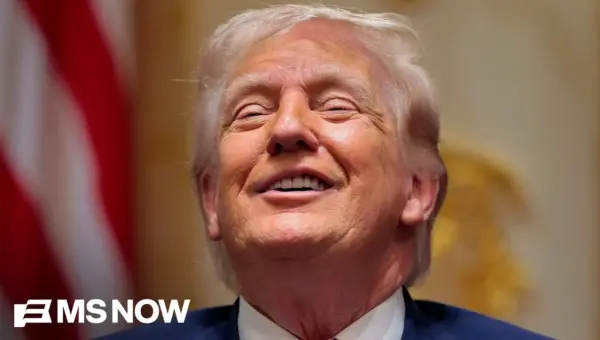
Former President Donald Trump's efforts to brand national symbols, including a proposed signature on dollar bills, spark debate. Critics view this as an authoritarian attempt to embed his legacy, potentially staining the Republican Party's history and contrasting with democratic ideals of public ownership.
Trump’s Iran War Plans Criticized Amid Border Funding Standoff
Lawmakers and analysts are criticizing the Trump administration's handling of the Iran conflict and its approach to border funding, arguing that a lack of clear planning and a focus on political battles are making the U.S. less safe. Concerns are particularly high regarding the FBI's priorities and the potential impact of these issues on national security.