Trump Backs Off Iran Strikes Amid ‘Excessively Dangerous’ Fallout
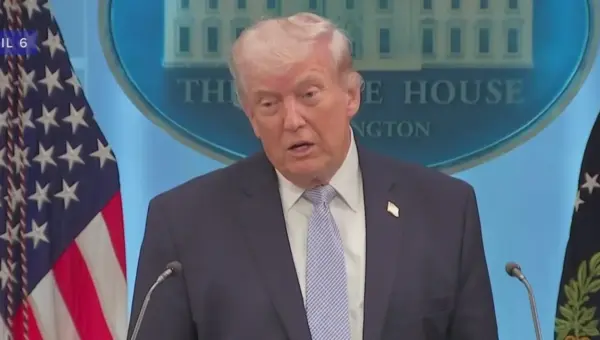
President Trump has reportedly stepped back from threats to bomb Iran's energy infrastructure, citing 'excessively dangerous' fallout. This comes as Pakistan brokers a ceasefire proposal amid escalating tensions and global economic concerns. The potential for war crimes and the significant benefits to Russia from rising oil prices are also key factors.


US President’s Threats vs. Diplomatic Maneuvers Unfold
In a significant foreign policy development, U.S. President Donald Trump appears to have stepped back from threats to bomb Iran’s energy infrastructure. This move follows a period of heightened tensions and aggressive rhetoric, with the repercussions of such an action deemed “enormously and excessively dangerous” for all involved. The situation is unfolding amidst a complex diplomatic push for an immediate ceasefire, spearheaded by a proposal from Pakistan.
Escalating Rhetoric and a Peace Proposal
The U.S. and Iran have been presented with a proposal for an immediate ceasefire, a development that follows a sharp escalation in President Trump’s public statements. Earlier, Trump had threatened strikes on civilian infrastructure, including power plants and bridges, if Iran did not reopen the Strait of Hormuz by a specific deadline. This ultimatum, considered by some to have crossed even his own usual standards of rhetoric, has now been juxtaposed with a potential diplomatic breakthrough.
Confusion and Anger Amidst Diplomatic Efforts
Michael Evans, former defense editor for The Times, described the situation as reflecting a familiar confusion that has persisted for weeks. Evans suggested that President Trump’s anger might stem from the successful rescue of American airmen, fearing that any failure in that operation could have been exploited by Iran. He noted that while Trump’s anger is understandable for a commander-in-chief, it is not necessarily a wise approach, especially when a peace proposal is on the table.
“I think President Trump is angry. I think after the extraordinary um rescue of the airmen, American airmen yesterday, which was a spectacular operation, uh I think he just felt, you know, if that had gone wrong, uh the Iranians would have exploited it. And I think he is becoming increasingly angry, which for the commander-in-chief uh of any country, but especially America, that I think is not particularly wise.”
Despite the possibility of a ceasefire, Evans expressed skepticism about its success, pointing to the fact that neither Washington nor Tehran appears to be in a mood for concessions. The proposal, originating from Pakistan, comes at a time of significant geopolitical activity, including the reported killing of a major general in Iran’s Republican Guard, presumably by Israeli forces.
Pakistan’s Role in Ceasefire Efforts
Pakistan has emerged as a key player in the diplomatic efforts, largely due to its unique relationship with both the U.S. and Iran. Evans highlighted that the head of Pakistan’s army, who has a good rapport with President Trump, is seen as a powerful and influential figure. This relationship makes him a suitable interlocutor between Washington and Tehran. While other countries like Qatar, Egypt, and Turkey have also been pushing for a ceasefire, Pakistan is currently taking the lead.
The Pakistani proposal reportedly includes a 45-day ceasefire, though Evans doubts it offers anything significantly new beyond that timeframe. The core issues, stemming from Trump’s earlier 15-point proposal, include Iran ceasing uranium enrichment, handing over existing enriched uranium, and reopening the Strait of Hormuz. Iran has shown no interest in these demands, particularly regarding control over the Strait, which it views as its primary leverage.
The Dangers of Striking Civilian Infrastructure
Striking civilian infrastructure, such as power plants, is seen as a disastrously escalatory move. Evans questioned the logic behind such threats, suggesting it runs counter to the stated goal of helping the Iranian people. Destroying their power structures would lead to widespread blackouts and suffering, making little strategic sense.
The act of issuing ultimatums and then stepping back can be perceived as a sign of weakness, a tactic Trump has reportedly employed before. Meanwhile, Iran has itself been targeting energy and desalination plants in Gulf states, a move that could escalate into a new and dangerous phase if both sides focus on energy infrastructure. Such actions would have catastrophic consequences for ordinary civilians.
Global Economic Repercussions and Putin’s Gains
The closure of the Strait of Hormuz has driven up global oil prices, causing economic disruption worldwide. However, this price increase has significantly benefited Russia, with President Putin’s war chest growing due to higher oil revenues. Despite sanctions, Russia is reportedly selling oil at much higher prices, potentially earning billions of dollars extra. This increased revenue can be used to fund military activities, including the production of missiles and drones for use in Ukraine.
Furthermore, the international focus on the Iran crisis has diverted attention from Ukraine, potentially allowing Russia to press its advantage there. Other global issues, such as the situation in Gaza, are also being overlooked as the world grapples with the Iran standoff.
International Law and Potential War Crimes
Targeting civilian infrastructure in wartime is a violation of international law, specifically the Geneva Conventions. If the U.S. or Israel were to strike Iranian power infrastructure and cause civilian casualties, it could be considered a war crime. This is a risk that even President Trump appears to recognize, having previously intervened when Israel reportedly bombed Iran’s South Pars natural gas field.
Evans suggested that Trump is unlikely to approve a mass bombing of Iran’s oil and gas infrastructure due to the severe global repercussions. He believes that if the deadline passes without strikes, it would be a small victory for de-escalation.
The Threat of Drone Warfare
Should military action commence, Iran is expected to retaliate by continuing its attacks on energy and desalination plants, potentially with increased ferocity. While the U.S. and Israel have damaged Iran’s missile capabilities, drone warfare presents a significant challenge. Iran’s drones are difficult to trace and highly effective, and their use in conflict, as seen in Ukraine, suggests a growing threat that the U.S. may not be fully prepared to counter in the Middle East.
Ultimately, Evans concluded that a large-scale bombing of Iran’s energy infrastructure is improbable due to the excessively dangerous and far-reaching consequences it would entail.
Source: Trump Won’t Strike Iran’s Energy Infrastructure As Fallout Would Be ‘Excessively Dangerous’ (YouTube)

Related Articles

Europe Seeks New Defense Path as US Eyes NATO Exit
Growing U.S. frustration with NATO, particularly regarding the Iran conflict, is pushing European nations to explore independent defense options. While allies reaffirm commitments, they question the U.S. role and are considering a future with less reliance on American leadership.


Artemis II Crew Makes History, Sees Full Far Side of Moon
The Artemis II astronauts have made history by becoming the first humans to see the entire far side of the Moon. The crew is now returning to Earth after a record-breaking journey. Meanwhile, Middle East tensions are high as President Trump issued a deadline to Iran, threatening military action.


Trump Claims Iranians Crave Freedom, Even Amidst Bombing
Former President Donald Trump claims Iranians would welcome bombings and suffering in exchange for freedom. This assertion sparks debate on the ethics of foreign intervention and the true desires of populations under oppressive regimes.