Trump Aware of Pakistan’s Proposal to Delay Iran Deadline
President Trump is aware of a proposal from Pakistan seeking a two-week extension to the deadline for Iran. This comes as tensions remain high, with the U.S. military prepared for potential action. Markets have reacted with volatility, while regional leaders express anxiety over escalating conflict.

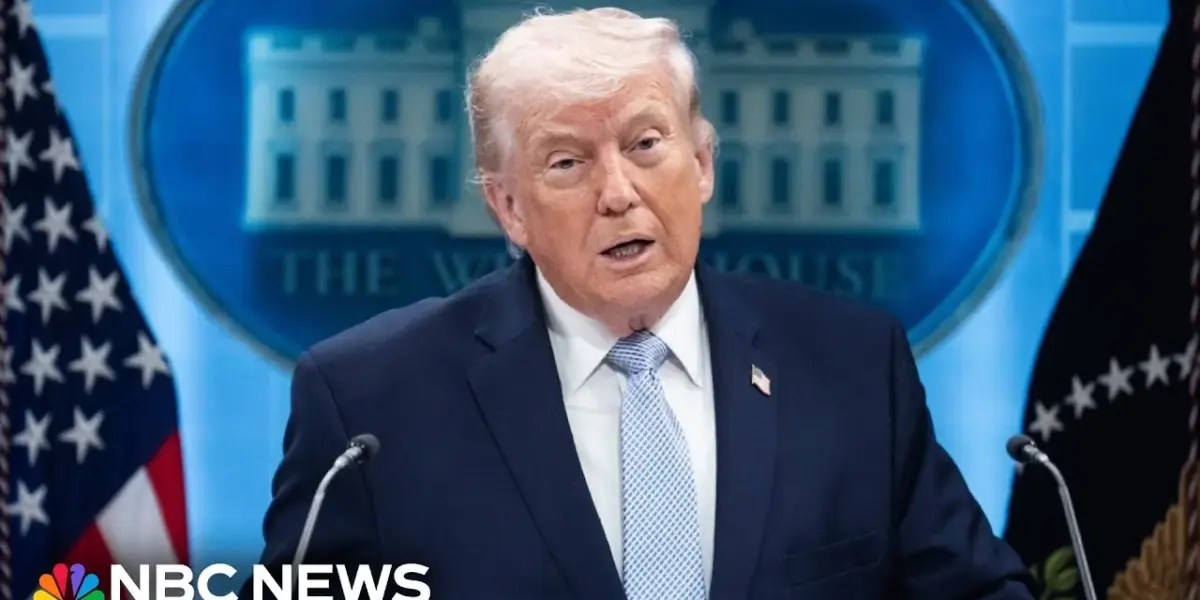
Trump Considers Pakistan’s Request to Extend Iran Deadline
As a critical deadline loomed, President Trump was made aware of a proposal from Pakistan to extend the timeframe for Iran by two weeks. This development comes amid intense international pressure and escalating rhetoric surrounding Iran’s actions and potential U.S. military responses. The White House confirmed the President has been informed of the proposal, with a response expected.
Tense Standoff: The Countdown to a Potential Conflict
The world watched with bated breath as a self-imposed deadline approached for Iran to comply with President Trump’s demands, threatening severe consequences if its demands were not met. The President had previously stated that Iran must open the Strait of Hormuz by 8 p.m. Eastern Time, warning of the potential destruction of its civilization if a deal was not reached. This stark warning followed earlier threats to decimate bridges and power plants across Iran.
The Pentagon had prepared various options for the President, including targets that served both military and civilian purposes. This aggressive stance has sparked fears among Democrats, Republicans, and global leaders alike that the situation could spiral into a wider conflict. The President himself had characterized the potential outcome as dire, stating on social media that “a whole civilization will die tonight if Iran doesn’t make a deal by his 8 p.m. deadline.”
Diplomatic Overtures Amidst Escalating Rhetoric
Vice President Vance, speaking from Hungary, adopted a more measured tone, suggesting multiple avenues existed to avoid catastrophe. He expressed hope for a positive resolution, emphasizing that negotiations were ongoing. “The President has set a deadline for about 12 hours from now, and the United States, we’re going to find out,” Vance stated. “But there’s going to be a lot of negotiation between now and then. And I’m hopeful that it gets to a good resolution.”
The Vice President also highlighted the President’s understanding of leverage, noting that while Iran could inflict pain, the United States possessed the capability to exact far greater consequences. “The President doesn’t want to do that. I don’t want to do that. That’s why we’re negotiating so aggressively,” he added. “But fundamentally, the ball is in the Iranians’ court. We feel confident that we can get a response, whether it’s positive or negative. We’re going to get a response from the Iranians by 8:00 tonight. I hope they make the right response.”
Iran’s Response and International Concerns
In response to the escalating tensions, Iran’s state media released images of civilians forming human chains around power plants and bridges, a move seemingly intended to deter potential strikes. President Trump sharply criticized these actions in a phone call, calling them “totally illegal” and stating that such measures were “not allowed.”
The President’s deadline had been extended multiple times. It initially began with a 48-hour ultimatum on social media, which was later paused for five days following what the President described as “good and productive talks.” Subsequently, the deadline was pushed back an additional ten days, then moved by one more day to the current critical point.
White House Operations and Presidential Decision-Making
Kelly O’Donnell reported from the White House that the President was in his working spaces, aware of the ticking clock. While details of his decision-making process remained opaque, his brief comments to the press revealed a critical view of the Iranian citizens’ actions ahead of the deadline. This marked a notable shift from earlier sentiments where he had anticipated Iranians protesting their own government.
Karoline Leavitt, the White House Press Secretary, confirmed the 8:00 p.m. Eastern Time deadline, which translates to 3:30 a.m. in Iran. She emphasized that “only the President knows where things stand and what he will do.” This uncertainty, O’Donnell noted, is characteristic of the President’s approach, often leaving adversaries off balance.
Debate Over Civilian Infrastructure and War Crimes
Courtney Kube addressed the serious concerns surrounding the potential targeting of Iran’s civilian infrastructure, which could violate international law and the Geneva Conventions. However, she explained that the U.S. might justify striking “dual-use” facilities—those that serve both civilian and military purposes. The Pentagon, she reported, had already drawn up plans for such targets should the President decide to proceed.
Kube also detailed the significant U.S. military buildup in the region, including the deployment of bombers carrying heavy ordnance, indicating readiness for action. She noted that recent strikes on Kharg Island, while focused on military targets like bunkers and air defense systems, were reiterated strikes on locations that may not have been fully destroyed in earlier attacks. U.S. officials remained adamant that oil infrastructure was not being targeted.
Regional Anxiety and Economic Volatility
Keir Simmons reported from Riyadh, describing a palpable sense of anxiety in the Gulf region. While Saudi Arabia had managed to defend itself effectively, other nations like Kuwait and Bahrain, closer to Iran, faced greater risks. The possibility of Iranian retaliation, even against civilian infrastructure, remained a significant concern.
Simmons also noted skepticism regarding the extent of progress Pakistan had made in negotiations, given the security concerns around electronic communication. He referenced Qatar’s spokesperson emphasizing the critical need for a resolution to prevent further costs to the region and global stability.
Market Reactions and Oil Price Fluctuations
Brian Cheung provided an economic perspective, explaining the market’s volatile reaction to the unfolding events. Wall Street experienced a dip earlier in the day but closed with slight gains as optimism grew following the news of Pakistan’s proposal. Investors were closely watching for any signs of de-escalation.
Oil prices, however, continued to rise, reflecting the ongoing uncertainty. Cheung highlighted the binary nature of market movements: an off-ramp to the conflict would likely lead to lower oil prices and higher stock markets, while a failure to de-escalate would have the opposite effect. The average price of gasoline in the U.S. had already surpassed $4 a gallon.
What to Watch Next
All eyes remain on the White House as the nation and the world await President Trump’s decision regarding the Iran deadline. The diplomatic efforts, including Pakistan’s proposal, will be closely scrutinized. The potential for military action, the response from Iran, and the subsequent impact on global markets and regional stability will be critical developments to monitor in the coming hours and days.
Source: Trump ‘aware’ of Pakistan proposal to extend deadline for Iran by two weeks (YouTube)

Related Articles
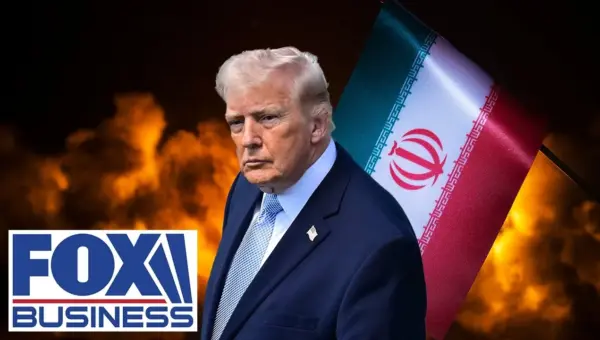
US Warns Iran: ‘Not Bluffing’ on Military Action
The U.S. is signaling a serious intent for military action against Iran if it continues to block the Strait of Hormuz. Meanwhile, the new DHS Secretary outlines a deportation plan focusing on felons and offering 'self-deportation' incentives.

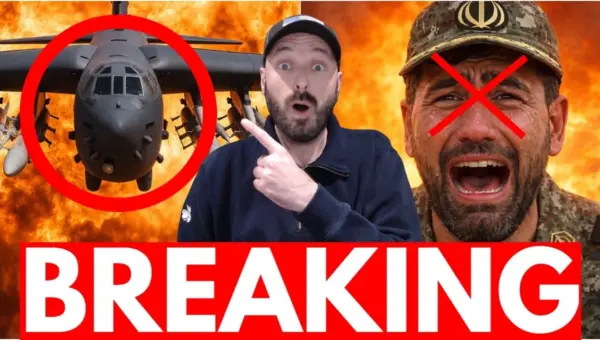
Bombers Fly: US Readies Iran Strike Amid Escalating Tensions
U.S. bombers are airborne and positioned to strike Iran as President Trump's ultimatum nears its deadline. Amidst ongoing strikes targeting bridges and infrastructure, a senior Iranian leader was reportedly killed. The situation remains tense, with diplomatic efforts potentially altering the course of events.


Iran Conflict Looms: Trump’s Ultimatum Sparks Global Concern
President Trump's ultimatum to target Iran's power plants and bridges is approaching its deadline, raising global concerns. Analyst David Hookstead discusses the potential consequences of striking civilian infrastructure, emphasizing the need for diplomacy over military action. This situation highlights the delicate balance of international relations and the importance of peaceful conflict resolution.