Trump Attends SCOTUS Hearing on Birthright Citizenship
Former President Donald Trump made a rare appearance at a Supreme Court hearing concerning birthright citizenship. His attendance highlights the personal importance he places on the issue and his potential influence on conservative judicial appointments. However, experts suggest his presence is unlikely to directly impact the court's final decision due to judicial independence.

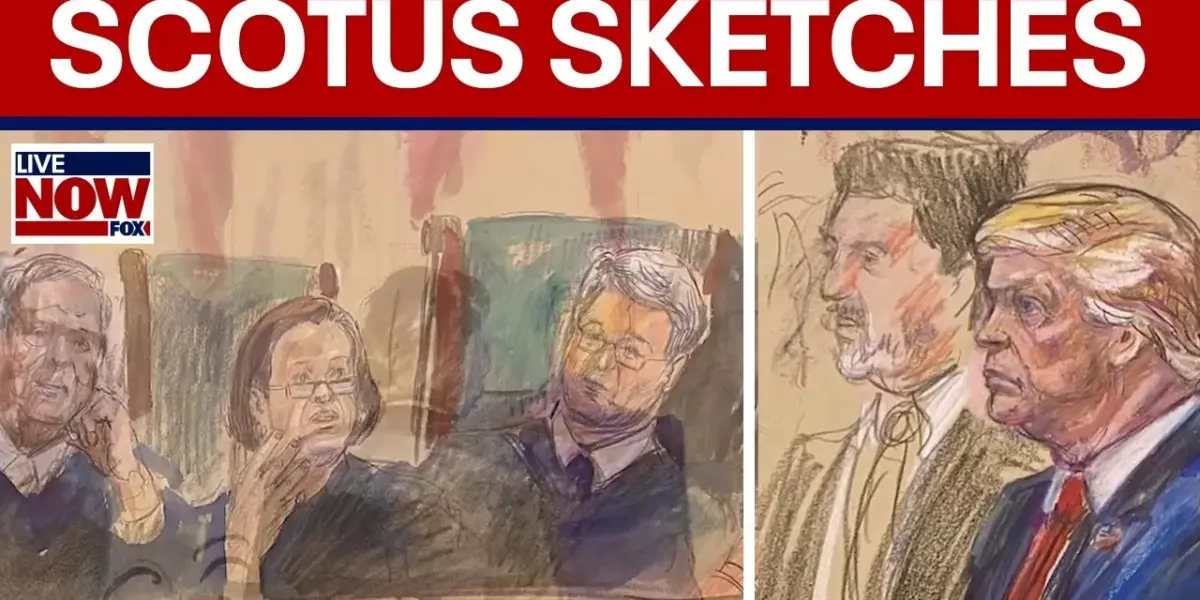
Trump Makes Rare Appearance at Supreme Court Hearing
In a move rarely seen in modern politics, former President Donald Trump attended a Supreme Court hearing yesterday. The case centered on the complex issue of birthright citizenship. Trump’s presence highlighted his strong interest in the matter, which he has previously sought to address through executive action. The hearing offered a unique glimpse into the inner workings of the nation’s highest court, with sketches capturing moments from inside the chamber where cameras are not allowed.
Birthright Citizenship: A Key Policy Issue
The Supreme Court heard arguments regarding birthright citizenship, a principle that grants citizenship to almost anyone born within the United States. This issue gained significant attention when President Trump signed an executive order on his first day in office during his second term, signaling his intent to challenge the long-standing interpretation of the 14th Amendment. The executive order aimed to alter the understanding of who automatically receives citizenship based on birth within U.S. territory.
Why Trump’s Attendance Matters
Analysts suggest that Trump’s personal appearance at the hearing underscores the importance he places on this issue for his political legacy. His attendance signals a desire to directly influence or at least observe the proceedings that could reshape immigration policy. Some believe Trump may have felt a personal connection to the case, potentially aiming to impress or pressure some of the conservative justices he appointed.
“He was actually there and he was actually going to show up to this. I think that he’s really been inflamed by some members of the Supreme Court… that have not necessarily towed the party line that have not necessarily kind of followed Donald Trump’s ideology.”
Judicial Independence vs. Presidential Influence
The discussion touched upon the nature of Supreme Court appointments. While presidents hope their chosen justices will align with their views, the judiciary is designed to be independent. The transcript mentions Dwight D. Eisenhower’s reflection on his Supreme Court appointments, suggesting that even those chosen with specific expectations can sometimes act in ways not anticipated by the appointing president. Justices serve lifetime appointments, intended to shield them from political pressure, allowing them to make decisions based on law rather than popular opinion or presidential favor.
This independence means that justices are not beholden to the president who nominated them. Unlike elected officials who face voters, Supreme Court justices operate under the principle of good behavior. This structure allows for diverse legal interpretations and can lead to decisions that differ from the expectations of any particular administration.
Limited Impact on Judicial Decisions
Despite Trump’s visible presence, experts believe his attendance is unlikely to directly sway the Supreme Court’s decision. The justices are insulated from direct political influence, unlike members of Congress who might consider the president’s opinion when voting. Supreme Court justices make their rulings based on legal arguments and constitutional interpretation, not on the presence or wishes of a former president.
The article highlights that elected officials, such as members of the House of Representatives, are often more susceptible to presidential influence due to concerns about re-election and potential primary challenges. This is not the case for Supreme Court justices, whose positions are secure for life, provided they maintain good behavior. Therefore, while Trump’s attendance was a significant event, its practical impact on the court’s final ruling is considered minimal by many observers.
Looking Ahead
The Supreme Court is expected to issue its official ruling on the birthright citizenship case in the coming months. The outcome could have far-reaching implications for immigration policy and the interpretation of the 14th Amendment. All eyes will be on the court as it deliberates and delivers its final decision, which will be closely watched by legal scholars, policymakers, and the public alike.
Source: NEW SKETCHES: Trump attends SCOTUS hearing on Birthright citizenship (YouTube)

Related Articles

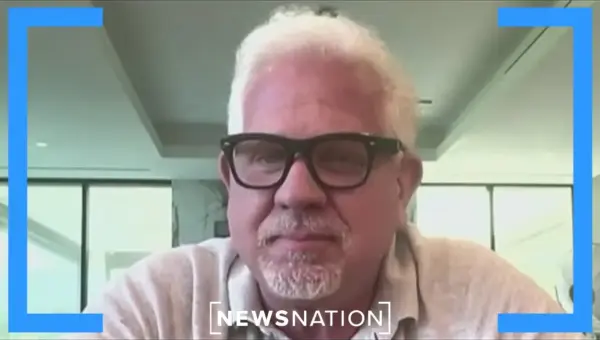
US Shifts Mideast Role, Allies Seek Regional Power
The United States is signaling a major shift away from its role as the world's policeman, encouraging allies in the Middle East and Europe to take more responsibility for their own security. This approach, championed by former President Donald Trump, aims to refocus U.S. attention on the Western Hemisphere. Regional powers like the UAE and Saudi Arabia are urging caution, while Israel remains a key ally in confronting Iran. This policy change could reshape global alliances and security dynamics.

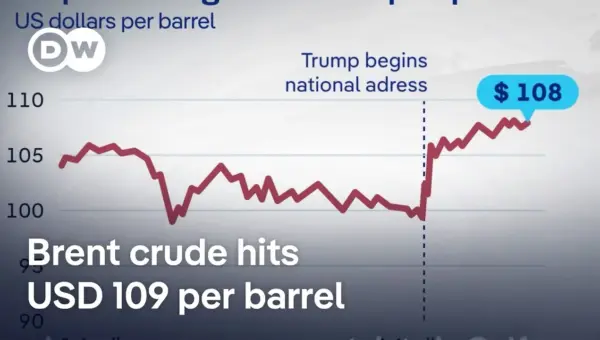
Oil Prices Skyrocket After Trump’s Speech on Iran Conflict
Oil prices surged past $108 a barrel following President Trump's speech on the Iran conflict, sending shockwaves through global energy markets. Experts warn that the disruption of the vital Strait of Hormuz shipping lane is now entering a critical phase, with significant impacts expected worldwide.


Birthright Citizenship: Is the 14th Amendment Outdated?
The 14th Amendment's guarantee of birthright citizenship is under intense debate. Panel guests discuss whether the long-standing interpretation is outdated and explore the practical challenges and historical context surrounding this core American principle.