Trump Allies Embrace “Short-Term Pain, Long-Term Gain” Slogan Amid Iran Tensions
Allies of Donald Trump are reportedly using the slogan "Short-term pain, Long-term gain" amid rising oil prices driven by tensions with Iran. This highlights the economic consequences of geopolitical conflict and the strategic rationale behind enduring immediate hardship for future benefits.

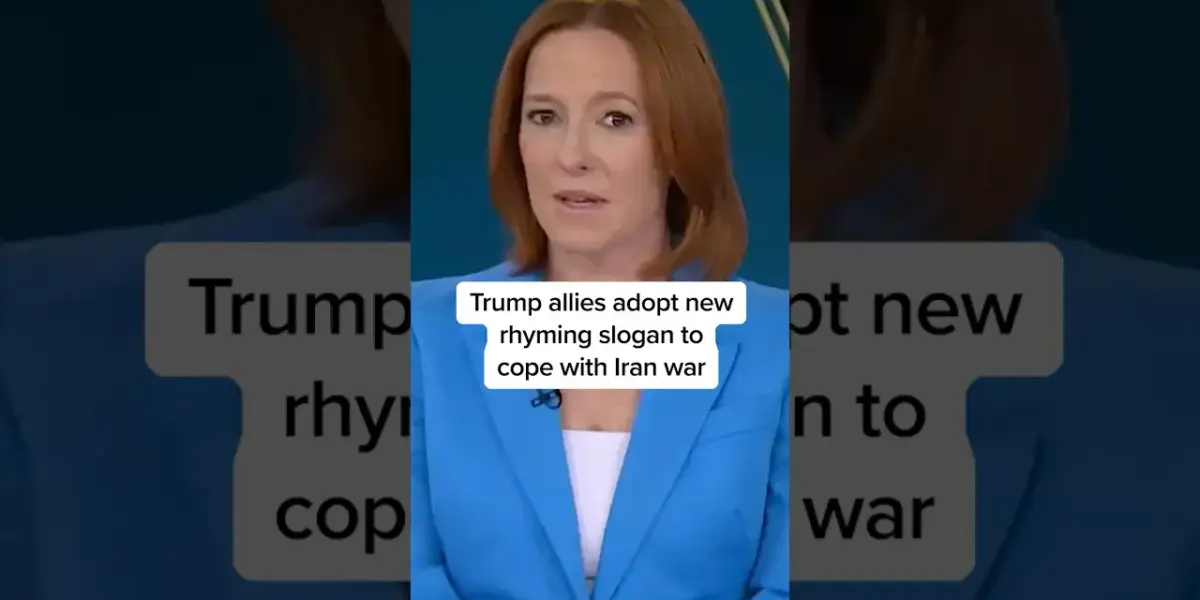
Trump’s Iran Stance Fuels Price Hikes, Allies Adopt New Slogan
Amid escalating tensions with Iran, which are driving up oil prices, allies of former President Donald Trump have reportedly adopted a new rhyming slogan: “Short-term pain, long-term gain.” This phrase appears to encapsulate the strategic thinking behind the current geopolitical and economic climate, suggesting a willingness to endure immediate economic hardship for perceived future benefits related to the Iran conflict.
Geopolitical Tensions and Oil Market Volatility
The ongoing conflict with Iran has become a significant factor in the global oil market, with prices showing a consistent upward trend. This rise in oil prices has direct implications for consumers worldwide, impacting everything from fuel costs to the price of goods and services that rely on transportation. The Trump administration’s policies and rhetoric concerning Iran have been a focal point of discussion, with many analysts pointing to these factors as primary drivers of the current market volatility.
“Donald Trump’s war in Iran pushes the price of oil higher, with every indication it will continue to climb.”
This statement from the source material highlights the direct correlation being drawn between the geopolitical situation and economic outcomes. The implication is that the “war in Iran,” whether literal or a broader term for heightened conflict and sanctions, is actively destabilizing the oil supply and, consequently, inflating prices. The expectation that prices will continue to climb suggests a prolonged period of economic pressure.
The “Short-Term Pain, Long-Term Gain” Philosophy
The adoption of the slogan “Short-term pain, long-term gain” by Trump allies suggests a strategic rationale for enduring the current economic difficulties. This philosophy often implies that sacrifices made in the present are necessary investments for a more prosperous or secure future. In the context of the Iran conflict, this could refer to a variety of potential long-term objectives, such as weakening Iran’s geopolitical influence, securing energy independence, or achieving a more favorable global standing.
However, the specific nature of the “long-term gain” remains largely undefined in the provided transcript. It could be interpreted as:
- Achieving a decisive foreign policy victory over Iran.
- Restructuring global energy markets to be less reliant on unstable regions.
- Bolstering domestic energy production and reducing dependence on foreign oil.
- Implementing a foreign policy that projects strength and deter rivals.
The “short-term pain” is readily apparent in the rising cost of oil, which impacts household budgets and business operations globally. The challenge for policymakers and the public alike is to assess whether the projected “long-term gain” is a realistic outcome and if the immediate economic sacrifices are indeed justified.
Broader Implications and Economic Impact
The connection between foreign policy decisions and economic consequences is a recurring theme in international relations. The current situation with Iran underscores this reality, demonstrating how geopolitical instability can translate directly into financial strain for individuals and economies. Rising oil prices can trigger inflation, slow economic growth, and disproportionately affect lower-income populations.
The “short-term pain, long-term gain” narrative, while potentially motivating for supporters, faces scrutiny from economists and political opponents who may question the feasibility of the promised gains or the severity of the accepted pain. The effectiveness of such a strategy often depends on clear communication, demonstrable progress towards long-term goals, and the resilience of the economy to withstand the immediate pressures.
Looking Ahead: The Future of Iran Policy and Oil Prices
As tensions with Iran continue to shape global oil markets, the effectiveness and justification of the “short-term pain, long-term gain” approach will be under intense scrutiny. All eyes will be on whether the projected long-term benefits materialize and how the immediate economic pressures are managed. The trajectory of oil prices and the broader economic health of nations will serve as key indicators in evaluating the success of this strategy in the coming months and years.
Source: Trump allies adopt new rhyming slogan to cope with Iran war (YouTube)

Related Articles

Iran Escalates Global Conflict, Threatens World Economy
Yemen's Houthi rebels have officially joined the conflict, launching ballistic missiles at Israel and escalating regional tensions. This move threatens vital shipping lanes like the Red Sea's Bab al-Mandab strait, potentially causing catastrophic economic consequences. Meanwhile, US soldiers have been injured in Iranian missile strikes, adding to the mounting human and financial costs of the escalating war.

Trump’s Iran Claims: Shocked or Deluded by War Games?
Donald Trump claimed surprise over Iran's actions in the Strait of Hormuz, but experts suggest retaliation was inevitable. Military war games likely predicted such a scenario, raising questions about the advice given to the President.

Israel’s Strategy Against Iran Revealed
Israel's strategy to counter Iran's nuclear ambitions and regional influence centers on containment, utilizing a mix of covert military actions, intelligence operations, and diplomatic pressure. Analysts highlight the growing urgency due to Iran's nuclear advancements, while also noting the persistent risk of escalation in the volatile Middle East.