Trump Alienates Allies Amidst Iran Conflict Fallout
Donald Trump's public attacks on allies like Tucker Carlson and the fallout from the Iran conflict are creating internal divisions within the Republican party. The handling of the Iran situation has been called a "catastrophe" with significant human and economic costs, while political maneuvering by figures like JD Vance draws criticism.

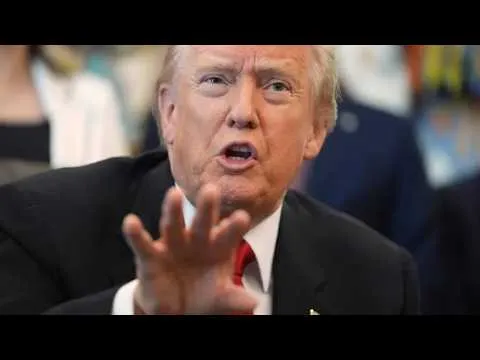
Trump’s Allies Revolt Amidst Iran Crisis
In a surprising turn of events, former President Donald Trump has publicly attacked some of his most vocal supporters, including well-known figures like Tucker Carlson, Megyn Kelly, Candace Owens, and even Alex Jones. This internal conflict comes as the nation grapples with the fallout from the recent conflict with Iran. Trump’s statements, described as incoherent and filled with personal insults, have led to speculation about a potential shift within the Republican party and the future of conservative media.
A Shift in the Conservative Landscape?
The verbal barrage from Trump, which included calling these individuals “stupid people” with “low IQs,” marks a significant departure from his usual strategy of maintaining loyalty among his base. Figures like Tucker Carlson have previously expressed strong opposition to Trump’s policies, particularly concerning the conflict with Iran. Carlson, in particular, delivered a lengthy critique of Trump’s actions and rhetoric following an Easter tweet that many found offensive. This break, however, is seen by some as more than just a temporary disagreement. It suggests a potential realignment within the conservative movement, with some commentators believing Trump is becoming a “lame duck” and that these media personalities are positioning themselves for a post-Trump era.
The Iran Conflict: A “Catastrophe”
The recent military actions involving Iran have been widely criticized, with the transcript labeling the situation a “catastrophe.” Despite threats of “genocide” and “exterminating Iran’s civilization,” Trump ultimately pursued a delay, citing a “workable basis” for negotiation found in Iran’s 10-point plan. This plan, released by Iran, reportedly includes demands such as the right to continue enriching uranium, charging tolls for ships in the Strait of Hormuz, and lifting all sanctions. The U.S. side has yet to release specifics of any agreement, leading to concerns that the conflict has not yielded tangible benefits for the United States.
“We are in a place where a dozen ships went through the Strait of Hormuz on Thursday. Then the average is usually 130. There’s 400 some odd chips in a backlog and that means that oil and gas isn’t getting through.”
The human and financial costs of the conflict are significant, with at least 13 service members reported dead and 400 wounded. The economic impact is also substantial, with surging oil prices potentially leading to higher gas prices and increased costs for goods due to transportation expenses. Furthermore, the conflict’s handling has reportedly damaged America’s global standing. The situation in Iran has worsened for its people, with a more hardline regime and a devastated country, presenting a worst-case scenario.
Political Maneuvering and Future Outlook
The actions of politicians like Senator JD Vance are also under scrutiny. Vance, who has expressed skepticism about the war with Iran, is accused of trying to have it both ways, appearing to support Trump while also leaking information suggesting his opposition. This perceived lack of principle is seen as a strategy for personal advancement, with critics pointing to his past criticisms of Trump and his current alignment with him. The transcript suggests that figures like Tucker Carlson might aim to fill an “isolationist lane” in future Republican presidential primaries, potentially challenging individuals like Vance.
The Cuba Question and Shifting Alliances
Looking ahead, concerns are raised about potential future military actions, with Cuba being mentioned as a possible target. The transcript expresses nervousness about this prospect, especially given the influence of hardline Cuban Republicans on Trump’s foreign policy. The author warns that military operations, even those intended for regime change, carry significant risks and could be remembered very differently if they go wrong, citing the near-disaster of the Venezuela operation. The analysis concludes with a somber reflection on the potential consequences of Trump’s foreign policy decisions, emphasizing the need for voices that provide accurate information amidst the confusion.
Why This Matters
This internal strife within Trump’s circle and the controversial handling of the Iran conflict highlight a critical moment for the Republican party. As prominent conservative voices publicly distance themselves from Trump, it signals a potential fracturing of the movement. The perceived mishandling of the Iran situation raises serious questions about foreign policy decision-making, the cost of military intervention, and the impact on both global stability and domestic well-being. The analysis suggests that the political landscape is shifting, and the coming years will reveal whether these internal divisions lead to a fundamental change in the Republican party’s direction or a temporary disruption before a return to established loyalties.
Source: Trump BLINDSIDED by SHOCK REVOLT among his allies (YouTube)

Related Articles

Iran War Decision Looms: Voters Weigh Cost vs. Security
American voters face a critical decision this November on the worth of the Iran war. The conflict carries immense costs in lives and dollars but also boasts key security achievements. The outcome will significantly influence global markets and future foreign policy.


Buttigieg Questions Trump’s Shifting Stance on Iran Deal
Pete Buttigieg questions Donald Trump's evolving demands on Iran, contrasting initial calls for "unconditional surrender" with later ambiguity. The discussion revisits the effectiveness of the Obama-era Iran nuclear deal, with Buttigieg arguing it was undermined by Trump's withdrawal.
Trump Pivots to Business with Iran Amidst Global Chaos
Amidst confusing reports from Iran, Donald Trump has shifted focus to a potential business deal involving the Strait of Hormuz. His suggestion of a "joint venture" with Iran has drawn criticism for prioritizing potential personal profit over complex geopolitical issues.