Trump Admin’s War Strategy Lacks Clarity, Critics Say
The Trump administration's war strategy is facing sharp criticism for a lack of clear objectives and transparency. Lawmakers are demanding more information, while analysts warn of potential political fallout and echoes of past conflicts. Despite diplomatic efforts, significant questions remain about troop deployment and the endgame.

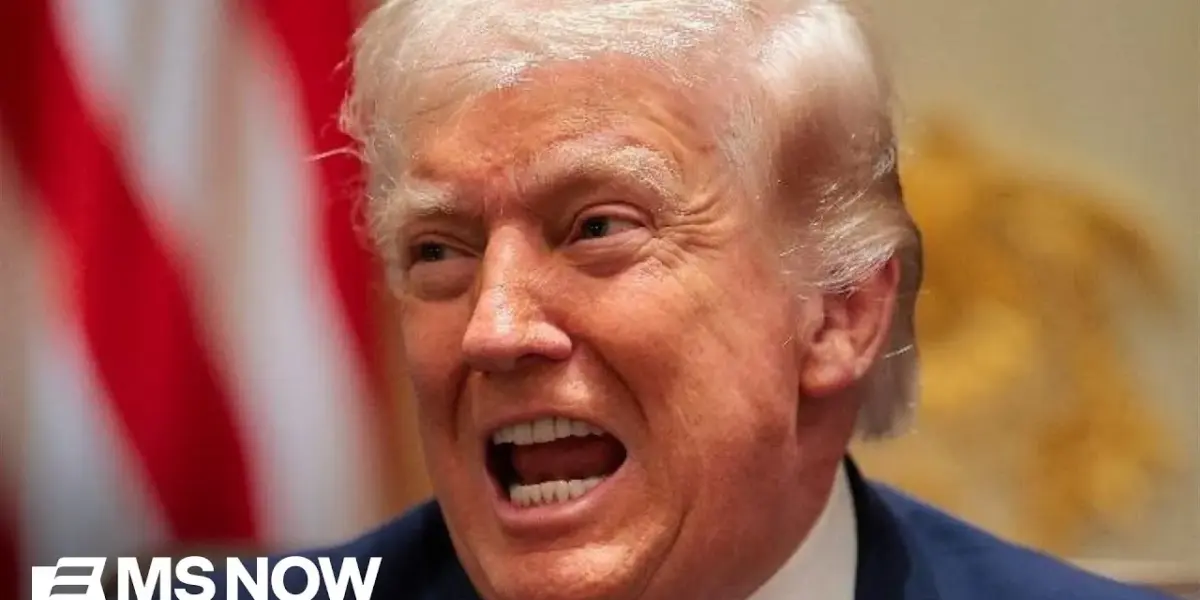
White House Faces Scrutiny Over Unclear War Aims
Confusion and a lack of clear objectives plague the Trump administration’s approach to the ongoing conflict, according to political analysts and lawmakers. While the White House claims success and outlines diplomatic efforts, many are questioning the fundamental goals and the strategy to achieve them. This uncertainty has led to frustration among some members of Congress and raised concerns about the potential long-term consequences of the war.
Lack of Transparency Fuels Congressional Concerns
Members of Congress, both Republican and Democrat, have expressed dissatisfaction with the information provided by the White House regarding the war’s endgame. Geopolitical analyst Bobby Ghosh suggests the administration might be deliberately creating confusion, a tactic consistent with its behavior on other issues. However, he leans towards the interpretation that the White House is improvising its strategy, changing course frequently without a defined end state or a clear path to de-escalation.
“If you don’t know where Point B is, it’s hard to get from Point A to Point B,” Ghosh stated, highlighting the fundamental challenge of pursuing a military objective without clearly defined goals.
Lawmakers Seek Answers, Explore Oversight Tools
A segment of Republicans, though small, has become vocal in demanding more information, especially concerning the potential deployment of ground troops. Senator John Kennedy criticized the quality of current briefings, calling them “pretty worthless” and preferring to hear from cabinet-level officials. He noted that current briefings often involve middle-level personnel reading prepared statements, offering little substantive insight.
Lawmakers have several avenues to exert pressure. One is by voting on War Powers Resolutions, which Democrats plan to continue introducing. However, these efforts have largely faced Republican opposition. Additionally, some Republicans are pushing for public hearings on the scope of the administration’s objectives, seeking greater transparency from the Defense Department.
Political Fallout and Public Opinion
Beyond the strategic concerns, the war carries a significant political cost. Mark Liebovich, a political contributor, believes the war is unpopular and, when combined with other administration policies and economic anxieties, creates a substantial distraction. The lack of clear information, he argues, adds to the general confusion and anxiety among Republicans as midterm elections approach.
“The lack of information is just sort of what we’re seeing or what we’re seeing then sort of awkwardly try to dance around in the day-to-day,” Liebovich commented. “But I also think this war is not popular.”
Echoes of Past Conflicts and Diplomatic Maneuvers
Ghosh draws parallels between the current situation and the lead-up to the Iraq War, noting the similarity in a U.S. involvement in a region not fully understood. However, he distinguishes the current approach by the lack of clearly articulated objectives, unlike the Bush administration’s efforts to define its goals, however flawed they proved to be.
“If you don’t define what the end goal is, what that does is it allows you to fudge along the way,” Ghosh explained. “So you can declare victory at any stage.” He warns that such plans can falter when confronted with on-the-ground realities, affecting not just domestic economics but the global supply chain, with countries worldwide feeling the impact.
Mixed Messages on Diplomacy and Troop Deployment
Despite claims of success from President Trump and his cabinet, Iran has continued to launch missiles. Meanwhile, U.S. envoy Steve Whitcoff and Jared Kushner have reportedly engaged in back-channel diplomatic efforts through Pakistan, involving a 15-point plan. Details of this plan remain scarce, but it is understood to include demands for Iran to cease nuclear enrichment and limit its missile capabilities.
President Trump expressed confidence in these diplomatic talks, citing the passage of eight oil tankers through the Strait of Hormuz as a positive sign. However, the administration has deployed nearly 50,000 American troops without providing clear answers on their specific roles or the possibility of ground operations. This continued ambiguity leaves many questions unanswered about the true objectives and the path forward.
Source: Trump: Iran wants a deal 'so badly,' but they are afraid to say it (YouTube)

Related Articles


General Blasts “Comic Book Tough Guy” Over Officer Promotions
A four-star general has criticized Pentagon leadership, calling it a "comic book tough guy" over the alleged blocking of promotions for two Black and two female officers. This controversial move raises concerns about discrimination and its impact on military morale during a critical geopolitical period.


Ukraine Eyes Missile Production Boost
CBS correspondent Eden Stretch reports on Ukraine's growing role in defense manufacturing, particularly missile systems. She also details the resilience of Ukrainian families through a harsh winter and discusses the evolving perception of Ukraine as a strategic partner rather than a drain on U.S. resources.

US Allies Rethink Ties as Washington Sows Global Discord
Allegations of geopolitical confusion and disregard for allies from the White House are straining international relationships. This perceived unpredictability is forcing nations to reconsider alliances and forge new economic partnerships, potentially reshaping the global order.