Trump Administration Weakened US Defenses, Experts Warn
Reports indicate the U.S. government's capacity to handle critical threats has diminished, with the CDC's rabies testing capabilities severely limited and cybersecurity defenses compromised. Experts warn these erosions in public health and national security infrastructure could have severe consequences.


US Government Capabilities Eroded, Leading to National Security Risks
The United States government has seen significant erosion in its capacity to handle critical public health threats and national security challenges, according to recent reports and analysis. Key agencies, including the Centers for Disease Control and Prevention (CDC) and federal cybersecurity units, have reportedly been hollowed out, leading to a diminished ability to respond to emergencies like rabies outbreaks and cyberattacks.
Rabies Testing Capacity Severely Limited
The CDC, long considered the gold standard for disease testing and tracking in the U.S., has drastically reduced its ability to perform complex diagnostic tests. This includes critical testing for rabies, a deadly viral disease transmitted to humans through the bite of infected animals. According to a New York Times report, the CDC’s rabies team is projected to have only one person with the necessary expertise by July, while its pox virus team will have none.
This reduction in capability means that health professionals seeking to send specimens for rabies testing may encounter error messages indicating that tests are unavailable. Previously, the CDC provided detailed instructions for collecting and shipping specimens for various types of rabies testing. Now, these services are largely inaccessible at the federal level, forcing reliance on state public health labs which may not have the same specialized capabilities.
Cybersecurity Defenses Compromised
In parallel, the nation’s cybersecurity infrastructure has also reportedly suffered significant damage. A major cyber incident involving sensitive FBI surveillance systems, with suspected ties to China, has been formally declared a major incident under federal law. This declaration signifies a successful compromise of sensitive data, potentially representing a significant counterintelligence gain for adversaries.
Concerns have been raised about the government’s ability to mount an effective inter-agency cyber response, given the alleged dismantling of cybersecurity expertise within federal agencies. Reports from November indicated that a substantial portion of the Cybersecurity and Infrastructure Security Agency (CISA) staff had been terminated or left. Furthermore, leadership at the NSA and Defense Intelligence Agency was reportedly removed, and U.S. Cyber Command was left without a permanent commander.
Foreign Influence Operations Undermined
The United States’ capacity to combat foreign influence and disinformation campaigns has also been weakened. The Trump administration reportedly dismantled government departments dedicated to fighting these operations, including teams of disinformation experts at the FBI, the Office of the Director of National Intelligence, and the State Department’s Global Engagement Center. This center had previously exposed numerous covert disinformation efforts by nations like Russia and China.
Now, the State Department is reportedly scrambling to counter a growing number of anti-American narratives worldwide. U.S. embassies and consulates have been instructed to increase efforts to push back against foreign influence campaigns, which are fueling hostility toward U.S. security interests. This represents a significant reversal from previous actions that weakened these capabilities.
Military Readiness and Troop Welfare Questioned
Beyond public health and cybersecurity, questions are being raised about the readiness and welfare of U.S. military personnel. Reports suggest a pattern of leadership changes within the military, with numerous high-ranking officials being fired or pushed out. This comes amid ongoing military operations and a conflict with Iran, where U.S. planes have reportedly been shot down, and troops are allegedly being housed in hotels due to concerns about the safety of military bases.
Furthermore, a report from NPR highlighted that over 10,000 veterans lost their homes to foreclosure after a key safety net in the VA home loan program was shut down by the Trump administration, despite warnings that this would happen. These events raise concerns about the overall management and support for both active-duty military and veterans.
Concerns Over Election Integrity
Adding to the list of concerns, Senator Mark Warner, the top Democrat on the Senate Intelligence Committee, has issued a stark warning about potential threats to election integrity. He suggests that the greatest danger to future elections may come from within the U.S. government itself, rather than foreign interference.
Senator Warner points to a draft executive order that reportedly proposes declaring a national emergency based on unsubstantiated claims of foreign interference in past elections. Such a declaration, he argues, could be used to grant the president sweeping powers to alter voting methods, impose new registration requirements, and override the constitutional role of states in administering elections. He emphasizes that there is no legitimate basis for such an emergency and that it could be manufactured to create a pretext for intervention, potentially undermining the foundation of free and fair elections.
Looking Ahead
The cumulative effect of these reported erosions in critical government functions raises significant questions about the nation’s preparedness for future crises. As the country faces complex geopolitical challenges and public health concerns, the focus remains on whether these capabilities can be effectively restored and whether vulnerabilities in cybersecurity and election integrity will be adequately addressed.
Source: The Rachel Maddow Show – April 6 | Audio Only (YouTube)

Related Articles


AI Leaders Warn of Risks, Sparking Global Debate
AI leaders like Sam Altman are warning about job losses and new disease threats, sparking global debate on regulation. Experts discuss the complex motives of AI developers and the real dangers of cyber and biological attacks. The rapid advancements necessitate careful consideration of ethical development and international cooperation.

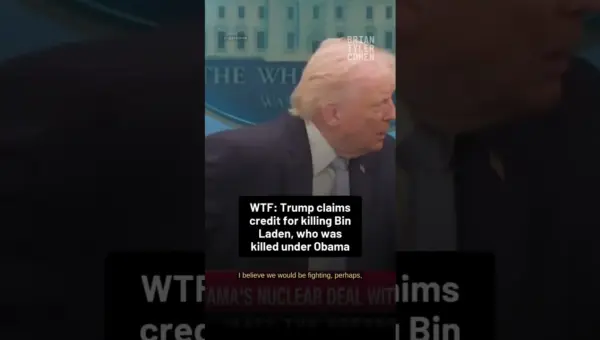
Trump’s Bold Claim: Did He Kill Bin Laden?
Former President Donald Trump recently claimed credit for the killing of Osama bin Laden, an operation that occurred under President Barack Obama's administration. Trump also discussed the U.S. strike that killed Iranian general Qassem Soleimani, stating he ordered it to prevent attacks on military bases. These assertions raise questions about historical accuracy and political messaging.

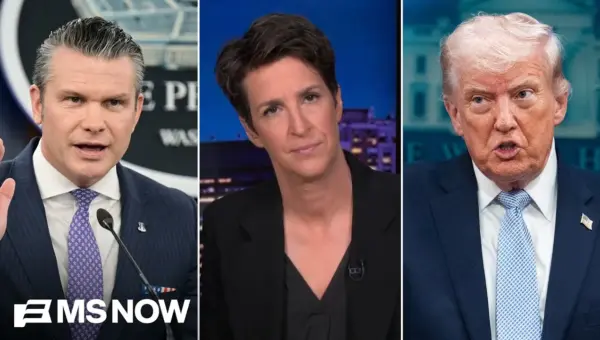
US Military Faces Iran War Amidst Leadership Chaos
The U.S. military is reportedly fighting a war against Iran while simultaneously facing internal leadership disruptions and a lack of preparedness. Reports indicate significant aircraft losses despite claims of air superiority, and troops are being housed in hotels due to unsafe bases. High-ranking military officials have been dismissed, adding to concerns about the nation's strategic and operational readiness.