Trump Administration Finds Alternative Routes for Tariff Policy After Supreme Court Setback
The Trump administration is pivoting to alternative legal mechanisms for implementing tariff policies after a Supreme Court ruling challenged the president's emergency powers approach. Republicans Overseas chair Greg Swenson suggests the administration has multiple legal tools available to continue its trade agenda despite the judicial setback.

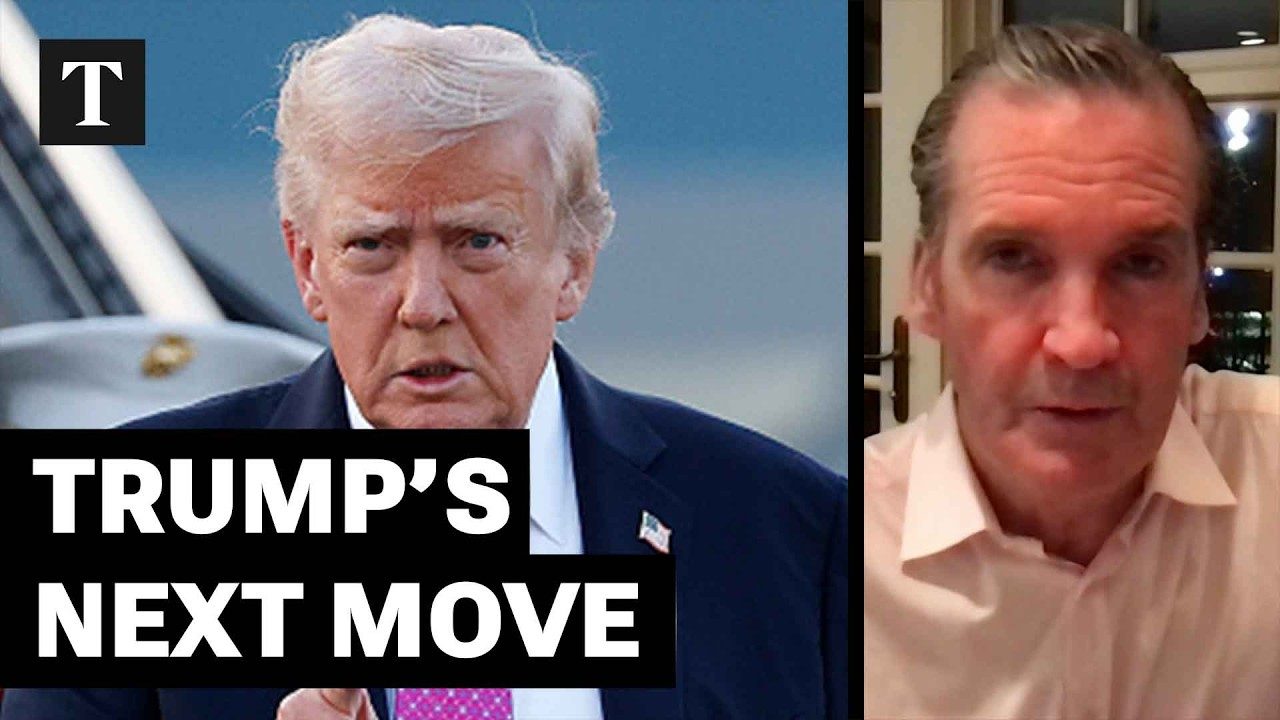
The Trump administration is exploring alternative legal mechanisms to implement its trade policy agenda following a Supreme Court ruling that challenged the president’s authority to impose tariffs through emergency powers, according to Greg Swenson, chair of Republicans Overseas.
Supreme Court Ruling Creates Policy Pivot
In a significant legal development, the Supreme Court ruled that President Trump’s tariff implementation by decree was unlawful, forcing the administration to quickly adapt its approach. Rather than abandoning the policy entirely, Trump responded by imposing a new global 10% levy through different legal mechanisms, demonstrating what Swenson described as the president having “other levers and other kind of tools in his kit.”
The ruling, while creating immediate uncertainty, was not entirely unexpected by the administration. Swenson noted that there were existing doubts about whether the International Emergency Economic Powers Act (IEEPA) was the appropriate legal foundation for these trade decisions. “I think even the administration was anticipating that this ruling could go this way,” he explained during a recent interview.
Alternative Legal Pathways Available
Despite the Supreme Court setback, the administration appears well-prepared with backup legal strategies. Swenson referenced several alternative legal frameworks, including Section 122 and Section 301 of trade law, which could provide the necessary authority for tariff implementation. This suggests that while the method may change, the administration’s broader trade policy objectives remain intact.
“There’s a long list of other laws that will allow the president or the administration to use tariffs accordingly,” Swenson emphasized, indicating that this legal challenge represents more of a procedural hurdle than a fundamental policy defeat.
Institutional Balance and Presidential Response
The episode has sparked broader discussions about the balance of powers within the U.S. government and the role of institutional checks on presidential authority. Swenson defended Trump’s response to the ruling, arguing that unlike some previous administrations, Trump has indicated he will comply with Supreme Court decisions even when disagreeing with them.
“What President Trump is actually quite different. He is saying whatever the Supreme Court says, I’ll abide by it. I might not be happy about it, but that works,” Swenson stated, drawing contrasts with previous instances where other administrations have challenged Supreme Court rulings.
Market Response and Economic Implications
Interestingly, financial markets responded positively to the news, with rallies occurring despite the increased uncertainty. This market reaction surprised some observers, including Swenson, who noted that uncertainty typically creates negative market sentiment. The positive response may suggest that investors view the institutional check as ultimately stabilizing for long-term policy predictability.
However, the ruling does create complexities for businesses and trade relationships. A small number of companies involved in the original lawsuit may seek compensation for tariffs they argue were illegally collected, though Swenson suggested that any refund process would be limited in scope and lengthy in duration.
Long-term Trade Policy Strategy
Despite the legal complications, the administration appears committed to its broader trade agenda. Swenson emphasized that the core objectives remain unchanged: “correcting unfair trade and correcting some of the ills in the trade system that the tariffs were meant to correct.”
The incident highlights the complex interplay between executive power and judicial oversight in trade policy, an area that has traditionally seen broad presidential discretion. The Supreme Court’s willingness to intervene suggests a more active judicial role in reviewing executive trade actions, potentially setting precedents for future administrations.
Supreme Court Independence Demonstrated
The ruling also serves as evidence of judicial independence, even from justices appointed by Trump himself. Swenson noted this as “a good moment for the Supreme Court,” demonstrating that the court doesn’t always rule along partisan lines despite its conservative majority.
This independence could have broader implications for how the court approaches other high-profile cases involving executive power, potentially signaling a more balanced approach to separation of powers issues regardless of which party appointed the justices.
Looking Forward
As the administration navigates these legal challenges, the focus will likely shift to how effectively alternative legal mechanisms can achieve the same policy goals. The success of this pivot will be crucial not only for the administration’s trade agenda but also for establishing precedents about how future presidents can implement economic policy through executive action.
The episode underscores the resilience of American institutional checks and balances while also demonstrating the executive branch’s capacity to adapt its approach when faced with legal constraints. Whether this leads to more stable or more complex trade policy implementation remains to be seen as the administration continues to pursue its economic objectives through alternative legal pathways.
Source: Trump Has ‘Other Levers’ To Pull With Using Tariffs | Greg Swenson (YouTube)

Related Articles
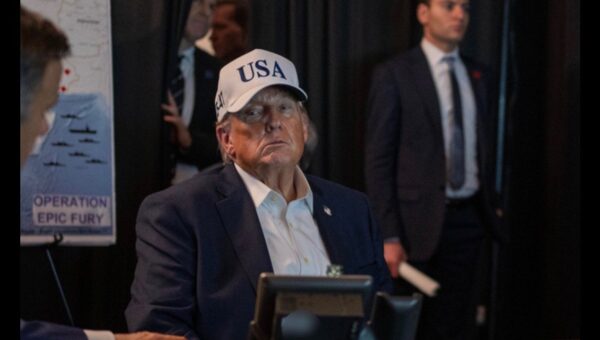
Trump Cites Iran Election Interference for US Military Action
President Trump has cited Iran's alleged election interference as justification for military action, a move critics label a "wag the dog" tactic to distract from domestic issues. Concerns are mounting over a leaked memo suggesting executive orders to grant sweeping powers over voting, potentially linked to election fraud claims.

Supreme Court Reins In Presidential Tariff Power
The U.S. Supreme Court has ruled that the President cannot use emergency powers to impose tariffs, potentially requiring billions in collected revenue to be repaid to corporations. This decision limits executive authority in trade policy.

Supreme Court Strikes Down Trump Tariffs: What’s Next?
The U.S. Supreme Court has struck down a significant portion of Trump-era tariffs, ruling they were unlawfully imposed under the International Economic Powers Act. The decision reaffirms Congress's exclusive power over taxation and highlights concerns about executive overreach. The ruling follows a period of economic uncertainty and a record-high trade deficit, despite protectionist measures.