Trump Administration Drops Fight Over Law Firm Executive Orders
The Trump administration has dropped its defense of executive orders targeting law firms, a move that could benefit firms that challenged the directives. Justice Department lawyers informed a federal appeals court yesterday that they would no longer pursue the case, ending a significant legal battle.

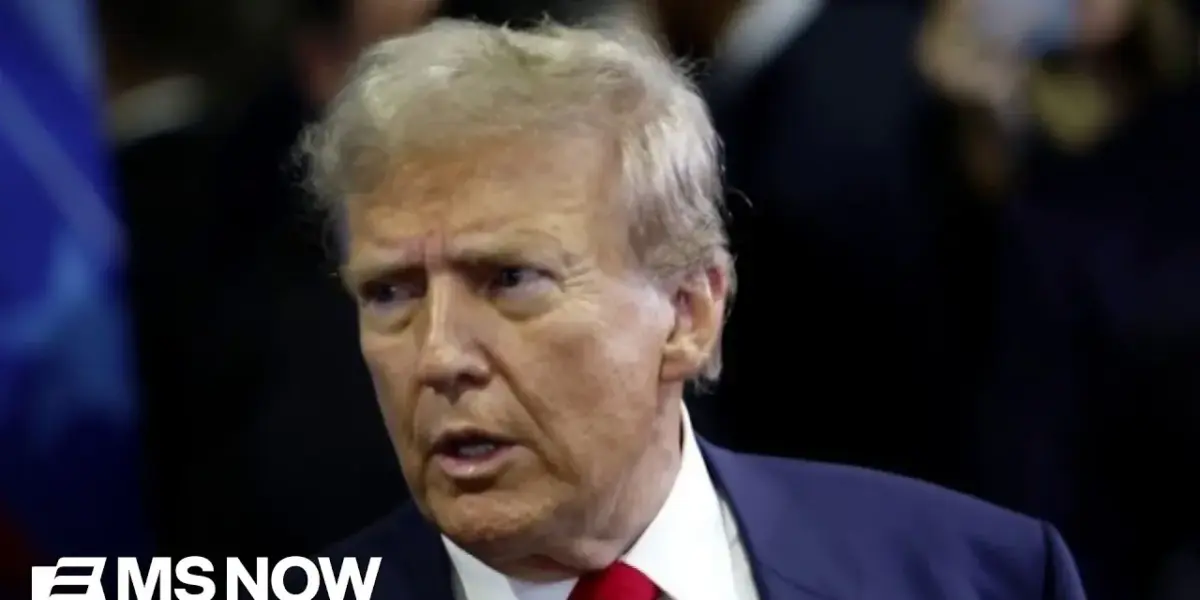
Justice Department Ceases Defense of Controversial EOs
In a significant shift, the Trump administration has abandoned its defense of executive orders that targeted law firms, signaling a potential victory for legal organizations that challenged the directives. Justice Department lawyers informed a federal appeals court yesterday that they would no longer pursue the case, effectively withdrawing from a legal battle that began last spring.
The executive orders, issued by the Trump administration, aimed to bar law firms from government business if they represented clients in matters adverse to the administration. This move created a stark choice for many firms: either cease representing certain clients or face exclusion from lucrative government contracts. The administration’s decision to cease defending these orders comes after months of legal challenges and public scrutiny.
Background of the Executive Orders and Legal Challenges
Investigative reporter Michael Schmidt of The New York Times, who has closely followed the story, explained the genesis of these controversial orders. “When Trump came out of the gate last year and started his retribution campaign, he started to use his powers in audacious ways,” Schmidt stated. The executive orders were designed to prevent firms from representing clients in front of the federal government, a move that many saw as an attempt to intimidate or punish those who opposed the administration.
The pressure tactic led to a division among law firms. Some, facing intense scrutiny and the threat of losing government business, chose to capitulate and make deals with the Trump administration. Schmidt noted, “I think it is a firm that had a long history of standing up to the government… decided to make Trump decided to make a deal with Trump and decided to bend the knee.” This decision, according to Schmidt, emboldened the administration to pursue more firms.
However, a core group of firms remained defiant. “There were four firms left who were willing to fight,” Schmidt reported. These four firms took their case to federal court, where district judges in multiple instances ruled against the executive orders, deeming them unconstitutional. The legal basis for the administration’s defense of these orders was reportedly weak, with little substantial legal argument to support their constitutionality.
Broader Implications: A Template for Executive Action?
The Trump administration’s strategy of issuing executive orders and then leveraging the slow pace of the judicial system to achieve de facto victories has been a recurring theme. Schmidt elaborated on this tactic, suggesting it applied not only to law firms but also to the administration’s general approach to governance. “The logic is a de facto ruling for us,” he explained, referring to the administration’s ability to achieve its objectives through prolonged legal battles that outlasted judicial review.
“The courts have shown that their speed or lack of it makes it difficult for them to keep up with Trump,” Schmidt observed. He pointed to instances where, even if ultimately overturned, the administration could inflict damage. “They were able to create damage that the courts just are they are not fast enough and strong enough to move in and get a hold of.” This strategy, he argued, could serve as a blueprint for future administrations seeking to implement policies despite potential legal challenges.
“The Trump administration is doing with these executive orders. And that strategy has played out very well for the Justice Department because of the Supreme Court’s I don’t think it’s refusal to step in and do the right thing.”
The reporter also touched upon the reputational impact on firms that chose to make deals rather than fight. “If you’re a big company looking for representation in the federal court, you’re going to look at a law firm that folded… I don’t think I’m going to fight for me.” While the financial impact on these firms may not be immediately apparent, the long-term implications for talent recruitment, particularly from individuals with progressive leanings, could be significant.
The Future of Legal Representation and Executive Power
As the dust settles on this particular legal battle, questions remain about the lasting effects on the legal profession and the broader use of executive power. The administration’s decision to drop its defense suggests a strategic recalculation, perhaps acknowledging the legal weaknesses of the orders or the potential for further reputational damage. Meanwhile, the firms that stood their ground have achieved a significant legal victory, underscoring the importance of challenging executive overreach.
The ongoing debate about the speed and efficacy of the judicial system in responding to executive actions continues. As Schmidt noted, the ability of an administration to create lasting impacts through prolonged legal maneuvering, even if ultimately unsuccessful, poses a critical challenge to the balance of power. The coming months will likely reveal more about the long-term consequences for the law firms involved and the precedent set by this legal confrontation.
Source: Trump administration won't fight to impose orders on law firms (YouTube)

Related Articles


Noem Faces Senate Scrutiny Over Trump Immigration Policies
Department of Homeland Security Secretary Kristi Noem faced tough questions from the Senate Judiciary Committee regarding President Trump's immigration policies. The hearing scrutinized the 'Remain in Mexico' policy and border wall construction.

Trump’s ‘Clown Car Cabinet’ Now a Liability as Iran Threat Spikes
President Trump's decision to launch military action against Iran, despite intelligence suggesting no immediate threat, has ignited a major conflict. Critics point to the dismantling of a key FBI counterintelligence unit and questionable leadership in defense and homeland security as alarming liabilities amidst escalating casualties and global concerns.
Trump Official’s Empire Built on Tariffs Crumbles Amid Scandal
Commerce Secretary Howard Lutnik is facing mounting pressure amid allegations of profiting from tariffs he promoted and conflicting statements about his past ties to Jeffrey Epstein. Investigations are now underway, raising serious ethical questions.