Trump Administration Demands Cuban President Step Down Amid Crisis
The Trump administration is demanding Cuban President Miguel Diaz-Canel step down, intensifying pressure on the island nation amid its worst electricity crisis in modern history. The U.S. blockade has worsened a growing humanitarian crisis, impacting essential services and daily life for millions of Cubans.


US Pressures Cuba’s President Amid Growing Humanitarian Crisis
The Trump administration has intensified its pressure on Cuba, demanding that President Miguel Diaz-Canel step down as a condition for further negotiations. This move comes as the island nation grapples with its worst electricity crisis in modern history, leading to widespread blackouts and a deepening humanitarian crisis. The U.S. has maintained a strict trade embargo on Cuba for over 65 years, a policy that President Trump has significantly hardened since taking office.
US Tightens Grip: Blockade and Demands
In January, the Trump administration implemented a blockade aimed at preventing other countries from supplying Cuba with oil. This action has had severe consequences, causing rolling blackouts and crippling the nation’s power grid, which has collapsed multiple times this month alone. President Trump has also made public statements suggesting a desire to control Cuba, saying, “I do believe I’ll be the honor of having the honor of taking Cuba. That’d be a big honor. Taking Cuba.”
“Anything you can do to weaken the regime in Cuba.”
– A U.S. official’s stated goal regarding Cuba, as reported by The New York Times.
Humanitarian Crisis Worsens
The escalating U.S. pressure is exacerbating a severe humanitarian crisis within Cuba. According to The New York Times, garbage is piling up in the streets due to a lack of fuel for collection trucks. Spoiled meat and dairy products are common as refrigeration fails. Many residents have lost running water because Havana’s water system relies on electric pumps. Public health services are also suffering, with tens of thousands of surgeries postponed and cancer patients’ treatments disrupted by power outages and a lack of refrigerated medicine.
Expert Insights: Echoes of the Past
David Ariosto, an American journalist who spent two years living in Cuba and authored “This Is Cuba: An American Journalist Under Castro’s Shadow,” draws parallels between the current situation and the severe hardships Cuba faced in the 1990s after the collapse of the Soviet Union. During that period, Cuba lost crucial fuel and sugar subsidies, leading to widespread shortages. Many Cubans survived on meager diets, and the U.S. tightened its embargo, pushing the country to the brink of famine. Ariosto notes that while the current crisis is devastating, comparing its exact severity to the 1990s is difficult. However, the impact on essential services like hospitals, schools, and transportation is severe, forcing many Cubans to rely on bicycles for daily commutes.
Cuba’s Internal Dynamics and US Policy
Ariosto explains that after the loss of Soviet subsidies, Cuba’s government allowed for more micro-enterprises, like small restaurants and shops, to emerge. Similar trends occurred after Venezuela’s support waned. The Obama administration had attempted to improve U.S.-Cuba relations by re-establishing banking ties and direct business exchanges. However, Ariosto suggests that the Cuban government has been slow to embrace a wider economic opening. This hesitation stems from a desire to maintain political control, fearing that too much integration into a global market could weaken the ruling party’s power. The current U.S. administration’s hardline stance, including demands for the Cuban president’s resignation, is reminiscent of historical U.S. interventions, like the Platt Amendment era following the Spanish-American War, which made Cuba a U.S. protectorate.
Looking Ahead
Despite the U.S. demands and the worsening crisis, Cuban officials have stated that the demand for their president to step down is unacceptable. While the U.S. Southern Command has indicated no plans for a military invasion, figures like Secretary of State Marco Rubio remain strong advocates for regime change in Havana. The situation remains tense, with the Cuban people bearing the brunt of the escalating political and economic pressures. Future developments will likely depend on the U.S. administration’s continued policy decisions and Cuba’s response to both internal and external pressures.
Source: Trump administration demands Cuban president to step down (YouTube)

Related Articles

Stocks Ignore War Risks, Focus on “Taco Moments”
Stock markets appear to be overlooking the severe supply chain risks stemming from the Iran conflict, focusing instead on potential diplomatic de-escalations. While the S&P 500 shows resilience, bond and commodity markets signal deep concern over disruptions to critical resources like LNG, helium, and fertilizers.
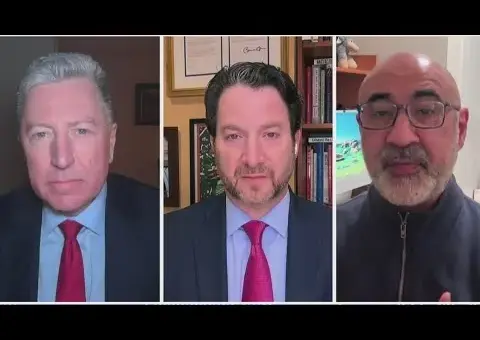
U.S. Iran Tensions Rise Amid Shifting Alliances
Rising tensions between the U.S. and Iran are creating a volatile geopolitical situation. With conflicting signals on de-escalation and potential shifts in alliances like NATO and U.S.-Israel relations, the path forward remains uncertain. The global economy and regional stability hang in the balance.
Iran Targets US With Cyberattacks, Escalating Digital Warfare
Iran is increasingly using cyberattacks to challenge the U.S., as seen in a recent hack of the FBI director's account. Experts say this is a strategic shift due to Iran's limitations in conventional warfare. The U.S. needs to strengthen its digital defenses, focusing on encryption and cloud computing, rather than solely relying on traditional security measures.