Trump Admin Shredded Epstein Jail Docs, Report Claims
Federal lawmakers are seeking testimony from a key prison guard in the Jeffrey Epstein case following reports of extensive document shredding at the jail where he died. A bombshell investigation by the Miami Herald revealed whistleblower alerts to the FBI about suspicious activities, raising questions about a potential cover-up.

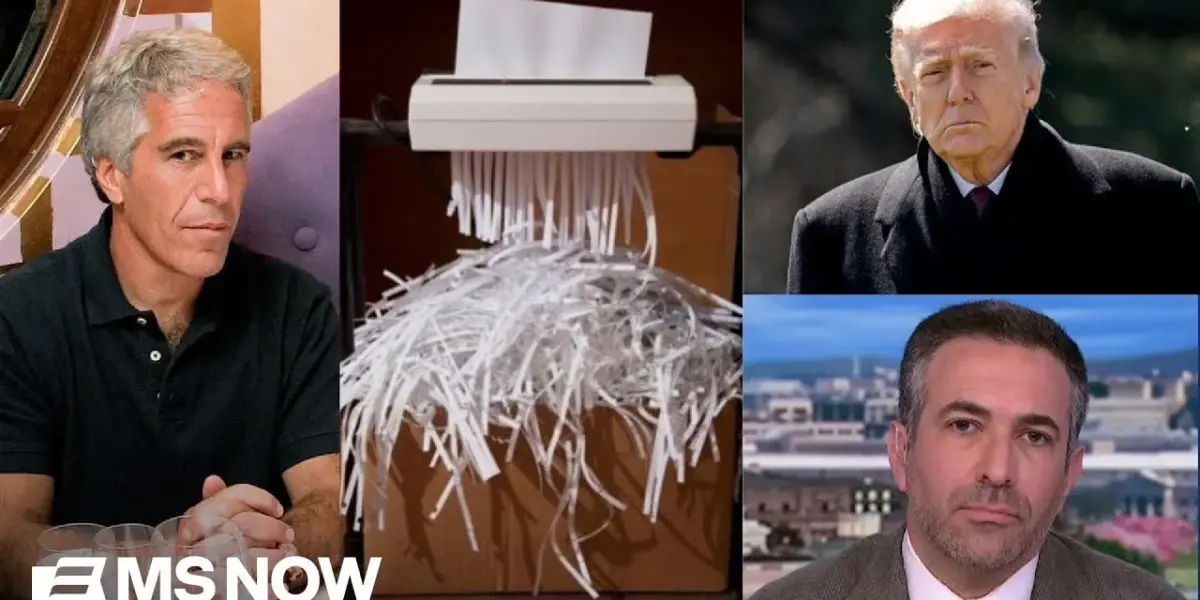
Congress Seeks Testimony on Shredded Documents After Epstein’s Death
Federal lawmakers are seeking to interview a key prison guard involved in the events surrounding Jeffrey Epstein’s death. The guard, who was previously indicted, is believed to be the last person to have seen Epstein alive. Initially asked to testify as soon as tomorrow, the interview has reportedly been postponed. However, a congressional panel is now working with the guard’s attorney to secure her testimony.
Bombshell Report Uncovers Document Destruction at Epstein Jail
This renewed scrutiny follows a bombshell report by Julie K. Brown and her team at the Miami Herald. Their investigation, based on Epstein case file documents, revealed alarming activity at the Metropolitan Correctional Center (MCC) in the days after Epstein’s death. Reports indicate that large quantities of documents were shredded, raising immediate concerns among prison staff and prompting official warnings.
Whistleblower Alerts FBI to Suspicious Shredding
One corrections officer reportedly contacted the FBI, stating they had never witnessed such extensive document shredding. Days later, another officer also alerted investigators to similar concerns. These whistleblower accounts highlight a pattern of suspicious activity within the facility during a critical period.
DOJ Inspector General’s Report Under Fire
The Miami Herald’s reporting indicates that the Department of Justice’s Office of the Inspector General (OIG) was aware of these concerns. The OIG, which spent years investigating the circumstances surrounding Epstein’s death, interviewed relevant individuals. However, the subsequent OIG report failed to mention the document shredding or related alarms, leading to questions about the thoroughness and independence of the investigation.
“The report found serious problems and suggests new rules that would affect all holders.”
Reporter Details Disturbing Findings
Julie K. Brown, the investigative reporter behind the story, joined the program to discuss her findings. She explained that the shredded documents were examined by an “after incident team” put together by the Bureau of Prisons. These documents were handled by Bureau of Prisons personnel, and later, a list of individuals on this team was compiled. The process involved compiling papers that were then put into a shredder.
An Orderly’s Account of Document Destruction
Brown recounted the experience of one orderly who was asked to help shred documents. The orderly was then instructed to take the bags of shredded material outside to a dumpster. A corrections officer noted the unusual volume of bags, commenting that it was an amount they had never seen disposed of before.
Prosecutors Raised Alarms Over Missing Files
Adding to the suspicion, prosecutors from the Southern District of New York had previously found evidence that certain items were missing from the facility. Inmate counts were reportedly inconsistent in the days leading up to Epstein’s death. When informed about the document shredding, the prosecutors requested access to the dumpster to examine the shredded material. Unfortunately, this request was not fulfilled, and no further action was taken regarding the shredded documents.
Tension Between On-Site Staff and Federal Prosecutors
The situation highlights a potential conflict between staff on the ground at the MCC and federal prosecutors. The U.S. Attorney’s Office in the Southern District of New York, known for its independence, created a case file and conducted interviews related to the shredding incident. However, the interviews, conducted by the FBI, were reportedly structured with leading questions, making it difficult for witnesses to provide detailed accounts.
Interviewer’s Concerns About the Guard’s Testimony
One orderly, allegedly the first to report the shredding, expressed discomfort during his FBI interview. He stated, “I don’t want any problems. I didn’t see anything. I like my job here.” This suggests the interview process may have been designed to minimize the issue, leading to a “covering up of the cover-up,” as described by the reporter.
Suspicious Financial Activity of a Key Guard
The guard now sought by Congress has also come under scrutiny for her financial activities. The Miami Herald’s reporting indicates that this guard, who was indicted but later had her case dismissed, made multi-thousand-dollar cash deposits into her bank account. Her bank flagged these transactions 12 times for suspicious activity reports (SARs). Brown’s recent reporting delved deeper into the guard’s background, revealing she is educated and comes from an educated family. She also served in the U.S. Army Reserves, including active duty in Kuwait.
Questions Surrounding the Guard’s Finances
The flagged cash deposits raise significant questions about the source of these funds. The reporter noted that these financial records were part of the files reviewed, prompting inquiries into whether the cash was accounted for in a valid way. The specific amounts and sources of these deposits remain a key area of interest for investigators.
Looking Ahead: Congressional Investigation and Further Revelations
As Congress seeks to interview the guard and further investigate the events surrounding Epstein’s death, more details may emerge. The questions surrounding the shredded documents, the OIG’s handling of the information, and the guard’s financial activities are crucial to understanding the full picture of what transpired at the MCC. The public will be watching closely for further developments in this ongoing investigation.
Source: Evidence Bomb! Trump admin SHREDDED JAIL DOCS after Epstein death: Ari hosts scoop reporter (YouTube)

Related Articles


DOJ Official’s Remarks Spark Outrage Over Political Allegations
A top Trump DOJ official's speech at CPAC has sparked controversy, with claims of incriminating admissions regarding fears of prosecution and alleged political motivations. The remarks have raised serious questions about impartiality within the Department of Justice.

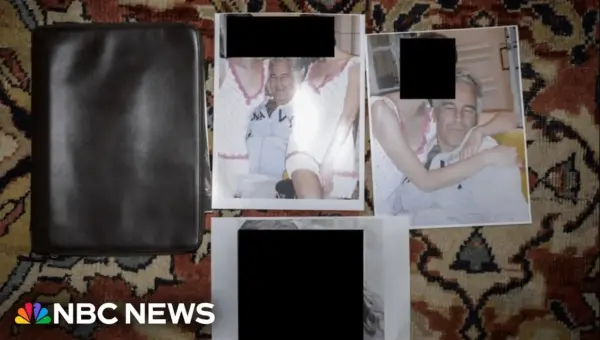
Epstein Survivors Sue DOJ, Google Over Data Leak
Survivors of Jeffrey Epstein have filed a class-action lawsuit against the U.S. Justice Department and Google, alleging the improper release of private information. The suit claims that despite the DOJ's efforts to retract the data, survivors' personal details remain accessible online, causing renewed trauma and threats to their safety. This legal action seeks accountability and aims to prevent future data disclosures.


DOJ Pays Millions to Ally: Is This Legal?
A $1.2 million payout from the DOJ to Mike Flynn, a former Trump ally, has sparked outrage and questions about legality and oversight. Critics fear a pattern of "grift and corruption," while calls for accountability echo historical precedents.