Trump Admin Lacks Post-War Iran Strategy Amid Escalating Conflict
The U.S. war against Iran has escalated dramatically, drawing in NATO and expanding deep into Iranian territory. However, the Trump administration has offered no clear post-war strategy, leaving experts questioning the long-term objectives and potential consequences of the deepening conflict.

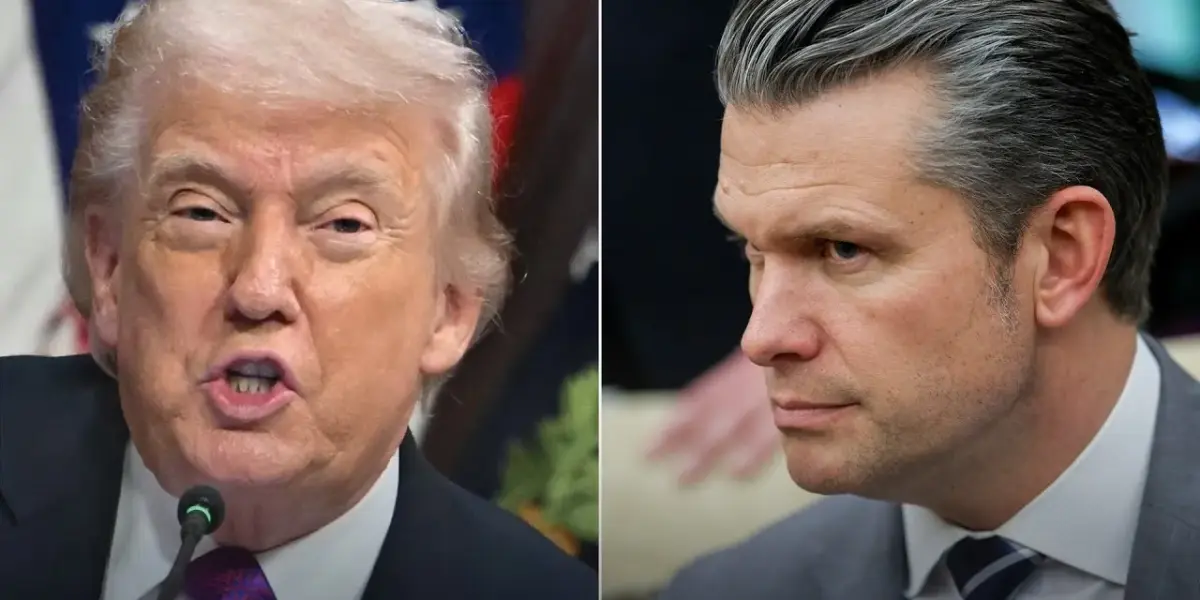
US Escalates Iran War, NATO Involved as White House Offers No Clear Strategy
As the United States and Israel’s war against Iran enters its sixth day, the conflict has rapidly expanded across the region, drawing in NATO allies and prompting direct U.S. military actions deeper into Iranian territory. Despite the escalating hostilities and significant military engagements, the Trump administration appears to have no concrete post-war plan for Iran, leaving key questions about its objectives and strategy unanswered.
Regional Spillover and NATO’s Involvement
The war’s expansion was underscored today when NATO intercepted a missile targeting Turkey, a member nation and host to U.S. Air Force facilities. This incident highlights the growing risk of Article 5 invocation under the North Atlantic Treaty Organization’s mutual defense clause, which could draw multiple member states into the widening conflict. Iran has reportedly targeted countries hosting American military installations, increasing the potential for a broader confrontation.
U.S. Navy Strikes Iranian Warship
In a significant development, U.S. Defense Secretary Pete Hegseth confirmed that an American submarine sank an Iranian warship with a torpedo off the coast of Sri Lanka. This marks the first time a U.S. submarine has deployed a torpedo in combat since World War II. The Iranian vessel was believed to be carrying 180 personnel, with 32 reportedly rescued.
Deepening Strikes into Iran
Defense Secretary Hegseth and Chairman of the Joint Chiefs Dan Cain have signaled a strategic shift, announcing that U.S. forces will begin striking progressively deeper into Iranian territory. “We will now begin to expand inland, striking progressively deeper into Iranian territory and creating additional freedom of maneuver for U.S. forces,” stated Chairman Cain. President Trump echoed this sentiment, declaring, “More and larger waves are coming. We are just getting started. We are accelerating, not decelerating.”
Munitions Supply and Defense Production
Addressing concerns about the depletion of U.S. munitions supplies, Chairman Cain asserted that the military possesses sufficient precision munitions for current operations. However, he declined to discuss specific quantities, citing operational security. In parallel, the White House is reportedly convening defense contractors to discuss increasing munitions production, indicating a recognition of the sustained demands of the conflict.
President Trump’s Optimism Amidst Escalation
President Trump expressed strong confidence in the war’s progress, rating the U.S. performance as a “15” on a scale of 1 to 10. He attributed the success to the rebuilding of the military during his first term and characterized the initial strikes as a complete “obliteration” of Iranian capabilities, including what he described as their nuclear threat.
Lack of Clear Post-War Objectives
Despite the President’s optimistic pronouncements, a critical gap exists regarding the administration’s strategy for the aftermath of the conflict. When White House Press Secretary Caroline Levitt was asked about the President’s vision for a U.S. role in Iran post-conflict, she stated that it was “something the President is actively considering and discussing with his advisors and his national security team.” However, she emphasized that the immediate focus remains on the “quick and effective success of Operation Epic Fury.”
“The reality is that the lid is off now… What does that mean? They’ve talked about striking Iran for a long time and there’s this idea that it can be contained. It’s not contained. It’s a regional war now. Our allies are being hit. Multiple NATO allies are being threatened.” – Independent Veterans of America founder
Expert Analysis and Concerns
Analysts and former officials expressed concern over the lack of strategic clarity. “We’re now six days into the war, and no one knows why we’re doing this,” noted one commentator. The question of regime change versus targeting specific military assets remains ambiguous. Experts point out that air power alone is insufficient for regime change, especially against an entrenched government like Iran’s. Furthermore, the potential need for ground forces to address underground missile infrastructure raises the specter of a protracted and costly ground war.
Uncertainty Over Iran’s Future Leadership
The administration’s stated goal of encouraging the Iranian people to overthrow their government appears to lack a defined plan for who would lead such an effort or what systems would be put in place. The effectiveness and risks of supporting internal militias, such as Kurdish groups, remain subjects of debate, with past collaborations in fighting ISIS not necessarily translating to a viable path for post-conflict governance in Iran.
Broader Geopolitical Implications
The escalating conflict also raises concerns about President Trump’s broader approach to foreign policy and his willingness to act unilaterally, even in defiance of congressional oversight. The mention of potential strikes on other nations like Ecuador and Cuba suggests a pattern of aggressive action that could further destabilize global relations. The upcoming War Powers Act vote in Congress is seen as a critical test of legislative authority in the face of executive action.
Looking Ahead
As the conflict intensifies, attention will be sharply focused on whether the Trump administration can articulate a coherent post-war strategy for Iran. The coming days will likely reveal more about the scope of U.S. military operations, the potential for further regional escalation, and Congress’s response to the unfolding crisis. The success of “Operation Epic Fury” may hinge not only on military outcomes but also on the establishment of a stable and viable future for Iran, a prospect that currently remains highly uncertain.
Source: 'How does that work?': Trump team has NO answers on post-war Iran (YouTube)

Related Articles
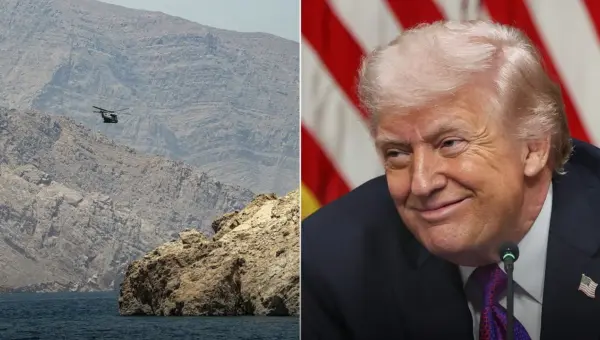
Trump Offers Oil Tanker Escorts Amid Hormuz Strait Freeze
The Trump administration has pledged military escorts and insurance for oil tankers navigating the Strait of Hormuz, as activity in the crucial shipping lane reportedly plunges 90%. However, shipping companies express skepticism, questioning the efficacy of these promises amid ongoing regional conflict. The market's resilience and potential political ramifications for upcoming elections are also under scrutiny.

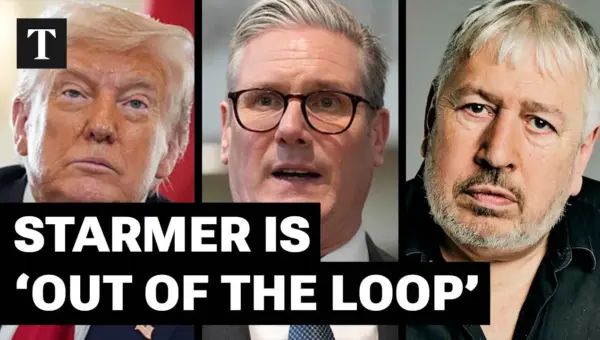
UK Defense Weakened: Starmer Out of Loop on US Policy
UK's foreign policy and defense capabilities are under intense scrutiny as global instability rises. Concerns are mounting over Keir Starmer's perceived lack of awareness regarding US foreign policy and significant gaps in the UK's naval presence in the Middle East, raising questions about national security and the nation's role on the world stage.

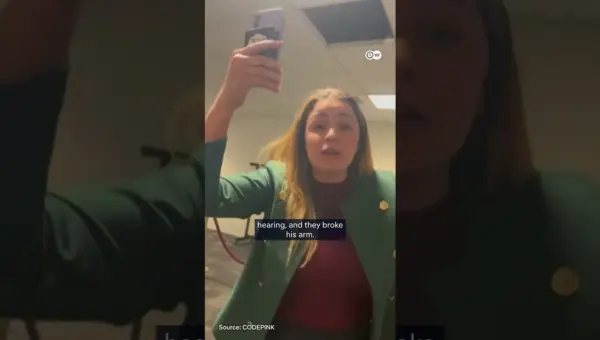
Marine Veteran Ejected for Iran War Protest at Senate Hearing
A former U.S. Marine veteran was removed from a Senate hearing after protesting against potential U.S. involvement in an Iran conflict, shouting "No one wants to fight for Israel." The veteran alleged his arm was broken during the forceful removal by Capitol Police, raising concerns about law enforcement's tactics.