Trump Addresses Congress Amidst Divisive Political Climate
President Donald Trump delivered his State of the Union address to a divided Congress amidst pressure from approaching midterm elections and a funding lapse at the Department of Homeland Security. The speech occurred against a backdrop of significant partisan division, with several Democrats opting to boycott the event for a counter-rally.

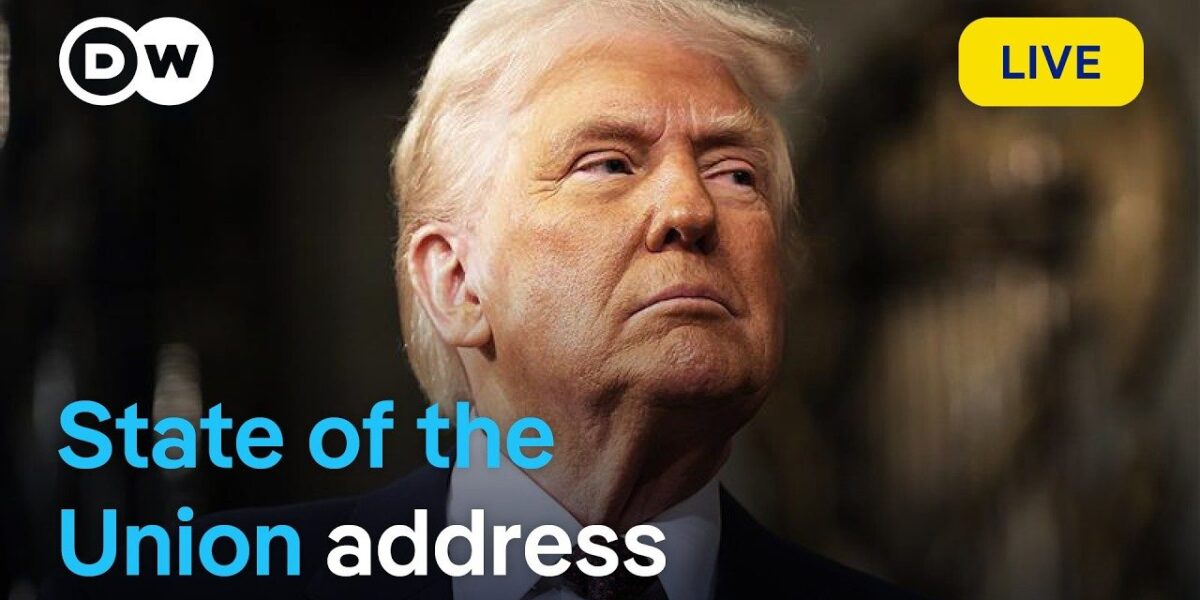
Trump Delivers State of the Union Amidst Midterm Pressure and Funding Stalemate
Washington D.C. – President Donald Trump delivered his State of the Union address to a joint session of Congress Tuesday night, facing a divided nation and mounting political pressure. The address, a pivotal moment for any sitting president, occurred against the backdrop of approaching midterm elections, with recent opinion polls indicating a majority of voters disapprove of his performance. Compounding the challenges, the speech also landed amidst a significant funding lapse at the Department of Homeland Security, a direct consequence of an ongoing standoff with Democrats concerning immigration enforcement policies. The White House had expressed hopes of avoiding such a contentious backdrop for the annual address.
A Divided Audience and Democratic Boycott
The atmosphere within the House chamber was palpably tense, reflecting the deep partisan divisions characterizing the current political landscape. Several prominent Democrats announced their intention to boycott the official State of the Union proceedings. Instead, they planned to attend a counter-event, dubbed the ‘People’s State of the Union,’ scheduled to take place on the National Mall. This parallel gathering underscored the significant schism between the two major parties and highlighted a deliberate effort by some Democrats to present an alternative vision and critique of the administration’s policies.
Key Themes and Policy Priorities
While the full transcript of President Trump’s address was not provided in the source material, State of the Union speeches traditionally serve as a platform for presidents to outline their administration’s achievements, articulate their vision for the future, and propose legislative priorities. Given the political climate, it is anticipated that Trump’s address would have touched upon key areas such as the economy, national security, immigration, and his administration’s broader agenda. The specific emphasis and tone of the speech would have been closely scrutinized for insights into his strategic focus heading into the critical midterm election period.
Immigration Dispute Casts a Shadow
The funding lapse at the Department of Homeland Security, stemming from disagreements over border security and immigration enforcement, cast a significant shadow over the proceedings. This dispute had led to a partial government shutdown and created uncertainty regarding the operational capacity of critical security agencies. The White House’s desire to avoid such a contentious issue during the State of the Union underscores the high stakes involved in the ongoing negotiations with Congress. The president’s remarks on immigration were expected to be a focal point, with both supporters and opponents keenly awaiting his proposed solutions or justifications for his administration’s stance.
Midterm Elections Loom
The timing of the State of the Union address, with midterm elections on the horizon, amplified its political significance. These elections are often viewed as a referendum on the president’s first term and can dramatically reshape the legislative landscape. Public opinion, as indicated by the provided polling data showing disapproval, presented a challenging environment for the president and his party. The speech would have served as a crucial opportunity for Trump to rally his base, persuade undecided voters, and set the narrative for the upcoming electoral contests. The effectiveness of his address in influencing public perception and voter turnout would be a key factor in the subsequent election outcomes.
Broader Implications and Future Outlook
President Trump’s State of the Union address is more than just a policy speech; it is a significant cultural and political event that shapes national discourse. The divisions evident in Congress and among the public, as highlighted by the Democratic boycott and the ‘People’s State of the Union,’ suggest a continued period of intense partisan struggle. The administration’s ability to navigate these challenges, particularly the ongoing immigration debate and the upcoming midterms, will be critical in determining its legislative success and political standing in the months and years ahead. The speech’s reception and the subsequent actions taken by both the administration and Congress will set the stage for the remainder of Trump’s term and the future direction of American politics.
Looking Ahead
Following the State of the Union address, attention will shift to the administration’s legislative agenda and the ongoing negotiations in Congress, particularly concerning immigration funding. The approaching midterm elections will undoubtedly dominate the political conversation, and the president’s performance and messaging during this period will be closely monitored. The effectiveness of his administration in bridging partisan divides, or alternatively, in mobilizing its base, will be crucial factors to observe as the political landscape continues to evolve.
Source: Live: Donald Trump delivers State of the Union address to US Congress | DW News (YouTube)
