Trump Acknowledges Policy Failure, Quietly Reverses Course
The Trump administration quietly eased immigration rules for farmworkers, admitting a policy error that threatened the U.S. food supply. This behind-the-scenes change offered a solution to farmers struggling with labor shortages, despite contradicting campaign promises.

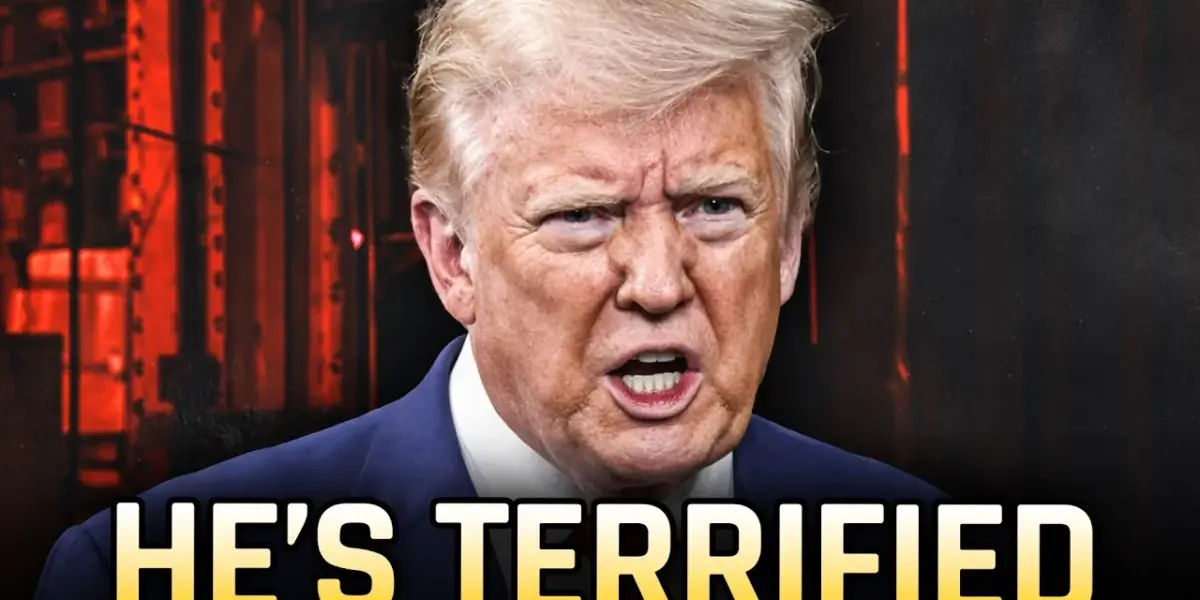
Secret Policy Shift Reveals Economic Blunder
Six months ago, the Trump administration faced a stark reality: a key policy was hurting the U.S. economy and threatening the nation’s food supply. Instead of a public apology, officials chose a quiet fix. This behind-the-scenes adjustment is now coming to light, revealing a significant U-turn on a core campaign promise.
Mass Deportation Promises vs. Farm Labor Reality
During his presidential campaigns, Donald Trump repeatedly promised mass deportations and the removal of immigrants from the United States. His administration implemented aggressive immigration enforcement, including frequent ICE raids. These actions, however, created a severe labor shortage, particularly in agriculture. Farmers, who depend heavily on immigrant labor, found themselves struggling to find workers willing to take the available jobs. This situation persisted for decades, with American workers largely unwilling to fill these roles.
“The only people they could really get to work for them were foreign migrants because Americans did not want to take those jobs.”
The Quiet Admission: Acknowledging the Mistake
Facing widespread complaints from farmers, many of whom supported Trump, the administration quietly acknowledged its role in the labor crisis. In October, officials recognized that their immigration policies had negatively impacted agricultural businesses. Rather than admitting fault publicly, they sought a discreet solution. The administration essentially told farmers, “We messed up, and here’s how we’ll try to fix it, but please don’t tell anyone.”
The H2A Visa Solution: Bringing Back Migrant Workers
The administration’s proposed solution was surprising: farmers should bring in migrant workers. This recommendation came despite the administration’s efforts to deport immigrants. Farmers were understandably confused, questioning how hiring the very people they feared being deported would solve the problem. The administration’s response was pragmatic: they had made a mistake, and the solution was to reverse course and facilitate the hiring of migrant workers.
Easing Visa Rules: A Costly Fix
To implement this change, the Department of Agriculture eased regulations and reduced costs associated with the H2A visa program. This program allows agricultural employers to bring foreign workers to the U.S. temporarily. The goal was to make it cheaper and easier for farmers to hire foreign labor. However, reports indicated that even with these changes, many migrant workers remained hesitant to come to the U.S. They feared deportation, even if their potential employers had not been directly targeted by ICE raids.
The Underlying Conflict: Policy vs. Ideology
This policy shift highlights a tension between the administration’s hardline anti-immigrant stance and the practical needs of the economy. The easing of H2A visa rules was a move opposed by some within the MAGA base, who advocate for stricter immigration controls and oppose the presence of Black and brown people in the country. Nevertheless, the administration proceeded, driven by the undeniable economic consequences of its earlier policies.
Why This Matters
This situation reveals a critical disconnect between political rhetoric and economic reality. The Trump administration’s commitment to mass deportations clashed directly with the needs of vital industries like agriculture. The quiet reversal of policy, while addressing an immediate economic problem, also exposes a potential hypocrisy. It suggests that when faced with tangible economic harm, even staunch ideological positions can be quietly set aside. This incident raises questions about the long-term sustainability of policies that ignore the labor needs of key sectors and the potential consequences of prioritizing political promises over economic stability.
Implications and Future Outlook
The quiet adjustment to the H2A visa program suggests that future administrations may face similar challenges. Balancing strict immigration enforcement with the labor demands of industries like agriculture will remain a complex issue. The reliance on foreign labor in sectors where American workers are scarce is a long-standing trend. Future policies will likely need to find more sustainable and transparent solutions that acknowledge this reality. The incident also underscores the importance of public accountability; had the administration been more open about the economic impact of its policies, a more collaborative and less secretive solution might have been possible.
Historical Context
The debate over immigration and its impact on the U.S. labor market is not new. Throughout American history, concerns have been raised about the role of immigrant labor in various industries. From the bracero program in the mid-20th century to current discussions about agricultural workforces, the need for foreign workers in specific sectors has been a recurring theme. This situation echoes past instances where political considerations have collided with economic necessities, leading to policy adjustments, sometimes made with little public fanfare.
Source: Trump Knows He Screwed Up And Hopes No One Notices (YouTube)

Related Articles

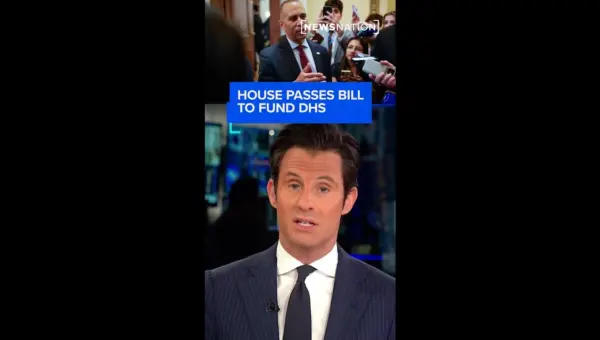
Congress Stalemate Threatens Border Security Funding
The U.S. House passed a temporary funding bill for the Department of Homeland Security, but Senate Democrats are expected to block it. This recurring stalemate highlights deep divisions over border policy and funding, potentially impacting national security and international perceptions of U.S. stability.
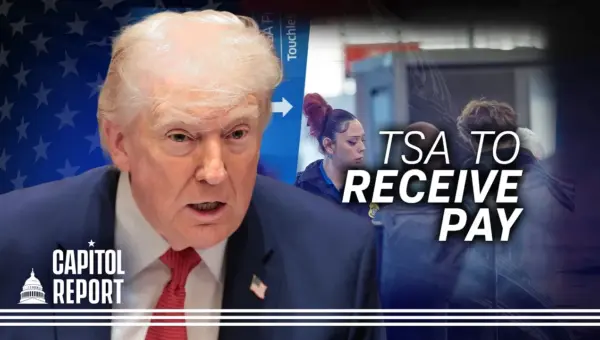
Congress Fights Over DHS Funds, Workers Face Pay Woes
House Republicans have rejected the Senate's DHS funding bill, proposing their own plan to fund the entire department. This has left many DHS workers, including TSA staff, without pay for weeks. President Trump has signed an order to provide back pay to TSA workers.
DOJ Official’s Remarks Spark Outrage Over Political Allegations
A top Trump DOJ official's speech at CPAC has sparked controversy, with claims of incriminating admissions regarding fears of prosecution and alleged political motivations. The remarks have raised serious questions about impartiality within the Department of Justice.