Trump Accused of War Betrayal as US Policy Shifts
Former President Donald Trump faces accusations of betraying his campaign promises on foreign policy, with critics citing potential U.S. involvement in escalating conflicts. Concerns are mounting over the implications for younger generations and the risk of a military draft.

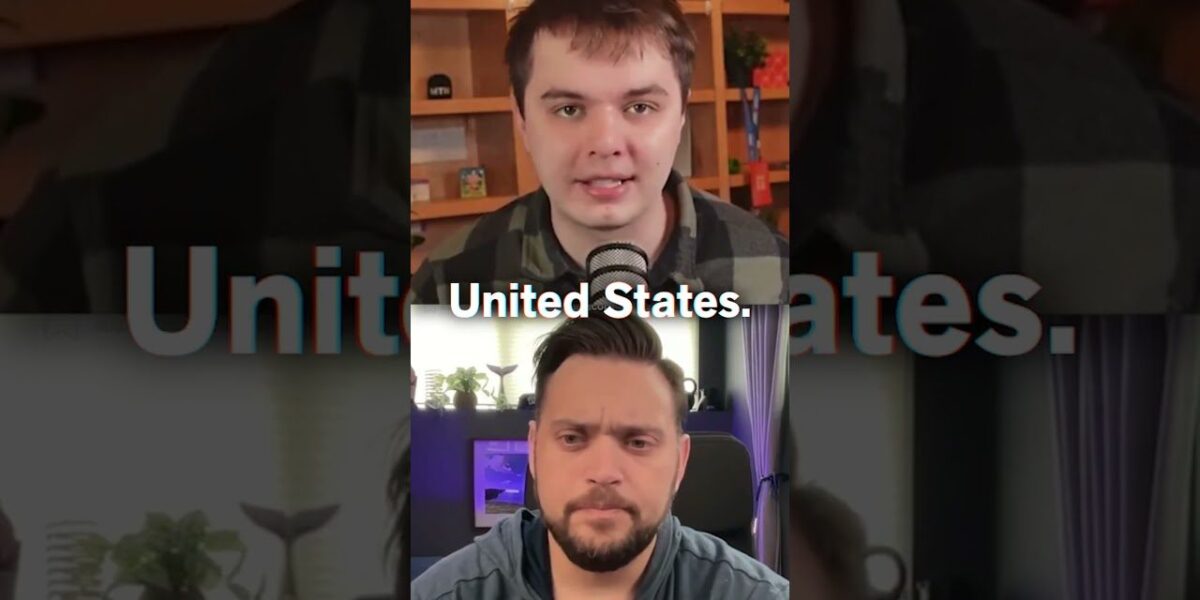
Trump Accused of War Betrayal as US Policy Shifts
In a striking development that has drawn sharp criticism, former President Donald Trump is facing accusations of a significant betrayal regarding his campaign promises on foreign policy, particularly concerning the initiation of new military engagements and the potential for escalating existing conflicts. The allegations center on a perceived shift in his stance, which critics argue contradicts his past declarations of seeking peace and avoiding new wars.
Campaign Promises vs. Current Stance
During his previous presidential campaigns, Donald Trump consistently articulated a platform that included a pledge to avoid engaging in new wars and even suggested ending existing military interventions. These promises resonated with a segment of the electorate hopeful for a less interventionist foreign policy. However, recent developments, including reports of potential joint military actions involving the United States and Israel, have led to accusations that Trump has reneted on these core commitments.
“This is the biggest betrayal in any modern campaign. Donald Trump ran on a few key promises. No new wars. We all saw him say that. He even said he would end some wars on his first day.”
The transcript suggests a widespread perception that not only has the promise of avoiding new wars been broken, but that the broader geopolitical landscape has worsened under the current administration, with inflation also failing to be curbed as promised. The focus, however, remains on the specific conflict and the United States’ potential involvement.
Escalation Concerns and Draft Risks
Reports indicate that Israel and the United States are reportedly preparing for more joint coordinated strikes. This potential escalation has been met with alarm, with critics arguing that such interventions are detrimental to American interests and that the nation should not be involved in enacting regime change on behalf of other countries. The situation is described as a “mess” and “not good for the United States.”
A particularly concerning aspect highlighted in the transcript is the potential risk to younger generations. The speaker, identifying as 23 years old, expresses deep anxiety about the possibility of a military draft, especially in light of public figures like Steven Miller discussing such measures. The fear is that individuals of their age group could be among the first to be conscripted if conflicts escalate.
“Donald Trump is gambling with our lives right now. I think it is disgusting, despicable, and not diplomatic.”
This sentiment underscores a fear that political decisions are being made with insufficient regard for the human cost, particularly for young adults who would bear the brunt of any potential draft. The accusation is that Trump’s current posture represents a risky gamble with the lives of young Americans, a move deemed “disgusting, despicable, and not diplomatic.”
Broader Implications and Unforced Errors
The situation is characterized as an “unforced war, an unforced error.” This framing suggests that the current trajectory is not a necessary consequence of external pressures but rather a result of policy choices that could have been avoided. The implications extend beyond the immediate conflict, raising questions about the reliability of political promises and the long-term consequences of interventionist foreign policy.
The criticism implies a broader pattern where stated intentions diverge from actions, leading to a loss of trust and increased instability. The involvement in international conflicts, especially when framed as “unforced errors,” can erode public confidence and potentially embroil the nation in prolonged and costly engagements.
Looking Ahead
As the situation develops, attention will remain focused on the actions of the United States and its allies in the unfolding conflict. The accusations of betrayal and the concerns over potential escalation and the risk of a draft will likely continue to fuel debate. Voters and analysts will be closely watching to see if Donald Trump clarifies his position or if further actions align with the criticisms leveled against him, potentially shaping future political discourse and foreign policy decisions.
Source: Trump War Betrayal Exposed #politics #fyp #new (YouTube)

Related Articles
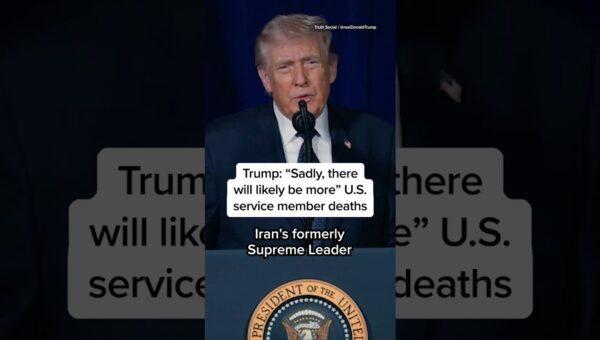
Trump Warns of More US Deaths in Escalating Conflict
Former President Donald Trump issued a somber warning on Truth Social, stating that further U.S. service member deaths are "likely" as geopolitical tensions escalate. He condemned Iran's former supreme leader, Ayatollah Ali Khamenei, and vowed retribution for fallen soldiers.

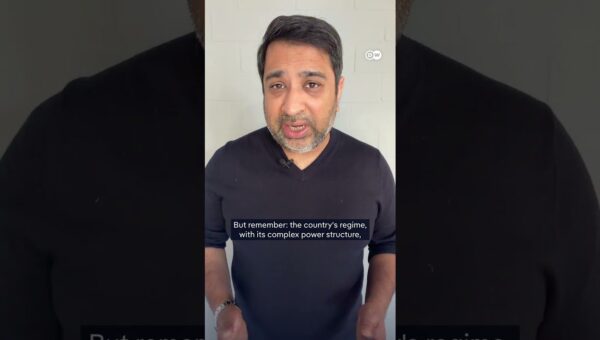
Trump Threatens “Unseen” Force on Iran After Leader’s Death
Following the assassination of Supreme Leader Ayatollah Ali Khamenei, U.S. President Donald Trump has vowed to unleash unprecedented force on Iran. While outlining ambitious goals including regime change, experts express skepticism about the effectiveness of airstrikes and the potential for popular uprising against a resilient Iranian government.
Senator Coons Questions Trump’s Iran Strategy After Troop Deaths
Senator Chris Coons has sharply criticized President Trump's strategy in Iran following the deaths of three U.S. service members. Coons questioned the intelligence regarding Iran's nuclear proximity and the lack of clear strategy and congressional debate for the "war of choice."