Trump Accused of Green-Lighting Israel in Lebanon Conflict
A ceasefire deal between the U.S. and Iran is under scrutiny as evidence suggests Lebanon was meant to be included, despite Israeli attacks continuing. Analyst Stephen Wertheim believes the Trump administration may have given Israel a 'green light' to proceed in Lebanon.

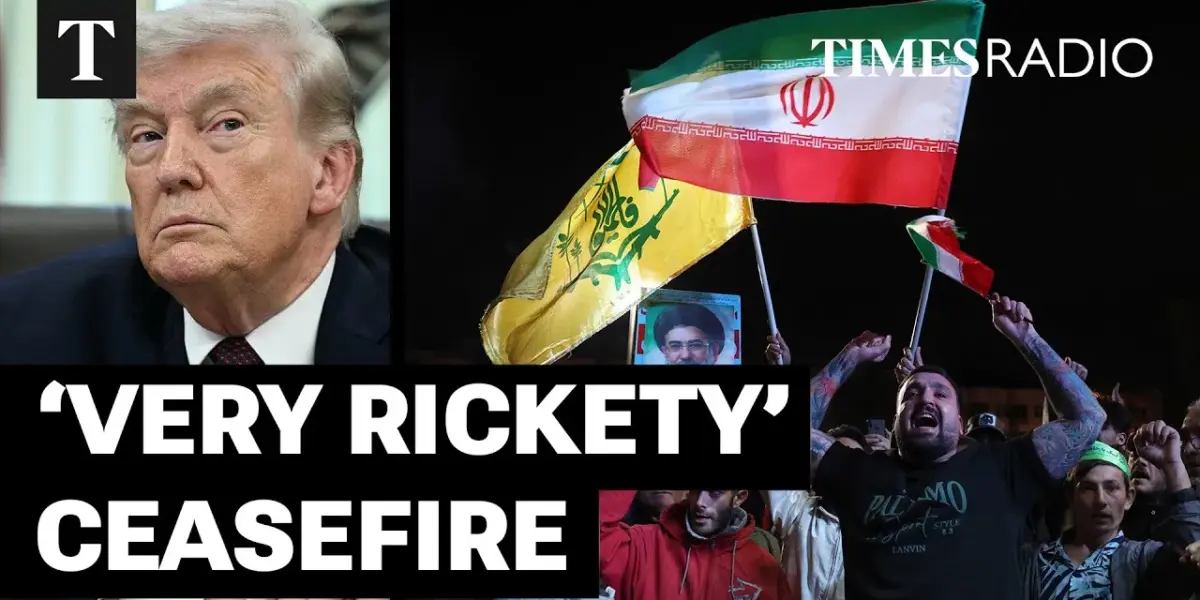
Ceasefire Deal Questioned Over Lebanon Inclusion
A recently announced ceasefire, intended to halt regional conflict, is facing serious doubts. The key issues appear to be the inclusion of Lebanon in the agreement and the opening of the Strait of Hormuz. Iran has labeled Israeli attacks on Lebanon as a major violation of the U.S.-Iran ceasefire. Meanwhile, former President Donald Trump has stated that U.S. forces will remain in the region until Iran fully complies with a true ceasefire.
European leaders, including those from the UK, have called for Lebanon to be part of the deal. Stephen Wertheim, a senior fellow at the Carnegie Endowment for International Peace, shared his perspective on the situation.
Evidence Suggests Lebanon Was Part of the Deal
Wertheim believes there is significant evidence pointing to Lebanon’s inclusion in the ceasefire agreement between the United States and Iran. He cited a statement from the Pakistani Prime Minister that appeared to come from the White House. This statement explicitly described the ceasefire as comprehensive and including Lebanon.
“We don’t really know what has happened,” Wertheim stated. “So, it’s possible that there was some finessing of the issue that got lost in translation, but that’s the visible evidence that we have.” He found it notable that Israel increased its attacks on Lebanon just hours after the ceasefire was announced.
Israel’s Actions and U.S. Response
Wertheim suggested that Israel might have been taking advantage of the situation, possibly knowing that a ceasefire in Lebanon was intended. This could have allowed them to inflict more damage before being restrained. However, he expressed pessimism about the Trump administration’s willingness to intervene.
“Unfortunately, it looks like that’s not what the Trump administration has done so far,” Wertheim said. He added that the ideal time to intervene would have been immediately after the ceasefire announcement. Instead, the White House stated that Lebanon was not part of the agreement, seemingly giving Israel a “green light” to continue its actions.
Trump described the conflict in Lebanon as a separate skirmish between Israel and Hezbollah. Wertheim speculated that the White House might be trying to pressure Iran. They could be forcing Iran to decide whether to adhere to a ceasefire while the conflict in Lebanon persists.
Strait of Hormuz and Ceasefire Instability
The ceasefire appears very fragile, according to Wertheim. He highlighted two main points that make it dubious: the situation in Lebanon and the Strait of Hormuz. Trump’s expectation was clearly that the Strait of Hormuz would be open for passage.
A White House spokesperson indicated that there should be no limitations on ships passing through the Strait and that tolls would be considered a form of restriction. However, data suggests that fewer ships passed through the Strait recently than in previous days. This indicates that Iran is not fully opening the Strait.
Even if Iran did open the Strait, Wertheim noted, it would take time for shippers to regain confidence in its openness. He suggested that these two issues might be linked. Both sides could potentially use them as leverage against each other.
European Pressure on Trump
European leaders, including the UK’s Foreign Secretary, have urged for Lebanon’s inclusion in the deal. Prime Ministers are also working to reassure Gulf states. Wertheim acknowledged that predicting Trump’s actions is difficult.
“Asking what will Trump do is always hazardous,” he stated. However, he hoped that the situation would force Trump to recognize the difficulty of proceeding without addressing the conflict in Lebanon. This conflict is causing political and economic costs. Wertheim believes Trump may realize there is no easy way out.
“But of course, you know, he doesn’t really care what others have to say for the sake of, you know, allied unity,” Wertheim added.
Concerns Over NATO and U.S. Troop Presence
The article also touched upon Trump’s criticisms of NATO allies for not supporting the U.S. sufficiently. Wertheim shared his view on Trump’s threats to withdraw from NATO or reduce the U.S. military presence in Europe.
“For my money, I don’t think Donald Trump wants to pull out of NATO,” Wertheim asserted. He believes Trump’s main goal is to pressure allies into increasing their defense spending. Leaving NATO or weakening the U.S. role would remove Trump’s platform for leverage.
Wertheim suggested that Trump’s actions are part of a larger strategy to berate allies for domestic political performance. He thinks Trump sees this as a cost-free way to create distractions. There are also reports of Trump considering moving U.S. forces from countries like Spain and Germany to more favorable locations.
“Classic Trump that doesn’t solve any strategic problems for the United States,” Wertheim concluded. He reiterated his belief that Trump’s actions are primarily for show and that Europeans may have less to fear than they think.
Looking Ahead
The coming days will be crucial in determining whether the ceasefire holds and if Lebanon is genuinely included in any resolution. The ongoing situation in the Strait of Hormuz also remains a key indicator of Iran’s compliance and leverage. International pressure, particularly from European allies, will continue to be a factor in shaping U.S. policy under the Trump administration.
Source: Donald Trump Accused Of Giving Israel ‘Green Light’ In Lebanon | Stephen Wertheim (YouTube)

Related Articles


Trump’s Wild Rants Expose a Presidency Adrift
Donald Trump's recent 'batshit crazy' outbursts, attacking former allies and reacting erratically to the Iran crisis, signal a leader adrift. Professor Scott Lucas argues this isn't diplomacy but desperate shouting, as geopolitical tensions escalate and traditional allies seek new paths.
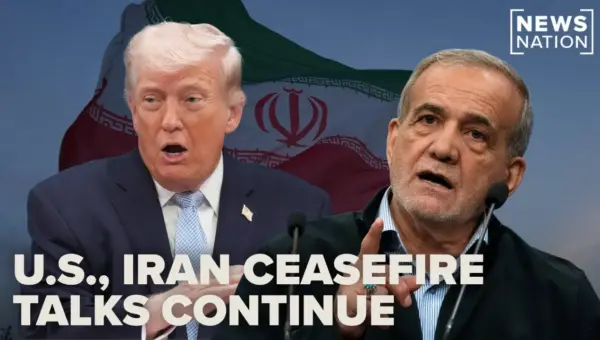
Iran Threatens Strait of Hormuz Amid Lebanon Strikes
Iran threatens to close the vital Strait of Hormuz in response to ongoing strikes in Lebanon. The US is trying to de-escalate, but actions on the ground remain a concern, potentially impacting global oil markets and future negotiations.

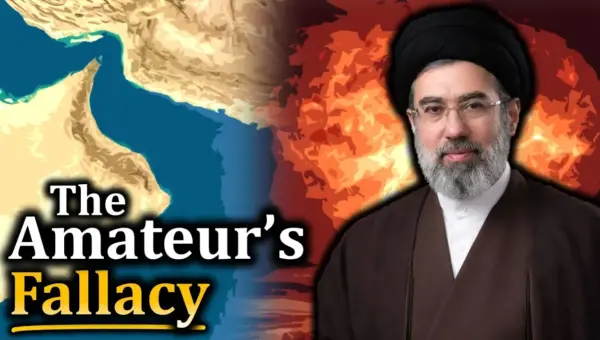
Iran’s Hormuz Threat: A Known Tactic, Not New
Recent conflict did not teach Iran a new tactic by threatening to close the Strait of Hormuz. Experts and Iranian planners have long understood this strategic leverage. The effectiveness of the recent shutdown was tied to global perceptions of the preceding conflict's instigator, not a newfound Iranian capability.