Trump: A Pawn in Middle East Power Plays?
A report suggests Donald Trump's administration was pushed into military action against Iran by Israeli and Saudi leaders. This analysis questions the autonomy of U.S. foreign policy and its susceptibility to external influence, painting a grim picture of potential long-term consequences.

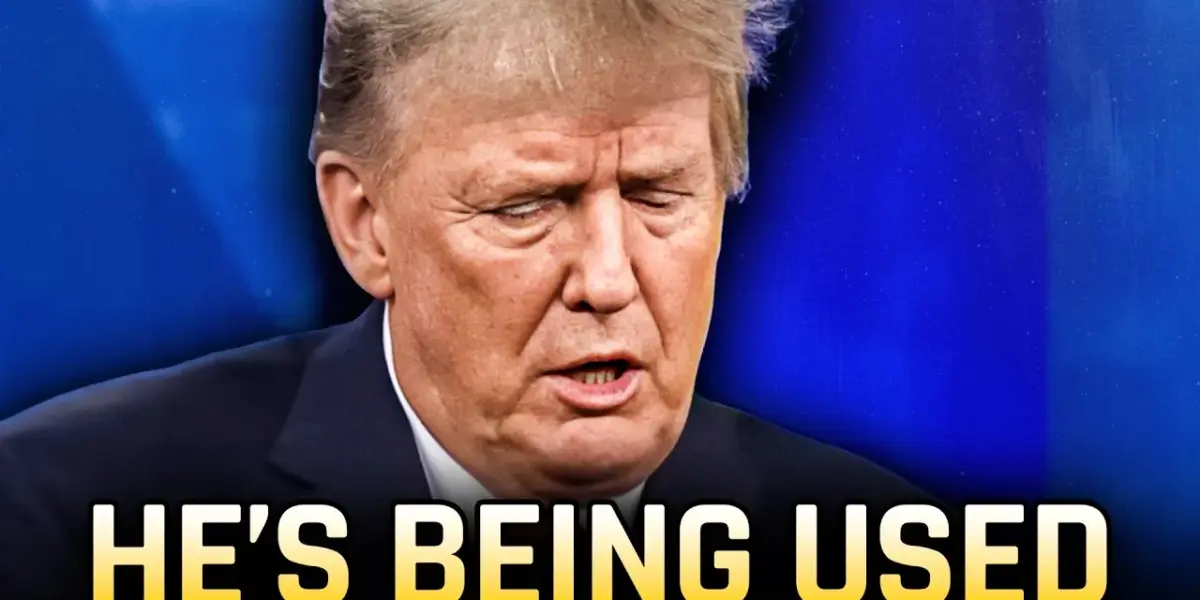
Trump’s Iran Stumble: Accusations of Foreign Influence
A recent report from The Washington Post, citing four sources within the administration, has ignited a firestorm of debate regarding the United States’ involvement in a recent conflict with Iran. The central, and highly contentious, claim is that this involvement was not a result of independent U.S. strategic interests, but rather a direct response to the urging of Israeli Prime Minister Benjamin Netanyahu and Saudi Crown Prince Mohammed bin Salman. This assertion paints a stark picture of American foreign policy being dictated by the desires of other nations, particularly those with questionable human rights records.
The “Attention-Seeking Child” Analogy
The analysis presented likens Donald Trump’s approach to foreign policy to that of a “little kid at the lunch table so desperate for attention that when somebody dares him to eat the gum off the bottom of the table, he’ll do it.” This provocative analogy suggests that Trump’s decisions are driven by a need for validation and a susceptibility to external pressure, rather than by calculated strategic thinking. The implication is that he is easily manipulated into taking actions that may not serve the best interests of the United States.
Questionable Allies, Questionable Motives?
The report specifically names Benjamin Netanyahu and Mohammed bin Salman as the architects of this alleged manipulation. Both leaders preside over governments that are frequently criticized for severe human rights abuses. The narrative posits that these leaders, possessing their own significant military capabilities, including nuclear weapons, leveraged their relationship with Trump to have the U.S. carry out military actions against Iran. The rationale suggested is that these allies wished to avoid the international backlash that would follow if they initiated such strikes themselves, opting instead to use the U.S. as a proxy.
“You have two countries run by two of the biggest human rights abusers on the planet, Benjamin Netanyahu and Muhammad bin Salman, and they’re telling us, you got to you got to bomb them. You got to kill them.”
The author emphasizes a distinction between the governments of Israel and Saudi Arabia and their respective populations. The critique is directed squarely at the leadership, absolving the general citizenry of blame. This nuance is crucial in understanding the argument that the U.S. is being drawn into conflict by specific political entities, not by the will of the people in those nations.
The “Dirty Work” and the “World Police”
The core of the accusation is that Netanyahu and bin Salman presented Trump with a request to “do our dirty work for us.” The transcript suggests these leaders, despite having the means to act independently, preferred to outsource the military engagement to the United States. The implication is that Trump, viewing himself as the “world police,” readily accepted this role, thereby shielding his allies from direct accountability.
The mention of Israel’s government announcing a “preemptive strike against Iran because we have nukes” highlights a perceived hypocrisy. The argument is that nations already possessing nuclear weapons are expressing concern over Iran potentially developing them, while simultaneously using their power to provoke conflict. This is framed as a justification for the U.S. to engage in aggressive action, with Trump allegedly falling for this reasoning.
A “Hulking Idiot” in a “Quagmire”?
The language used to describe Trump’s alleged compliance is harsh: “big dumb USA” and “hulking idiot.” This paints a picture of an American leadership that is not only easily deceived but also lacks the intelligence to discern genuine threats from manufactured ones. The consequence, according to this perspective, is that the U.S. is now “stuck” in a “quagmire” with “no idea what’s going on.” The assertion that “there are no intelligent people in this administration” and that “competent people from the military” have been purged further deepens the critique, suggesting a leadership vacuum at the highest levels.
Why This Matters
The implications of these allegations are profound. If true, they suggest a significant erosion of American sovereignty and strategic autonomy. The idea that U.S. military actions are being dictated by the agendas of foreign leaders, particularly those with problematic human rights records, raises serious questions about accountability, national interest, and the ethical underpinnings of American foreign policy. It points to a foreign policy driven not by American values or security concerns, but by the desires of a few powerful individuals in allied nations, potentially at the expense of American lives and resources.
Historical Context and Trends
This situation echoes historical instances where U.S. foreign policy has been influenced by powerful lobbies and the perceived interests of allies. The lead-up to the Iraq War, for example, was marked by intense lobbying and questionable intelligence, leading to a prolonged and costly conflict. The current allegations against Trump’s administration can be seen as a continuation of this pattern, where perceived alliances and personal relationships may supersede rigorous, independent strategic assessment.
The trend of leaders prioritizing personal relationships and perceived geopolitical advantages over a broader, more principled foreign policy is a concerning one. The transcript suggests a pattern where the U.S. is being used as a tool to advance the interests of specific regimes, while the costs and consequences are borne by the American people and the stability of the region.
Future Outlook
The future outlook, based on this analysis, is bleak. The assertion of a leadership void and the entrenchment in a protracted conflict suggest a long road ahead. The lack of “intelligent people” in the administration and the purging of competent military personnel, if accurate, point to a systemic issue that would be difficult to rectify quickly. This scenario forecasts continued instability in the Middle East, with the U.S. potentially locked into a cycle of intervention driven by external pressures rather than internal strategic clarity. The long-term consequences for regional peace and American global standing could be severe, potentially leading to decades of further entanglement and resentment.
Source: Idiot Trump TRICKED Into Attacking Iran (YouTube)

Related Articles
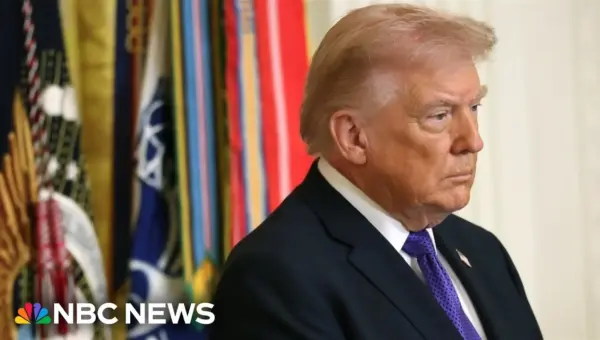
Iran Strikes: Talks Progressed Before U.S. Action, Say Negotiators
Negotiators involved in recent U.S.-Iran talks have contradicted claims that talks failed, asserting that progress was being made before military strikes commenced. Omani mediators and other Arab negotiators state that Iran did not walk away and that an opportunity for diplomacy was missed, raising questions about the justification for the U.S. military action.
Gulf States Must Act Amid US-Iran Uncertainty, Expert Urges
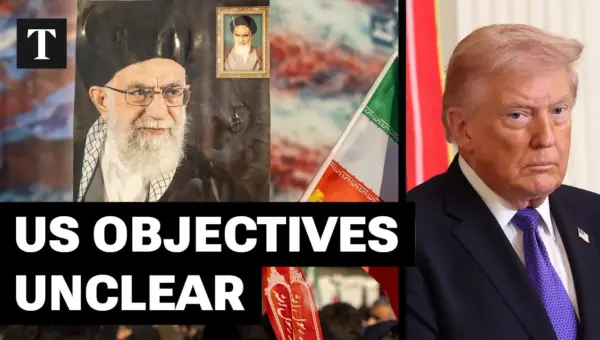
Gulf states must take a more active role in shaping regional security due to unclear US objectives regarding Iran, argues historian Bader Al-Saif. He stresses the need for comprehensive negotiations involving all regional players and warns against the chaotic consequences of regime change.
Conflicting Messages Emerge on Iran Conflict Goals, Duration
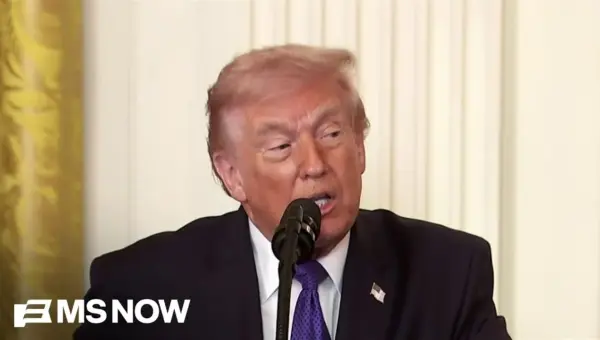
The Trump administration is facing scrutiny over conflicting messages regarding the ongoing conflict with Iran. Varying timelines for the duration of operations and divergent stated objectives, from destroying missile capabilities to regime change, are creating confusion. The human cost is also rising, with six U.S. service members killed in action.