Trillions in Debt: War Spending Mortgages Youth’s Future
A critical analysis of U.S. national debt reveals $1 trillion in annual interest payments, a burden disproportionately falling on younger generations. The piece questions current war spending and its impact on domestic investment and future economic stability.


The Alarming Cost of Interest: A Generational Burden
The United States is currently shouldering a national debt exceeding $35 trillion. While often discussed in terms of principal, a less frequently highlighted, yet critically important, figure is the annual interest payment on this debt. Shockingly, the U.S. spends a staggering $1 trillion per year solely on interest, not on reducing the debt itself. This colossal sum represents a significant drain on national resources, with projections from the Congressional Budget Office (CBO) indicating that by 2026, 15% of the federal budget could be allocated to interest payments alone.
Generational Divide and Political Accountability
The speaker, a 23-year-old, expresses profound frustration with how current fiscal policies, particularly those associated with former President Donald Trump and his administration, are burdening younger generations. While emphasizing that this is not an indictment of all older individuals, the sentiment is that a segment of older political figures, termed “neocon boomers,” are prioritizing short-term geopolitical engagements over the long-term economic stability of future Americans. This perspective frames the issue as one where the financial future of younger generations – including millennials and Gen Z – is being “mortgaged” to fund ongoing conflicts and tax cuts that disproportionately benefit the wealthy.
The Cycle of Middle Eastern Wars and Fiscal Irresponsibility
A central theme of the analysis is the recurring pattern of American involvement in Middle Eastern conflicts. The speaker argues that these interventions, often framed as necessary, have historically resulted in trillions of dollars spent with demonstrably poor outcomes. The current administration is accused of perpetuating this cycle by allocating substantial funds to new military engagements, even as domestic needs and investments are neglected. This is contrasted with the rhetoric surrounding fiscal responsibility, where extending programs like the Affordable Care Act (ACA) subsidies, which would cost an estimated $85 billion, is labeled as fiscally irresponsible, while billions are readily allocated to military operations.
“We have run this experiment time and time again with Middle Eastern wars. We have run this experiment time and time again with regime changes and it fails every single time. It fails so horribly that we’ve spent trillions of dollars in the Middle East already. Trillions of dollars that have been saddled on your generation.”
Misdirection and “Gaslighting” on Spending Priorities
The analysis delves into what the speaker perceives as a deliberate effort to mislead the public about national spending priorities. The accusation of “gaslighting” is leveled against figures who decry the cost of social programs while simultaneously advocating for increased military expenditure. The example of the ACA subsidies versus war funding highlights this perceived hypocrisy. The speaker questions the narrative that such wars are inevitable, suggesting they are often preventable through diplomatic choices and by resisting pressure from international allies. The notion of unforced errors in foreign policy is presented as a key driver of both human cost and financial burden.
Economic Realities vs. Rhetoric
The piece challenges the economic claims made by political figures, particularly regarding the potential revenue from tariffs. The speaker dismisses claims of vast sums readily available from tariffs as fabricated, suggesting that the money is, in reality, being channeled into military spending. This critique extends to the perceived lack of investment in domestic infrastructure and community development, citing examples like Gary, Indiana, as areas that could benefit significantly from federal investment. The argument is that resources are being diverted from tangible improvements at home to fund distant conflicts, with little demonstrable benefit to the American populace.
The Human Cost of Conflict
Beyond the financial implications, the analysis underscores the human toll of these conflicts. The speaker expresses deep distress over reports of civilian casualties, including children, resulting from military actions. The emotional impact of these events, compounded by the perceived lack of empathy from political leaders and the ongoing loss of American service members, is a significant point of contention. The narrative of inevitability in war is directly challenged, with the assertion that many conflicts are the result of specific policy choices that could have been avoided.
Why This Matters
The core of this analysis lies in the profound intergenerational inequity it exposes. The current trajectory of national debt and war spending places an immense financial burden on younger generations, potentially limiting their opportunities for economic mobility, education, and personal well-being. The discrepancy between the rhetoric of fiscal conservatism and the reality of massive war spending raises critical questions about national priorities and the accountability of political leadership. Furthermore, the human cost of prolonged military engagements, both for foreign civilians and American service members, demands a more critical examination of the justifications for war and the long-term consequences of interventionist foreign policy.
Implications, Trends, and Future Outlook
The trend of escalating national debt, fueled by both tax cuts and sustained military spending, suggests a future where interest payments will continue to consume an ever-larger portion of the federal budget. This could lead to reduced funding for essential domestic programs, increased taxes, or a combination of both. The cyclical nature of Middle Eastern conflicts and the political rhetoric surrounding them indicate a potential for continued entanglement, further exacerbating the debt crisis. The growing awareness and vocalization of intergenerational concerns, as seen in the transcript, may signal a shift in political discourse, with younger voters increasingly prioritizing fiscal responsibility and a reevaluation of foreign policy.
Historical Context and Background
The United States has a long history of both accumulating national debt and engaging in foreign conflicts. Post-World War II, the nation experienced periods of both economic growth and significant debt accumulation, particularly during the Cold War and subsequent military interventions. The post-9/11 era saw a substantial increase in defense spending and prolonged wars in Afghanistan and Iraq, which contributed significantly to the current debt levels. The debate over fiscal responsibility, balancing domestic spending with national security and foreign policy objectives, has been a recurring theme in American politics for decades. The speaker’s critique echoes historical concerns about the opportunity costs of war and the long-term economic consequences of unchecked military expenditure.
Source: Nobody is talking about this… (YouTube)

Related Articles

Americans Shun Iran War as Oil Prices Skyrocket
Americans are showing unprecedented discontent with the escalating conflict in Iran, with no "rally around the flag" effect despite soaring oil prices. Geopolitical analysts express shock at the public's apathy, noting a lack of clear communication from the White House regarding the war's objectives and rationale.
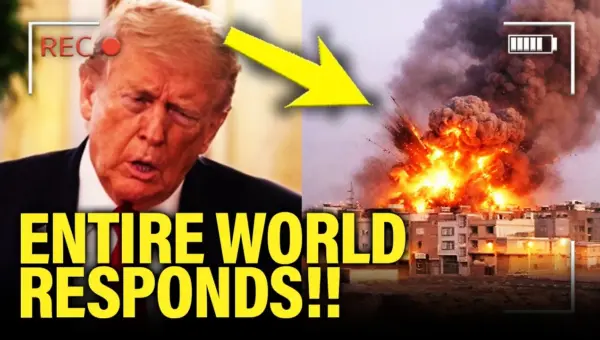
Trump’s Iran War Fuels Global Chaos, Russia Rejoices
Donald Trump's actions in Iran are reportedly backfiring, triggering a global economic crisis and escalating geopolitical tensions. The analysis suggests a severe shock to oil supplies, stock market crashes, and strained diplomatic relations, with Russia emerging as a significant beneficiary.

Trump’s Iran War Sparks MAGA Rift, Divides GOP
President Trump's Iran strikes have fractured the Republican Party, with critics citing a pattern of deception and questioning the 'America First' platform. Prominent conservative voices and analysts highlight growing dissent and the human cost of the conflict, while Democrats grapple with articulating a clear anti-war stance.