Trauma Recovery: Embrace Winter’s Calm for New Growth
Healing from trauma has seasons. Learn to understand and navigate the 'winter' phase of recovery, a necessary period of rest and integration that precedes new growth. This quiet time is crucial for lasting healing.

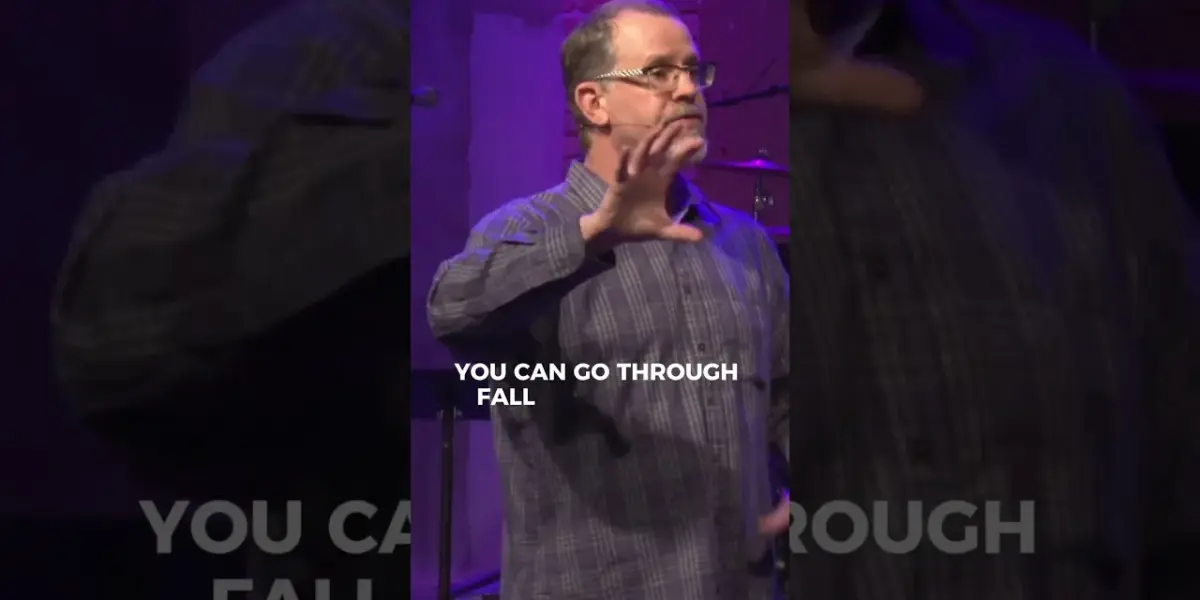
Trauma Recovery: Embrace Winter’s Calm for New Growth
Healing from trauma isn’t a straight line; it’s a cycle with seasons of progress and periods of quiet. Understanding these natural phases, particularly the challenging ‘winter’ of recovery, can help you navigate your healing journey with more hope and less discouragement. This perspective comes from insights shared by trauma recovery professionals who view healing not as a race to the finish, but as a natural process with its own rhythms.
Understanding the Seasons of Healing
Think of trauma recovery like the changing seasons. After a difficult period, you might enter a ‘spring’ of healing. This is a time of new beginnings and hope, where things feel fresh and vibrant. You learn and grow, experiencing a sense of innocence as you discover new strengths and coping skills. This ‘spring’ can bring beauty and a feeling that life is starting anew.
However, healing doesn’t mean you only experience ‘spring’ and then reach a perfect, permanent state of well-being. The process allows for revisiting these seasons. You might go through spring, summer, and fall multiple times, experiencing different phases of growth, integration, and reflection. It’s normal to have periods of joy and progress, followed by times that require deeper work or consolidation of gains.
Navigating the ‘Winter’ of Recovery
Crucially, every healing journey will likely encounter a ‘winter.’ This is a period where progress may seem to halt. You might feel a sense of coldness or darkness, and it can feel like nothing is growing or improving. This phase can be discouraging, making you question your progress and feel stuck. It’s a time when the external signs of healing might be minimal.
Winters in recovery are a normal part of life and the healing process. They are not a sign of failure or regression. Instead, they can be a time for rest, integration, and internal processing. Just as nature rests during winter, your mind and body might need a period of quiet to consolidate the changes made during ‘spring’ and ‘summer’ phases.
Why ‘Winter’ is Necessary
These periods of stillness are essential. They allow the deep work of healing to settle in. Without these quieter times, the rapid growth of ‘spring’ might not be fully integrated. ‘Winter’ provides a necessary pause, preventing burnout and allowing for a more sustainable recovery. It’s a chance to reflect on what has been learned and to prepare for the next cycle of growth.
Recognizing that ‘winter’ is a natural part of the healing cycle can significantly reduce feelings of isolation and frustration. It shifts the perspective from seeing a lack of outward progress as a setback to understanding it as a crucial, albeit difficult, stage of deep healing. This understanding can foster patience and self-compassion during challenging times.
Finding Hope in the Quiet
During a ‘winter’ phase, focus on self-care and gentle practices. This might involve mindfulness, journaling, or simply allowing yourself to rest without judgment. Connect with supportive friends or family, or seek professional guidance if the feelings of darkness become overwhelming. Remember that even when it feels like nothing is happening, your internal healing continues.
The key is to trust the process. The patterns of nature teach us that even the harshest winter eventually gives way to spring. Similarly, in trauma recovery, periods of difficulty are temporary. By accepting and understanding the ‘winter’ phase, you can emerge from it stronger, with a deeper and more resilient sense of self, ready for the next season of growth and renewal.
Key Health Takeaways
- Trauma recovery is cyclical, with natural phases like ‘spring’ (growth) and ‘winter’ (rest/integration).
- Experiencing a ‘winter’ phase, characterized by feeling stuck or a lack of progress, is normal and not a sign of failure.
- These quiet periods are crucial for consolidating healing and preventing burnout.
- Focus on self-care, rest, and gentle practices during ‘winter’ phases.
- Trust the healing process; difficult phases are temporary and followed by renewed growth.
This article is for informational purposes only and does not constitute medical advice. Always consult with a qualified healthcare provider for any health concerns or before making any decisions related to your health or treatment.
Source: In trauma recovery, spring always comes after a winter. (YouTube)

Related Articles


Social Media Giants Face Lawsuits Over Addictive Designs
Tech giants Meta and Google are facing significant legal challenges as juries find them liable for the addictive design of their platforms and the harm caused to young users. Recent verdicts in California and New Mexico have ordered the companies to pay millions in damages, highlighting concerns over mental health impacts and child exploitation.

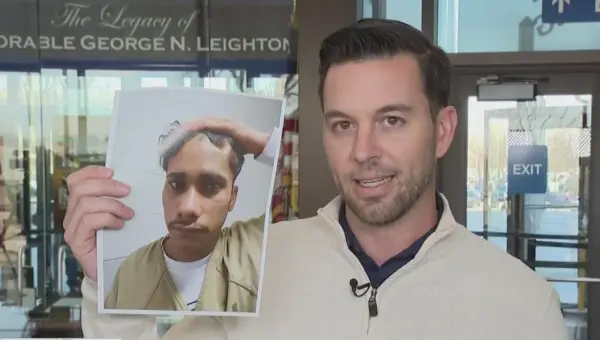
Immigration Debate Ignites Over Campus Killing
The detention hearing for Jose Medina, accused of murdering Loyola student Sheridan Gorman, has ignited a debate over immigration and mental capacity. Medina, an undocumented immigrant, will remain in custody. His defense cited head trauma and developmental delays, requesting jail time to prevent deportation and ensure due process.

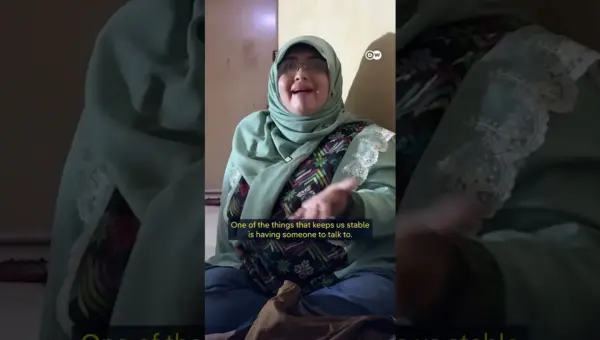
Indonesia Mental Health Centers Accused of Abuse, Survivors Speak Out
Survivors of Indonesian mental health facilities are speaking out about horrific abuse, including torture, sexual assault, and neglect. Organizations investigating the claims have documented over 200 cases, highlighting a widespread problem in institutions meant for care. The accounts reveal a critical failure to protect the rights and dignity of vulnerable patients.