Trauma Claims Questioned: Is ‘The Body Keeps the Score’ Misleading?
Bestselling author Bessel van der Kolk's "The Body Keeps the Score" links trauma to numerous health issues, but critics question the scientific basis for these claims. Research suggests cause-and-effect relationships may be overstated, and lifestyle factors could be more impactful for mental well-being.

Trauma Claims Questioned: Is ‘The Body Keeps the Score’ Misleading?
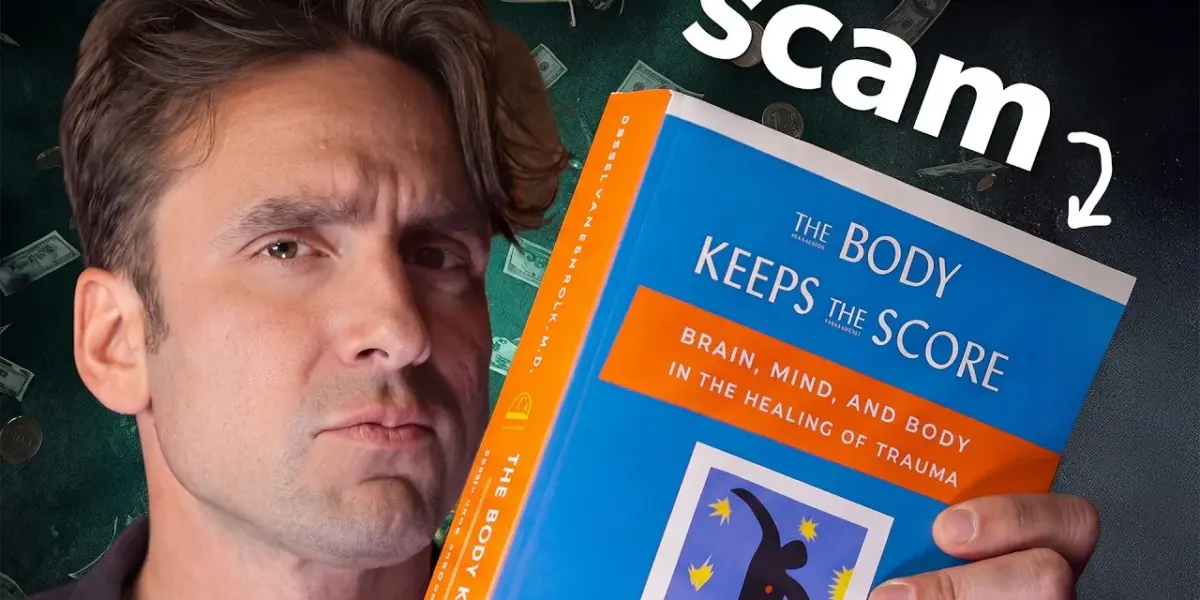
The idea that trauma is stored in the body and causes a wide range of physical and mental health issues is a popular one, largely thanks to Bessel van der Kolk’s best-selling book, “The Body Keeps the Score.” With its emphasis on how past experiences can affect our physical well-being, the book has resonated with millions and even secured a $10 million deal for a sequel. However, a closer look at the science behind some of the book’s core claims suggests that the connection between trauma and its supposed physical effects might be overstated or even misinterpreted.
Challenging Widely Accepted Ideas About Trauma
Bestselling author and psychiatrist Bessel van der Kolk has become a leading voice in the understanding of trauma. His book, “The Body Keeps the Score,” has been a fixture on bestseller lists for years, influencing how many people, including therapists, view mental and physical health challenges. Van der Kolk suggests that trauma is incredibly common, affecting more than half the population, and can be the root cause of various conditions, from autoimmune diseases and cancer to addiction and all mental health disorders. He posits that trauma can cause lasting changes in the brain, body, and hormones, even if the traumatic event itself isn’t consciously remembered.
The book argues that issues like gut problems, chronic pain, migraines, and fatigue could be linked to unprocessed trauma. This idea, that the body holds onto traumatic experiences, has gained significant traction. However, Dr. Michael Scaringi, a professor at Tulane University School of Medicine with nearly 30 years of experience researching and treating PTSD, has critically examined van der Kolk’s claims in his own book, “The Body Does Not Keep the Score.” Scaringi argues that van der Kolk often relies on cross-sectional studies, which provide a snapshot of a person’s brain at one point in time. This type of research makes it difficult to determine if observed brain differences existed before the trauma or were a result of it, leading to the possibility that the cause and effect are reversed.
Examining Specific Claims: The Insula and Amygdala
One of van der Kolk’s key arguments is that trauma negatively impacts the brain’s insula, a region involved in linking our bodily sensations to our emotions and self-awareness. Van der Kolk claims that most brain imaging studies of trauma patients show abnormal insula activation. However, Scaringi points out that many of these studies are cross-sectional. Furthermore, the research itself is contradictory, with some studies showing increased insula activity and others showing decreased activity. Crucially, one study that tracked insula activity before and after a traumatic event found no change, directly challenging the idea that trauma fundamentally alters this brain region.
Another area van der Kolk focuses on is the amygdala, often associated with fear and survival responses. He suggests that trauma leaves a core imprint on the amygdala, leading to a heightened sense of danger and altered behaviors. Again, Scaringi highlights that many studies cited are snapshots, failing to establish a before-and-after picture. While some studies show increased amygdala activity in people with PTSD, a significant number show no difference compared to those without PTSD. Two studies that did examine amygdala activity before and after trauma found no changes, casting doubt on the claim that trauma rewires this part of the brain.
Misinterpretations and Overstatements in Research
Beyond brain imaging, van der Kolk’s book makes broader claims about the physical effects of trauma. For instance, he suggests that traumatized children have significantly higher rates of asthma, citing a study that, according to journalist Emmy Nutfield, does not mention asthma at all. Similarly, claims about the social development of girls who have experienced sexual assault are described as “awful” and not representative of survivors by the researcher van der Kolk cited.
The book also discusses the idea of being stuck in “fight or flight” mode due to chronic stress hormones like cortisol. However, research on cortisol levels in individuals with PTSD is inconsistent. Meta-analyses of numerous studies have concluded that cortisol levels are generally normal in people with PTSD, contradicting the notion of a constant flood of stress hormones damaging the brain.
A significant concern raised is the potential for the nocebo effect – the opposite of the placebo effect. When individuals are told that trauma is common and has severe, lasting physical consequences, they may begin to experience or attribute their symptoms to trauma, even if the underlying cause is different. This is particularly relevant given van der Kolk’s assertion that trauma can exist and affect the body even without conscious memory.
Alternative Perspectives on Mental Health
While acknowledging that trauma can be a factor for some individuals, the article suggests that focusing solely on trauma might lead people to overlook other significant contributors to mental well-being. Research indicates that lifestyle factors play a crucial role. For example, a large meta-analysis found exercise to be more effective than SSRIs for depression. Cognitive Behavioral Therapy (CBT), which focuses on practical behavioral changes rather than solely on trauma resolution, is also highly regarded.
Furthermore, emerging research points to metabolic dysfunction as a potential root cause of many mental health conditions. Dr. Chris Palmer, a Harvard psychiatrist, has used ketogenic diets to help patients with severe, treatment-resistant mental illnesses achieve remission. This highlights the importance of physiological factors like diet, sleep, and exercise in managing mental health, suggesting that these practical steps might be more beneficial for many than solely focusing on past traumas.
Key Health Takeaways
- Bestselling author Bessel van der Kolk’s book “The Body Keeps the Score” suggests trauma is common and causes lasting physical and mental health problems.
- Critics argue van der Kolk often misinterprets or overstates scientific research, particularly by relying on snapshot studies that don’t establish cause and effect.
- Claims about trauma’s impact on specific brain regions like the insula and amygdala are not consistently supported by research, with some studies showing no changes after trauma.
- The idea that trauma leads to chronic stress hormone elevation is also debated, with meta-analyses suggesting normal cortisol levels in many with PTSD.
- The nocebo effect, where negative expectations can cause negative physical symptoms, may play a role when trauma is presented as universally damaging.
- Lifestyle factors like diet, exercise, and sleep are increasingly recognized as powerful tools for improving mental health, sometimes outperforming other interventions.
- Focusing on practical, physiological aspects of health may be more beneficial for many individuals than solely concentrating on resolving past traumas.
Disclaimer: This article is for informational purposes only and does not constitute medical advice. Always consult with a qualified healthcare professional for any health concerns or before making any decisions related to your health or treatment.
Source: Your therapist's favorite book is bullsh*t (YouTube)

Related Articles


Heal Trauma: Meet Your Needs for a Healthier You
Healing from complex trauma means learning to meet your 12 basic needs. This self-care process involves identifying physical, emotional, relational, and spiritual needs. While you'll learn to meet many yourself, asking for help is also crucial for recovery.


Heal Your Inner Child With These 7 Reassuring Messages
Discover how reparenting your inner child with seven key messages can help heal the wounds of complex trauma. Learn to offer yourself the safety, validation, and love you may have missed as a child.


Big Narstie’s Cannabis Company Faces Scrutiny Over Promotions
Grime artist Big Narstie's medical cannabis company is facing scrutiny for promoting prescription treatments, which is illegal in the UK. The company's website advised on how to qualify for medical cannabis, leading to concerns about the promotion of prescription drugs. This comes amid worries that medical cannabis is increasingly being prescribed for mental health conditions despite a lack of strong evidence, with potentially harmful consequences.