Traders Profit as Iran Conflict Riles Oil Markets
Unusual, massive trades in oil futures before potential Iran conflict suggest insider trading, highlighting regulatory challenges. Expert Tom explains how global markets make investigations difficult, potentially eroding public trust.

Markets Surge on Iran Tensions as Investigations Lag
Unusual trading activity in oil futures just before potential military action against Iran suggests some investors may have profited from non-public information. This raises questions about how these markets are regulated and if justice can be served when trades happen across the globe.
The Trading Frenzy
On a Monday morning, just before 7 AM, nearly 3,000 trades in oil futures occurred in a 15-minute window. This happened shortly after a public announcement. These trades involved a massive $1.5 billion. Such activity is highly unusual, especially at that hour and in such large volumes.
Insider Trading Concerns
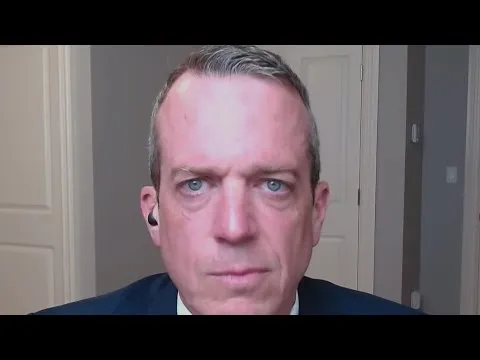
Tom, known as ‘Tipper’, who helped the FBI solve a major insider trading case, explained the issue. He stated that trading based on information not yet public is illegal. In the stock market, regulators like the SEC have tools to track and investigate these trades. However, the oil futures market is overseen by the CFTC. This agency has a smaller budget and less experience with insider trading cases compared to the SEC.
Challenges in Oil Markets
Investigating insider trading in oil futures is much harder. The problem is that oil futures are traded worldwide. Trades can be routed through places like London, Singapore, or Dubai. This makes it very difficult for investigators to trace specific trades back to individuals with inside knowledge. It requires significant resources, the power to issue subpoenas, and cooperation between countries.
Predictive Markets and Public Trust
The transcript also discussed ‘predictive markets’ like Polymarket. On these platforms, people bet on future events. Before recent strikes on Iran, there was a surge in bets that the U.S. would attack. This happened on specific dates in January and February. The expert believes such activity shows people betting because they have inside information. He stressed that insider trading laws are important. They help maintain trust in our financial systems. When people see others making huge profits from non-public information, especially when it affects gas and grocery prices, they lose faith in the fairness of the market.
A History of Missteps
The expert, Tom, admitted he was once an insider trader himself. He felt pressured by his industry, believing ‘everyone was doing it’. After being caught, he cooperated with the FBI. He then spent years trying to prevent similar behavior. He believes that owning up to mistakes is important. He also noted that insider trading seems to be migrating to platforms like Polymarket. This is because these platforms are simpler and easier to use for such activities. He also pointed out that insider trading is a known issue on Capitol Hill, as members of Congress are exempt from certain rules.
Global Impact: Why This Reshapes the World Order
The events described highlight a critical challenge in global finance: regulating markets across borders. When major geopolitical events, like potential military actions, trigger massive financial activity, the lack of robust international oversight becomes clear. This can lead to unfair profits for a few while potentially harming ordinary citizens through price volatility. It also erodes public trust in both financial institutions and governments. The ability of some to seemingly predict and profit from conflict raises serious questions about market integrity and the effectiveness of current regulations. This pattern could encourage more sophisticated attempts to exploit information, making global markets less stable and equitable.
Historical Context
Insider trading laws have been around for decades, aiming to create a level playing field. Early cases often involved corporate executives trading stock based on upcoming company news. The expansion of these laws to cover futures markets, especially in commodities like oil, reflects their growing importance. However, the global nature of modern trading presents a challenge that regulators are still trying to fully address. The difficulty in prosecuting cases involving international trading routes echoes past struggles with cross-border financial crime.
Economic Leverage and Consequences
The price of oil directly impacts global economies. Fluctuations affect everything from transportation costs to manufacturing. When large, potentially non-public, trades move these prices, it can have widespread economic consequences. Sanctions, trade dependencies, and control over energy routes are all key factors in geopolitical maneuvering. The transcript suggests that information about potential conflicts can be a powerful economic tool, allowing those with access to it to gain significant financial advantage.
Future Scenarios
One future scenario is that regulators will strengthen international cooperation and invest more in tracking global trades. This could make insider trading in oil futures more difficult. Another possibility is that predictive markets and similar platforms will become more common, making it harder to distinguish between legitimate speculation and illegal insider trading. A third scenario involves increased public demand for transparency, forcing governments and regulatory bodies to adapt and improve their oversight mechanisms to maintain trust in the financial system.
Source: Iran war: Who profited from before and after attacks? | On Balance (YouTube)

Related Articles
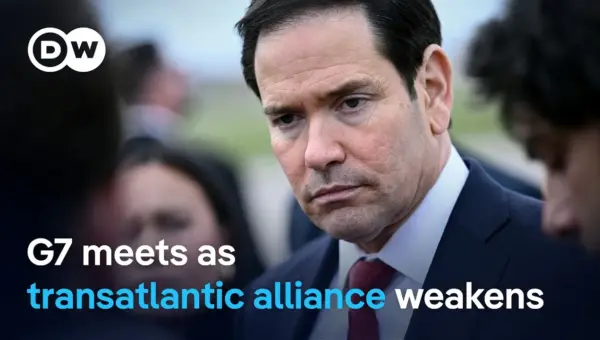
G7 Allies Clash Over Iran War Strategy, Urge Focus on Russia
G7 foreign ministers met in Paris, revealing deep divisions over the U.S. war with Iran. European allies urged the U.S. to pressure Russia, linking its actions to the conflict and fearing support for Ukraine will wane.
Iran Blocks China Ships, Exposing Beijing’s Weak Grip
Iran's recent decision to block Chinese ships at the Strait of Hormuz is exposing the limits of Beijing's influence in the Middle East. This action is causing delays and cancellations for Chinese manufacturers, turning a perceived geopolitical win into an economic strain.
Trump’s “Walk Away” Tactic Signals Tougher Stance on China
Retired Air Force Brigadier General David Stillwell believes President Trump's strategy of being willing to walk away from negotiations puts pressure on China. This tactic, combined with US global actions and strengthened alliances, signals a more assertive American foreign policy.