Tory Leader: No UK Troops in Iran, Boost North Sea Oil
Conservative leader Kemi Badenoch has ruled out sending British troops to Iran, citing extreme danger. She is launching a campaign to boost North Sea oil and gas drilling for energy security and financial stability. Badenoch also discussed defense spending and social cohesion policies.

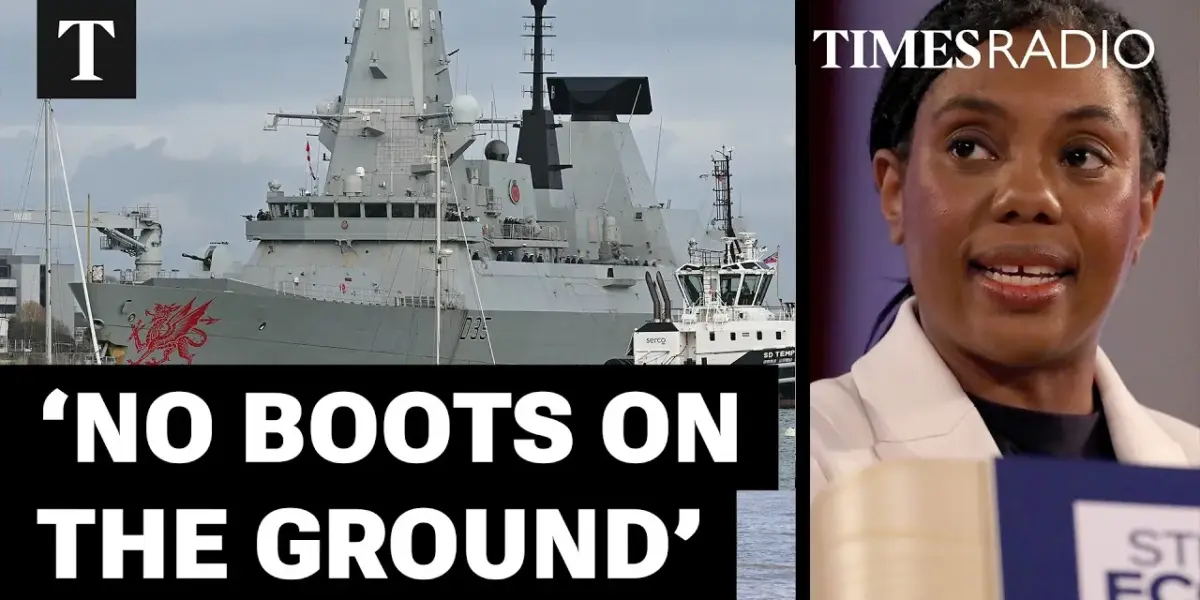
Tory Leader Rules Out UK Troops in Iran, Pushes for North Sea Oil
Conservative leader Kemi Badenoch stated clearly that British troops should not be sent to Iran, emphasizing the significant danger it would pose. She spoke on Sunday morning, outlining her party’s campaign to increase domestic oil and gas production. Badenoch also addressed concerns about national security and energy independence.
‘Build Baby Drill’ Campaign Launched
Badenoch detailed her party’s plan to boost Britain’s energy security. The campaign, which she described as ‘build baby drill,’ involves several key steps. These include ending the ban on new oil and gas drilling in the North Sea. It also calls for allowing investment in overseas oil and gas projects. A major part of the plan is scrapping the windfall tax, which Badenoch argued is driving businesses away and causing job losses. She believes drilling in the North Sea would provide both energy and financial security, contributing to overall national security.
Impact on Household Bills
When asked about the effect of increased North Sea drilling on domestic energy bills, Badenoch expressed disagreement with suggestions of minimal impact. She argued that bringing North Sea gas ashore before winter could significantly help consumers. The taxes collected from this drilling could amount to about 2.5 billion pounds annually. This revenue, she proposed, could be used to subsidize household bills and lower costs. Badenoch pointed out that many components of household bills are actually taxes imposed by the government.
Balancing Renewables and Fossil Fuels
Badenoch clarified her stance on renewable energy, stating she is not against it. However, she questioned the logic of stopping oil and gas use and drilling for renewables that are not yet fully established. Her vision for energy security includes a mix of nuclear power, renewables, oil, and gas. She highlighted a ‘cheap power plan’ designed to save households around £160 per year. This plan involves removing some ‘green taxes’ that she feels negatively impact people’s incomes and the cost of living without effectively addressing climate change or helping achieve net-zero goals. Businesses, she added, would see even greater savings.
Fracking and Local Decisions
On the topic of fracking, Badenoch reiterated her long-held view that decisions should be made at the local community level. She acknowledged that fracking can be disruptive to local areas and noted that many proposed sites have faced local opposition. Badenoch suggested that the current incentive structure for fracking might need review. “It should be something that local communities decide,” she stated, emphasizing local autonomy in such decisions.
Critique of Current Government on Energy and Defense
Badenoch criticized the Prime Minister for being unprepared for the current international tensions, particularly regarding Iran and the Gulf region. She stressed that British national interest must be the top priority. While acknowledging the US position, she stated the UK cannot side with Iran, calling it an enemy of the country. She expressed concern that the Prime Minister seemed caught off guard, despite warnings. Badenoch highlighted that operational decisions, like naval involvement in the Strait of Hormuz, require specific security information she does not possess. She pointed out that defense plans are in limbo, with a strategic defense review halted and a needed defense investment plan still outstanding for over a year. This lack of planning, she contrasted with the government’s long-term welfare spending plans, makes informed decisions difficult.
Defense Spending Proposals
The Conservative party aims to increase defense spending to 3% of GDP by the end of the current parliamentary term. Badenoch acknowledged this is an ambitious target, requiring difficult choices. She proposed a ‘sovereign defense fund’ to redirect money from net-zero projects into defense. This fund could potentially raise between 17 to 50 billion pounds by involving the private sector, similar to current net-zero funding models. Additionally, her party plans to reinstate the two-child benefit cap, channeling those funds directly into the armed forces to boost troop numbers, including reserves and regulars. “We need to make sure that we’re spending our defense funding on actual defense, not on the peripheral projects that end up being countered,” she explained.
Addressing Concerns on Defense Investment
Responding to military experts who question the seriousness of both major parties regarding defense investment, Badenoch cited historical trends. She noted that defense spending decreased annually from 1989 until 2022, based on a belief in peace. Spending began to increase under the Conservative government only as the war in Ukraine loomed. She argued that funds have been shifted from defense to welfare, which is why her party advocates for tough policies to reduce the welfare bill. “It may not be popular in certain quarters, but that’s an example of the kind of serious decision-making that needs to be made if we’re going to fund our defense,” she stated.
Future Commitments and Funding Transparency
Regarding potential defense spending beyond 3%, Badenoch emphasized a commitment to a golden economic rule: ensuring all proposed spending is fully funded. She stated it’s dishonest to commit to an amount without a clear funding plan. “It is about showing exactly where we would be getting the money from,” she asserted, differentiating her party’s approach from others. Currently, they are making initial steps towards the 3% target, not yet fully there.
Stance on Burqa and Social Cohesion
Badenoch addressed reports about potentially banning the burqa, calling it a complex issue. She mentioned a culture and integration commission that will examine various matters. While some support a burqa ban, she expressed skepticism about its effectiveness, noting France’s experience. Her primary concerns lie with practices like cousin marriage, which she believes contribute to separatism. She clarified that the garment commonly referred to in discussions is often the niqab, not the burqa, which is less common in the UK. Badenoch stressed the need for increased cultural literacy to ensure accurate discussions and avoid banning items that are not widely used. Her focus is on enhancing social cohesion.
Charity Funding and Lobbying
On the issue of political party funding, Badenoch supported regulations to address suspicious behavior or undue influence, while maintaining that British citizens should be able to support political parties. She also commented on reports of the Scottish National Party using grants to charities for lobbying. Badenoch firmly stated that taxpayer money should not fund charities to lobby the government. “Charities should not be funded by the government to lobby the government. That taxpayers money should not be used to buy support in that way,” she declared. She believes charities should rely on private donations, and if they are working for the government, they may not function as true charities.
Source: Kemi Badenoch: No British Boots On The Ground In Iran (YouTube)

Related Articles


Trump’s Iran War Claims: Diplomacy or Delusion?
President Trump's claims about winning the war with Iran and ongoing peace talks are met with denials from Iranian officials. His communication style blurs decision-making and public messaging, creating confusion. This raises concerns about strategic clarity and accountability in international crises.
Yemen’s Houthis Escalate Middle East Conflict With Israel Strike
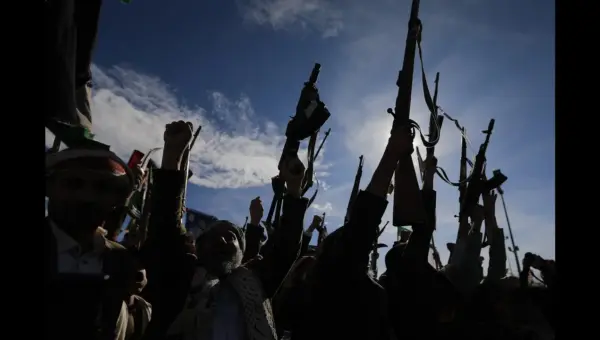
Yemen's Houthi rebels, backed by Iran, have directly attacked Israel with a missile, marking a significant escalation in Middle East tensions. While Israel intercepted the missile, the move signals a broader regional conflict drawing in more actors.

Iran Shuns China’s Peace Plan, Straining Global Trade
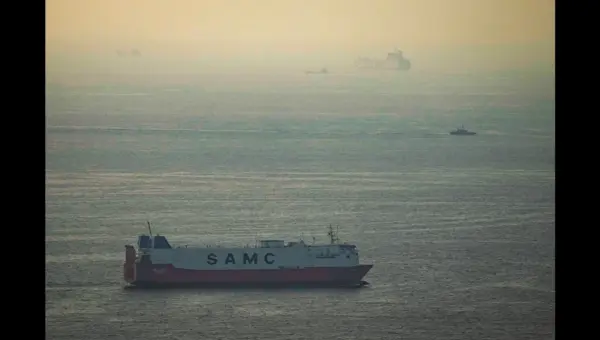
Iran has rejected China's attempt to mediate the ongoing war, a move that insiders say is hindering Beijing's global ambitions. The decision also impacts trade, as Iran restricts Chinese cargo ships in the Strait of Hormuz, driving up prices in China.