Top Official Quits, Citing ‘Disastrous’ Iran War
A top national security official has resigned, citing "disastrous" war in Iran and accusing Israel and its lobbyists of pushing the U.S. into conflict. The departure highlights deep divisions within the Trump administration and raises serious questions about the war's justification and its long-term implications.

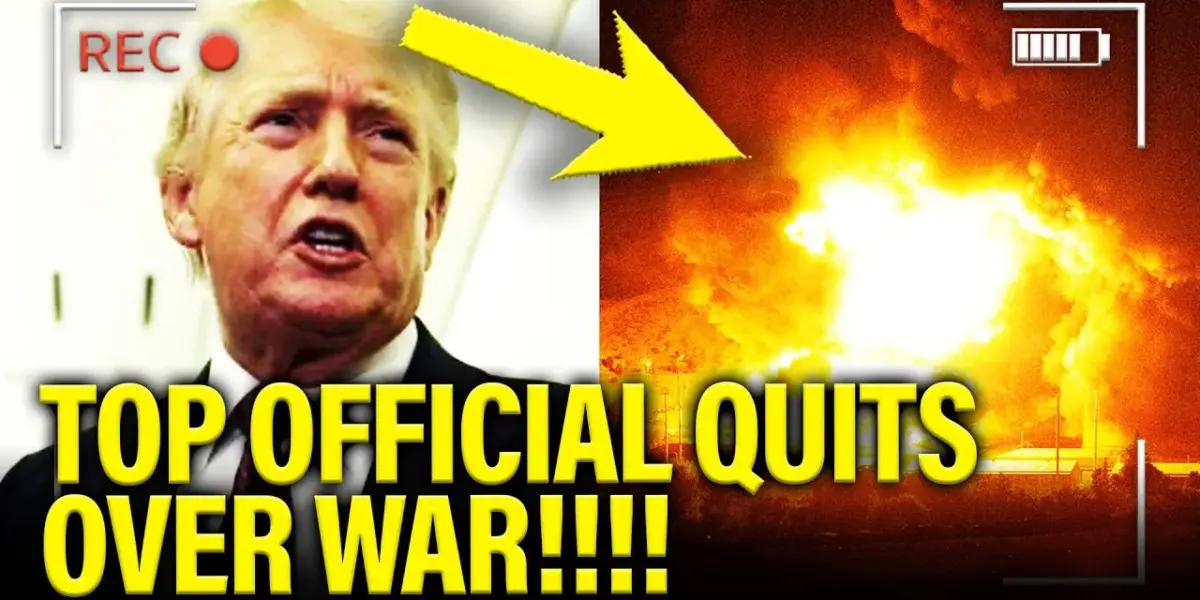
Top Official Quits, Citing ‘Disastrous’ Iran War
A significant resignation is shaking the political landscape, with a high-ranking official in Donald Trump’s administration stepping down. Joe Kent, Director of the National Counterterrorism Center, has resigned, stating he can no longer support the ongoing war in Iran. He believes Iran did not pose an immediate threat and that the war was started due to pressure from Israel and its powerful American lobby.
Kent, a combat veteran and a Gold Star husband, is well-respected within the MAGA movement. His departure is sending shockwaves through Trump’s supporters. This event comes at a time when the situation in Iran is worsening, and the United States finds itself in a difficult conflict of Trump’s making.
A Veteran’s Resignation Letter
In his resignation letter, Kent expressed his respect for Trump’s past promises to avoid new Middle East wars. He wrote, “I support the values and foreign policy that you campaigned on in 2016 2020 2024 which you enacted in your first term until June of 2025.” Kent believes Trump understood that the wars in the Middle East were a trap that drained American lives and resources. He pointed to the killing of Qasem Soleimani and the defeat of ISIS as examples of Trump’s ability to use military power effectively without getting drawn into prolonged conflicts.
Kent also alleged that early in the administration, Israeli officials and parts of the American media launched a misinformation campaign to push for war with Iran. He stated this was a lie and a tactic used to draw the U.S. into the disastrous Iraq war. As a veteran who deployed 11 times and lost his wife in a war he believes was manufactured by Israel, Kent feels he cannot support sending more young people to fight in a war that offers no benefit to Americans.
Concerns Over Escalation and Alliances
The situation is drawing concern from international allies. The Vice President of the European Union Commission’s foreign minister stated, “We just really don’t understand what the United States is doing.” She added that dealing with the U.S. now requires accounting for its unpredictability, as it is no longer seen as a rational actor.
Meanwhile, reports indicate that the USS Gerald R. Ford aircraft carrier, which has been deployed for nearly a year, will remain in the Middle East until May. This extended deployment, following a serious fire on board in March, suggests the conflict is expected to last longer than anticipated. Other carriers are also experiencing issues due to the strain of prolonged deployments.
Differing Perspectives on the Conflict
Republican Speaker of the House Mike Johnson defended the administration’s actions, stating that intelligence indicated an imminent threat from Iran regarding nuclear capabilities and rapid missile development. He believes that waiting to strike would have resulted in mass casualties among American service members and damage to U.S. installations. Johnson questioned Kent’s information, suggesting he was not privy to the classified briefings.
However, others are trying to downplay the significance of troop deployments. Pete Sessions, a Republican congressman, argued that sending 2,500 Marines to secure an island in the Strait of Hormuz is not the same as putting troops on the ground in a combat zone within Iran. He sees it as a wise move to ensure oil flow and prevent Iranian actions, not a direct engagement in a messy conflict.
Economic and Humanitarian Concerns
The economic impact of the conflict is also being discussed. Kevin Hassett, Trump’s former national economic adviser, suggested that the war, while it might hurt consumers, would not significantly disrupt the U.S. economy. He stated that consumers are “the least of our concerns right now.” This statement has drawn criticism for appearing to dismiss the impact on everyday Americans.
Further complicating matters, a Trump administration rule is set to cause around 200,000 immigrant truckers to lose their commercial driver’s licenses. This could strain the trucking industry, which is crucial for moving goods, especially as energy costs rise due to the war. Additionally, there are reports that the U.S. is considering withholding HIV aid from Zambia unless the country expands mineral access, a move criticized as potentially harmful and politically motivated.
Why This Matters
Joe Kent’s resignation is a significant event because it comes from within Trump’s own circle and highlights a deep division on foreign policy. It raises serious questions about the justification for the war in Iran and the influence of foreign interests on U.S. decisions. The continued military presence in the Middle East, the strain on naval assets, and the international community’s confusion about U.S. actions all point to a complex and potentially escalating situation.
The differing views within the U.S. government and among its allies on the necessity and strategy in Iran suggest a lack of clear consensus. Kent’s letter, in particular, provides a stark contrast to the official narrative, emphasizing concerns about deception and the human cost of war. The economic consequences, though downplayed by some, could have real-world effects on American consumers and industries. The potential for further isolation of the U.S. on the global stage and the impact on humanitarian aid efforts are also critical factors to watch.
Implications and Future Outlook
The resignation of a high-ranking official like Joe Kent could embolden others who share his concerns, potentially leading to more dissent or scrutiny of the administration’s foreign policy. The extended deployment of naval assets indicates a long-term commitment to the region, suggesting that de-escalation may not be imminent.
The international reaction, particularly from European allies, highlights a growing disconnect between U.S. policy and the views of its traditional partners. This could weaken diplomatic efforts and create opportunities for other global powers to exert influence. The statements from Iranian officials, accusing the U.S. of acting under Israeli influence and warning of a changing security landscape, suggest a hardening of positions on both sides.
Historical Context
The current situation echoes past conflicts in the Middle East, where the U.S. has been drawn into prolonged engagements based on intelligence that later proved to be flawed or manipulated. The reference to the Iraq War in Kent’s letter is particularly relevant, as it serves as a cautionary tale about the devastating consequences of entering into conflict without clear justification and a well-defined exit strategy.
The alleged influence of specific lobbying groups and foreign governments on U.S. foreign policy decisions is a recurring theme in American political history. Understanding these dynamics is crucial to analyzing the motivations behind current actions and predicting future outcomes. The debate over military intervention versus diplomatic solutions has been ongoing for decades, and the current events in Iran bring this debate to the forefront once again.
Source: Trump PANICS as Top Official QUITS OVER WAR!! (YouTube)

Related Articles
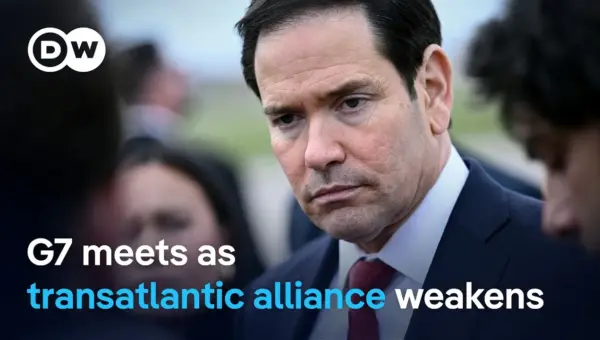
G7 Allies Clash Over Iran War Strategy, Urge Focus on Russia
G7 foreign ministers met in Paris, revealing deep divisions over the U.S. war with Iran. European allies urged the U.S. to pressure Russia, linking its actions to the conflict and fearing support for Ukraine will wane.


US Must Block China’s Tech Access for Security
US national security experts are raising alarms about China's access to advanced AI chips, arguing it threatens strategic advantages. This, coupled with charges against Chinese entities for fentanyl precursor sales and a ban on foreign routers, signals a growing effort to prioritize security over business ties.
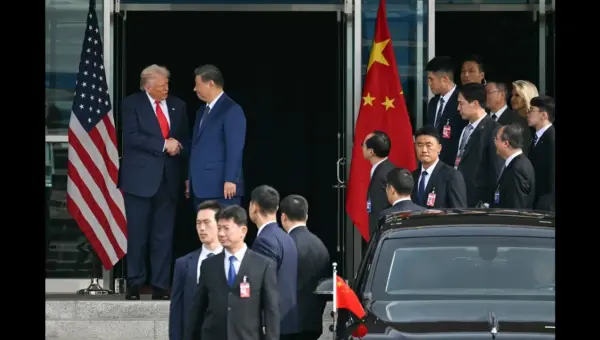
Trump’s “Walk Away” Tactic Signals Tougher Stance on China
Retired Air Force Brigadier General David Stillwell believes President Trump's strategy of being willing to walk away from negotiations puts pressure on China. This tactic, combined with US global actions and strengthened alliances, signals a more assertive American foreign policy.