Top Mexican Cartel Leader ‘El Mencho’ Killed in Operation, Sparking Widespread Violence and Flight Cancellations
The killing of top Mexican cartel leader 'El Mencho' has triggered widespread violence and fear across Mexico, leading to flight cancellations and impacting tourism. The operation, aided by U.S. intelligence, marks a significant blow to the powerful Jalisco New Generation Cartel but raises concerns about further instability.

Elusive Cartel Kingpin’s Demise Triggers Chaos Across Mexico
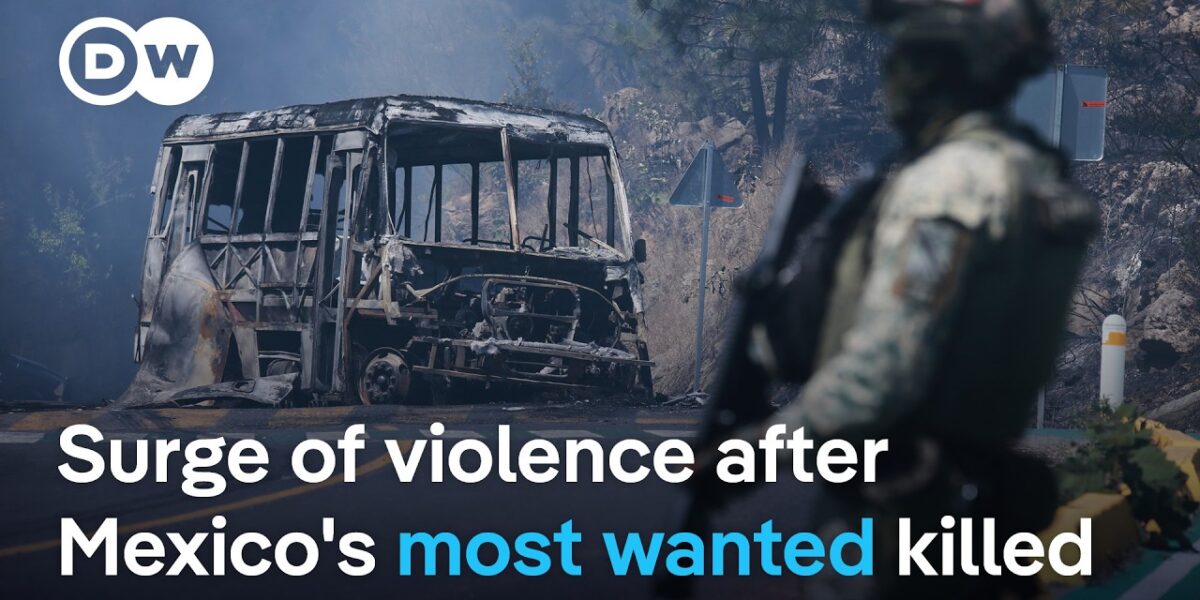
In a significant development that has sent shockwaves across Mexico and the United States, Mexican forces have reportedly killed Nemesio Oseguera Cervantes, widely known as ‘El Mencho,’ the elusive leader of the Jalisco New Generation Cartel (CJNG). The operation, reportedly aided by intelligence from the U.S. embassy, has ignited a wave of violence, with cartel members engaging in acts of arson and blocking major highways in at least half a dozen Mexican states. The ensuing chaos has led to the cancellation of dozens of flights to Mexico by U.S. and Canadian airlines, underscoring the immense magnitude of El Mencho’s death and the power of his organization.
A High-Value Target and a Sophisticated Criminal Enterprise
El Mencho was one of the most wanted fugitives in both Mexico and the United States, with a combined bounty of approximately $35 million placed on his head by the two governments. His demise represents a major blow to one of the most sophisticated and violent criminal organizations to emerge in recent years: the Jalisco New Generation Cartel (CJNG). Formed in 2009, the CJNG has gained notoriety for its brazen tactics, including the use of advanced weaponry such as drones and rocket-propelled grenades in its operations. The cartel’s reach is extensive, reportedly operating in 50 states across the U.S. and involved in the trafficking of vast quantities of illicit drugs, including fentanyl, cocaine, and methamphetamine. The organization’s deep ties to organized crime further amplify its influence and the threat it poses.
Operation Details and President López Obrador’s Stance
The operation that led to El Mencho’s death occurred in Tlaquepaque, a city located about a two-hour drive southwest of Guadalajara, the capital of Jalisco state, which is the primary stronghold of the CJNG. According to reports, the Mexican army initiated the operation early in the morning with the intention of arresting El Mencho. However, the infiltration of his location resulted in a shootout, during which seven cartel members were killed. El Mencho himself was injured and airlifted towards Mexico City, but he reportedly died en route in the aircraft. This development comes despite Mexican President Andrés Manuel López Obrador’s past skepticism regarding the strategy of targeting cartel leaders, a stance he has argued can create power vacuums, leading to further fragmentation of cartels and increased violence.
President López Obrador’s administration has faced significant pressure from the Trump administration to intensify efforts against drug trafficking organizations, particularly in light of the ongoing fentanyl crisis in the United States. The U.S. embassy in Mexico confirmed that it provided intelligence to Mexican special forces for the operation, highlighting a degree of cooperation between the two nations. The exact level of U.S. involvement remains unclear, but it is understood to be distinct from direct military raids. Questions have also arisen regarding the origin of the weapons used by the Mexican army in the operation, with speculation on social media suggesting they may have been supplied by the U.S.
Escalation of Violence and Widespread Fear
The killing of El Mencho has triggered a significant and immediate escalation of violence across Mexico. Reports indicate that cartel members responded by torching vehicles and establishing roadblocks on major highways, effectively disrupting transportation and creating widespread fear. The U.S. embassy issued advisories to its citizens, urging them to shelter in place in various locations across the country, from Puerto Vallarta on the Pacific coast to Cancún on the Caribbean and Tijuana in the north. Schools in many states have announced closures for the following day. In states like Sinaloa, residents have taken to the streets in protest against the potential for increased violence.
The general atmosphere in Mexico City and other affected regions is one of palpable fear. Residents, even those long accustomed to the country’s security challenges, have expressed unprecedented levels of concern. Sirens and helicopters have been a common sight, even in areas not directly impacted by the cartel’s retaliatory actions. The sight of burnt-out cars used to block roads serves as a stark visual reminder of the cartel’s capacity for disruption and its determination to impede military operations.
Impact on Tourism and International Travel
The ensuing violence and security concerns have had a direct impact on international travel, with both U.S. and Canadian airlines canceling dozens of flights to popular Mexican destinations. This development is particularly worrying for the Mexican economy, which relies heavily on tourism. Cities like Puerto Vallarta and Guadalajara, both in Jalisco state and directly affected by the cartel’s actions, are major tourist hubs. Guadalajara is also slated to host games for the upcoming World Cup, raising concerns about the event’s security and potential impact on visitor numbers. Tourists already in the country, especially in lockdown areas like Puerto Vallarta, are reportedly facing difficulties accessing basic necessities such as food and water, with many anxiously awaiting information on how to return home safely.
The timing of this crisis is especially sensitive, coming just months before the World Cup. The potential for prolonged instability and violence could deter tourists and significantly harm the Mexican economy. The strong presence of the CJNG in Jalisco, the very region where the World Cup games are scheduled, amplifies these concerns. The cancellations of flights to key resort towns and major cities signal a growing apprehension among international travelers and airlines regarding the volatile security situation in Mexico.
Broader Implications and the Future of Cartel Warfare
The death of El Mencho marks a pivotal moment in Mexico’s long and arduous battle against drug cartels. While his removal is a significant achievement, the immediate wave of violence underscores the resilience and ruthlessness of the CJNG. The cartel’s sophisticated structure and widespread reach mean that its operations are unlikely to cease with the demise of its leader. Instead, the situation could devolve into a power struggle within the organization, potentially leading to further fragmentation and increased conflict, as President López Obrador has warned.
The increased cooperation between Mexico and the U.S., particularly in intelligence sharing, signals a potentially evolving dynamic in the bilateral relationship concerning drug trafficking. However, the underlying issues of demand for drugs in the U.S. and the complex socio-economic factors that fuel cartel activity in Mexico remain. The coming weeks and months will be crucial in determining the long-term consequences of El Mencho’s death and the effectiveness of the strategies employed by both governments to combat organized crime.
Source: Mexican forces kill top cartel boss 'El Mencho' – What's the magnitude of his death? | DW News (YouTube)

Related Articles

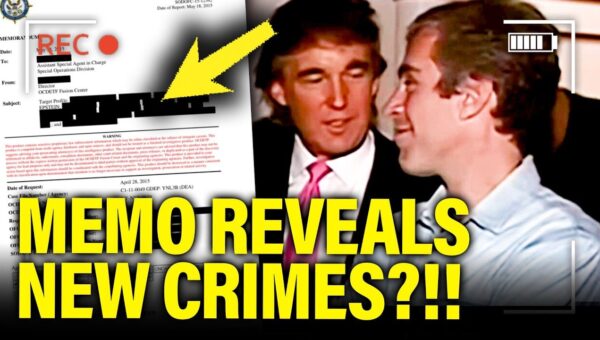
Epstein Files Reveal New Sex Trafficking Probe Details
New details from the unsealed Epstein files reveal an FBI informant's claims of an American shooting a judge in a Mexican sex trafficking case and suspicions of leaks. Senator Ron Wyden is now urging the DEA to investigate potential drug trafficking links connected to Epstein.

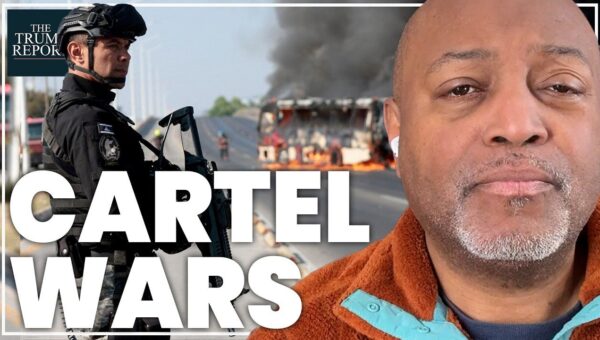
Mexico Cartel Violence Erupts After US-Aided Leader’s Death
A targeted operation against a top cartel leader, supported by US intelligence, has triggered a violent surge in Mexico. The killing of the CJNG leader has led to subordinate factions unleashing chaos, raising questions about US drug policy and the complex geopolitical landscape.

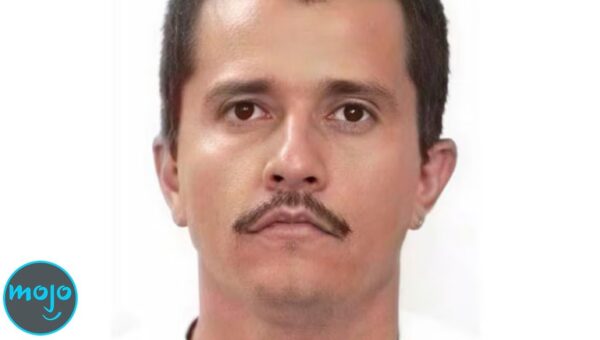
Mexico’s Cartel Chaos: El Mencho Raid Sparks Crisis
A decisive military raid on cartel leader El Mencho has plunged Mexico into chaos, triggering widespread retaliation and nationwide roadblocks. As President Claudia Sheinbaum grapples with restoring order amidst escalating cartel conflicts and the upcoming 2026 FIFA World Cup, the nation's future hangs in the balance.