Top 10 Personal Finance Errors Unveiled
Failing to save enough, setting unclear goals, and taking on the wrong investment risks are among the top personal finance mistakes people make. Experts highlight these common errors and their impact on long-term financial well-being.

Top 10 Personal Finance Errors Unveiled
In the realm of personal finance, individuals often fall into the trap of focusing on uncontrollable variables, such as attempting to predict stock market winners, while neglecting crucial elements within their direct purview. These overlooked aspects, like establishing clear financial objectives and formulating a robust long-term strategy, can lead to significant missteps. The severity of these errors can mean the difference between perpetual financial struggle and a secure future.
1. Insufficient Income Generation
Perhaps the most foundational, yet often controversial, mistake is not earning enough. While external factors like upbringing and birthplace play a role, an individual’s capacity to earn—their human capital—is frequently their most valuable asset. Investing in this by pursuing education or vocational training can lead to higher average lifetime earnings and greater income resilience during economic downturns. Fields such as engineering, healthcare, and business have historically offered greater financial rewards, though the impact of emerging technologies like AI remains to be seen.
2. Inadequate Savings Rate
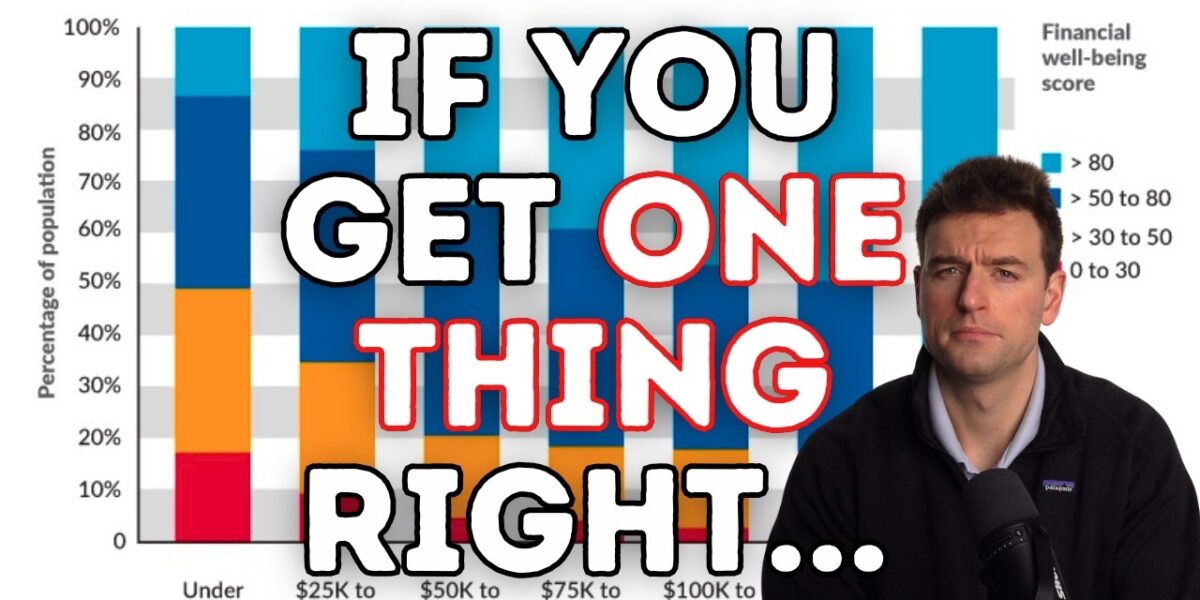
For those who have managed to earn more than their immediate living expenses, failing to save a portion of these earnings is a critical error. Saving is not only essential for future goals like retirement but is also strongly correlated with overall financial well-being across all income levels. While optimal savings rates vary based on individual goals (e.g., early retirement), starting age, and desired income replacement, common guidelines suggest saving at least 10% of income, in addition to mandatory pension contributions. Research indicates that a 10% savings rate from age 25 to 65, invested in a diversified stock portfolio, could yield retirement income exceeding working-year income. A more conservative estimate, based on historical data, suggests a minimum savings rate of 11.28% is needed to support a 40-year working life, 40-year retirement, and a 70% income replacement rate (excluding government benefits).
3. Lack of Defined Financial Goals
Making significant financial decisions without a clear vision of one’s ultimate objectives is a common pitfall. Many individuals struggle to articulate their financial goals, and when prompted, may realize their stated goals don’t align with their deepest values. Studies utilizing frameworks like the PERMA V model (Positive Emotion, Engagement, Relationships, Meaning, Accomplishment, and Vitality) suggest that people tend to set more meaningful, value-driven goals when guided through structured processes, leading to more effective financial planning.
4. Overspending on Non-Essential Items
The allure of immediate gratification through material possessions can lead to habitual overspending. While new purchases may provide a temporary happiness boost, human adaptation means these feelings often fade quickly. Our minute-to-minute experiences, rather than stable life circumstances, are the primary drivers of happiness. Overestimating the long-term happiness derived from material goods, and underestimating the impact of time-related factors, can lead to suboptimal spending. Prioritizing time over money often correlates with greater happiness, social connections, and job satisfaction. Spending less today on things that don’t bring lasting value can accelerate financial independence and increase control over one’s time in the future.
5. Insufficient Investment Risk-Taking
Failing to take on appropriate levels of risk in investment portfolios is a significant error, as it can drastically limit long-term growth potential. While risk is often associated with volatility, for long-term investors, the primary risk is not achieving sufficient returns. Owning diversified stocks historically offers higher expected returns than bonds or cash. The opportunity cost of not investing in stocks can be substantial; for instance, to match the expected outcome of a 10% savings rate in a 100% global stock portfolio, one might need to save 63% more in a target-date fund or nearly twice as much (19%) in a 60/40 stock/bond portfolio. Holding only cash in a high-interest savings account would necessitate saving an astounding 57% of income.
6. Taking the Wrong Kind of Investment Risk
Conversely, engaging in speculative activities like picking individual stocks, chasing volatile assets (e.g., cryptocurrency before widespread adoption), or using options for short-term bets is akin to gambling. These activities often have negative expected returns, and while occasional wins are possible due to luck, the long-term trend is unfavorable. True investing, characterized by a positive expected return and a long-term horizon, is typically less exciting but more reliable. The challenge for investors is to remain disciplined and avoid being swayed by market noise and enticing, high-risk opportunities.
7. Neglecting Tax Planning
Failing to leverage government-sanctioned tax planning strategies represents a missed opportunity for financial optimization. These strategies, such as income splitting, maximizing contributions to registered accounts (like RRSPs, TFSAs, or their equivalents), donating appreciated securities, and utilizing primary residence exemptions, can significantly reduce tax burdens without the inherent uncertainty of market returns.
8. Ignoring Estate Planning
Lack of a comprehensive estate plan, particularly the absence of a will, can lead to tax inefficiencies, liquidity issues upon death, and significant emotional distress for surviving family members. Without a plan, the distribution of assets will follow statutory rules, which may not align with the deceased’s wishes. Proactive estate planning ensures assets are distributed according to personal objectives.
9. Marrying a Financially Incompatible Spouse
Significant differences in spending habits—between ‘tightwads’ and ‘spenders’—are a common source of marital conflict and dissatisfaction. Statistical likelihood suggests these opposite profiles are prone to marrying each other. Financial disagreements are a strong predictor of divorce, which can be financially devastating. Given that spending tendencies are relatively stable, potential partners should carefully consider long-term financial compatibility.
10. Underinsuring Catastrophic Risks
While insurance typically has a negative expected return (as it must for insurers to profit), it is crucial for protecting against risks that could lead to financial ruin. This includes life insurance for individuals with dependents and disability insurance to protect future earnings. Failing to adequately insure against such catastrophic events, despite the unpleasantness of contemplating them, can have severe financial consequences.
Market Impact and Investor Considerations
These personal finance mistakes, while individual in nature, collectively influence broader economic behavior. Widespread under-saving can impact capital markets, while excessive speculation can create market volatility. For investors, the key takeaways are:
- Prioritize Income and Savings: Increasing earning potential and establishing a consistent savings habit are fundamental.
- Set Meaningful Goals: Clearly defined, value-aligned goals provide direction for financial planning and investment strategy.
- Invest Appropriately: Embrace diversified, long-term investment strategies that include appropriate risk (equities) while avoiding speculative gambles.
- Leverage Tax and Estate Planning: Utilize available tax-advantaged accounts and ensure proper estate planning to preserve wealth and minimize complications.
- Consider Life Partners: Financial compatibility is a significant factor in long-term relationship success and financial stability.
- Insure Wisely: Protect against catastrophic events with adequate insurance coverage.
Working with a qualified financial planner can help individuals navigate these complexities, reduce errors, and improve their long-term financial outcomes.
Source: The Biggest Mistakes in Personal Finance (YouTube)

Related Articles


$100K Salary Illusion: Why You’re Not Richer
A $100,000 salary, once a symbol of financial achievement, now often leaves individuals feeling surprisingly strained. This article explores how inflation, taxes, psychological spending pressures, and a misunderstanding of income versus wealth contribute to this modern financial paradox, offering strategies to build a sustainable margin.


Unlocking Real Estate: Value-Add Strategies for Investors
The traditional belief that significant capital is required to invest in real estate is being challenged by a value-add strategy. This approach focuses on identifying and improving underperforming properties to increase their market value and income potential, often requiring less upfront cash than purchasing pristine assets.


Mastering Wealth: The 5 Levels of Financial Progression
Building wealth follows a structured path, starting with the fundamental principle of living on less than you make. Experts identify five levels of financial progression, emphasizing discipline and strategic saving as keys to long-term security.