Tiny Homes: Big Revenue, Small Profit?
Tiny homes can generate substantial gross revenue, but understanding the difference between gross income and net profit is key. Operational costs, taxes, and insurance significantly reduce take-home pay, highlighting the importance of scaling into a comprehensive glamping experience for true profitability.

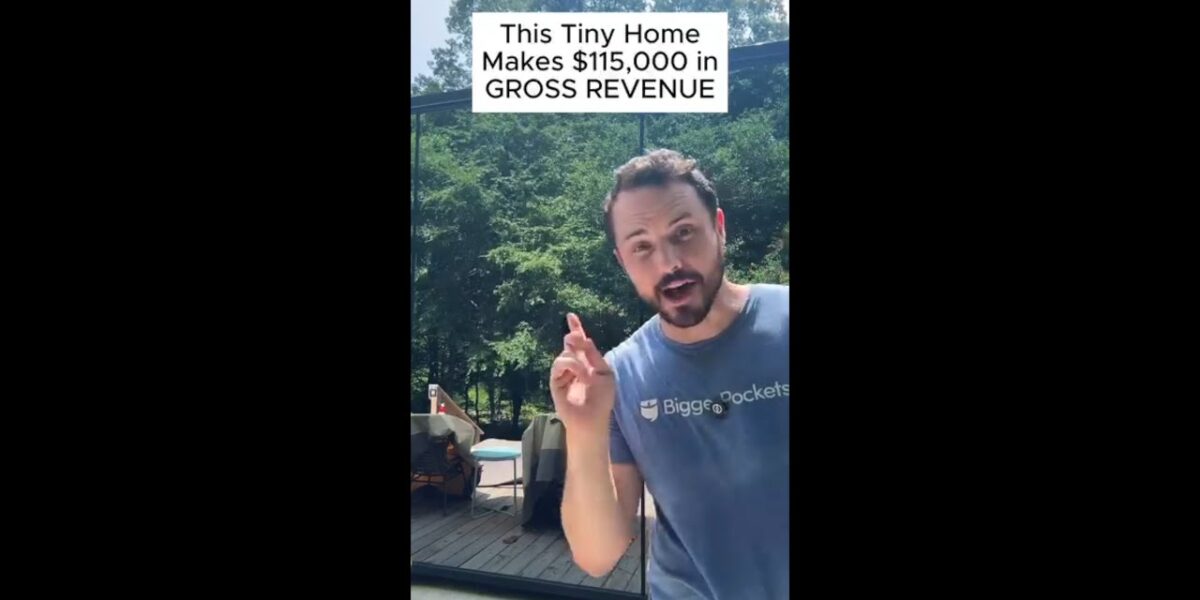
Tiny Homes: The Allure of High Gross Revenue vs. Net Profit
The burgeoning trend of tiny homes, particularly in the short-term rental and glamping market, often garners attention for impressive gross revenue figures. One prominent example highlights a single tiny home generating $115,000 in gross revenue annually. However, this headline figure, while attention-grabbing, is a far cry from the actual profit an owner can expect. Understanding the difference between gross revenue and net income is crucial for anyone considering this niche of the real estate market.
Deconstructing the Numbers: Beyond the Top Line
The $115,000 figure represents the total income generated before any expenses are deducted. This is the gross revenue. For a single tiny home, the actual take-home income, or net profit, is likely to fall significantly lower, estimated to be in the $40,000 to $50,000 range. This substantial difference is attributed to a range of operational costs that are often overlooked by aspiring property owners.
The Hidden Costs of Tiny Home Rentals
Several key expenses chip away at the gross revenue:
- Operational Costs: These can include utilities (water, electricity, internet), maintenance, and repairs. Tiny homes, despite their size, still require upkeep.
- Cleaning Costs: Frequent turnovers for short-term rentals necessitate professional cleaning services, which can be a significant ongoing expense.
- Taxes: Property taxes, income taxes on rental earnings, and potentially occupancy taxes must be factored in.
- Insurance: Specific insurance policies are required for short-term rental properties, which are typically more expensive than standard homeowner’s insurance.
- Other Expenses: This can encompass everything from marketing and booking platform fees to supplies for guests (toiletries, linens, etc.) and potential permit or licensing fees.
The Scalability of Glamping and Experiential Stays
While a single tiny home might offer modest net profits, the real financial potential often lies in scaling up to create a glamping site or a cluster of nature-focused accommodations. The strategy shifts from merely renting out a structure to curating an entire experience. When multiple units are deployed, the fixed costs (like property management, marketing, and potentially shared amenities) can be spread across a larger revenue base, leading to higher overall profitability.
Building an Experience: The ‘They Will Come’ Philosophy
The success of a glamping venture, or any experiential rental property, hinges on more than just the physical structures. The core philosophy is to build an immersive experience that draws guests in. This involves:
- Vision and Future Planning: Envisioning a cohesive site that offers an escape from everyday life, emphasizing nature and tranquility.
- The Experience Itself: This includes the ambiance of the location, the comfort and unique design of the accommodations, and any additional amenities or activities offered.
- Marketing and Hospitality: Effective marketing is essential to reach the target audience. This means showcasing the unique selling points of the location and the experience. Equally important is exceptional hospitality, ensuring guests have a memorable and positive stay, which often leads to repeat bookings and positive word-of-mouth referrals.
Broader Economic Factors and Regional Variations
The viability of such ventures is also influenced by broader economic conditions. Interest rates play a role in the cost of financing property acquisition and development. The overall economic climate can affect discretionary spending on travel and leisure. Furthermore, regional variations are significant. Areas with high tourism demand, natural beauty, or proximity to major urban centers may command higher rental rates and occupancy, making them more attractive for glamping developments. Conversely, areas with lower demand or higher operational costs might present greater challenges.
Impact on Buyers, Sellers, and Investors
For potential buyers looking to enter the short-term rental market, this insight is critical. It underscores the need for thorough due diligence, including a detailed analysis of operating expenses and realistic profit projections. Sellers of existing glamping sites or portfolios of tiny homes can leverage the appeal of established revenue streams, but must be transparent about net income. Investors should carefully evaluate the scalability and management intensity of different models. While the allure of high gross revenue from unique properties like tiny homes is undeniable, a deep understanding of cost structures and strategic positioning is paramount to achieving sustainable profitability.
Source: $115K From One Tiny Home… Here’s the Strategy (YouTube)

Related Articles


Breaking Into Real Estate: Opportunity Knocks
High property prices and interest rates dominate current real estate discussions, leading many to believe market entry is impossible without wealth. However, historical perspective and strategic thinking suggest opportunity persists for those willing to learn and adapt, regardless of their starting financial position.


Unlocking Real Estate: Value-Add Strategies for Investors
The traditional belief that significant capital is required to invest in real estate is being challenged by a value-add strategy. This approach focuses on identifying and improving underperforming properties to increase their market value and income potential, often requiring less upfront cash than purchasing pristine assets.


Buyer Financing Power Shifts Negotiation Landscape
Securing financing before house hunting is a critical strategy empowering buyers in today's real estate market. A strong pre-approval letter not only builds buyer confidence but significantly enhances negotiation leverage, potentially leading to more favorable terms and allowing for lower offers that sellers may consider.