TikTok Ban Reversed: A $14 Billion Deal Rescues App
The U.S. ban on TikTok, enacted in January 2025, was lifted just one day later following a $14 billion deal. This agreement saw a consortium acquire an 80% stake in TikTok's U.S. operations, resolving years of national security concerns and legal battles. The deal allows the app to continue serving its 170 million American users.

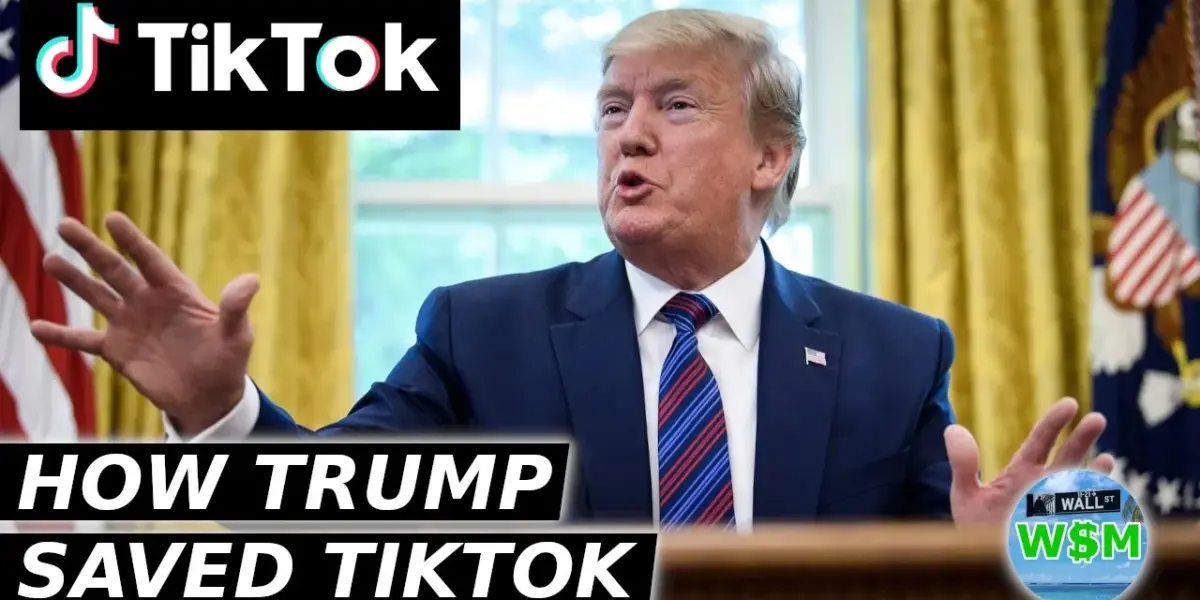
TikTok Ban Reversed: A $14 Billion Deal Rescues App
In a stunning turn of events, the United States has reversed its ban on the popular social media app TikTok. The ban, which took effect on January 19, 2025, was lifted just one day later, allowing the platform to continue operating for its estimated 170 million American users. This dramatic reversal follows a complex series of legal battles and a significant ownership restructuring, culminating in a $14 billion deal that saw a consortium of investors acquire an 80% stake in TikTok’s U.S. operations.
From Controversy to Crisis, Then Resolution
For years, TikTok, owned by Chinese parent company ByteDance, has been at the center of U.S. national security concerns. Lawmakers feared the Chinese government could potentially use the app for intelligence gathering or propaganda. These worries led to attempts to ban the app, most notably by the Trump administration in 2020. However, these early efforts were blocked by the courts.
The situation escalated in April 2024 when President Joe Biden signed a law requiring ByteDance to sell TikTok’s U.S. operations within 270 days or face a ban. TikTok sued, arguing the law was unconstitutional. The Supreme Court ultimately sided with the government, leading to the January 2025 ban.
The ban’s abrupt end came with the inauguration of Donald Trump for his second term. In a surprising move, he temporarily rescinded the ban, reportedly to gain leverage in broader trade negotiations with China. This set the stage for a swift resolution.
The $14 Billion Deal
In September 2025, ByteDance sold an 80% stake in TikTok U.S. to a group of investors. This group included Oracle, private equity firm Silver Lake Capital, and MGX, an investment company backed by the United Arab Emirates government. The deal valued TikTok U.S. at $14 billion.
This valuation was significantly lower than what many analysts believed TikTok U.S. was worth, with estimates ranging from $30 billion to $50 billion. A major reason for the low price was a $10 billion fee paid to the U.S. government as part of the deal arrangement. For the investing consortium, this substantial fee meant they needed a bargain price to make the investment worthwhile.
ByteDance also benefited from the sale. While they sold a majority stake at a low valuation, they received billions of dollars. Importantly, ByteDance retained a 20% stake in TikTok U.S., allowing them to profit from the app’s future success. This structure also offered a face-saving solution regarding China’s concerns about its proprietary recommendation algorithm.
Navigating Geopolitical Hurdles
A key sticking point in previous attempts to sell TikTok U.S. was China’s insistence that its sophisticated recommendation algorithm, considered sensitive AI technology, could not be sold to a foreign entity. To circumvent this, the new deal involves TikTok U.S. licensing the algorithm from ByteDance, rather than owning it outright. This technical distinction appeased both the U.S. government’s security concerns and China’s stance on its technology.
To further address U.S. data security worries, TikTok had previously moved to store U.S. user data at Oracle data centers in Texas, claiming it was isolated from its parent company. However, this measure proved insufficient to prevent the eventual legislative push for a sale or ban.
TikTok’s Origins and Growth
TikTok’s journey began in 2014 with the launch of Musical.ly, a lip-syncing app that quickly gained traction among American teenagers. While successful in the U.S., Musical.ly struggled to generate significant revenue due to a lack of sophisticated advertising and recommendation systems.
ByteDance, already operating a real estate search engine and news platform in China, saw the potential. In 2016, they launched Douyin, a more advanced version of Musical.ly, featuring a personalized content recommendation system and longer video formats. Douyin became a massive success in China, attracting over 100 million users within its first year.
To expand globally, ByteDance created TikTok in 2017, essentially a version of Douyin not subject to China’s censorship laws. A crucial step in TikTok’s global strategy was the $1 billion acquisition of Musical.ly in 2017, which was then merged into TikTok. This move propelled TikTok’s growth, leading to its current status with an estimated 1.8 billion monthly active users worldwide as of 2025.
Financial Performance and Monetization Challenges
While TikTok boasts massive user numbers, its financial performance has been complex. Data from TikTok’s U.K. subsidiary, which covers Europe, Africa, South America, and Central America, shows explosive revenue growth. Revenue jumped from $26 million in 2019 to $6.3 billion in 2024.
However, the company has faced challenges with profitability. In 2024, the U.K. subsidiary reported a gross profit margin of just 19%, significantly lower than social media giants like Meta, which boasts over 80% gross margins. The company also incurred an operating loss of $485 million in 2024.
High operating costs, including massive data center expenses for storing and delivering billions of videos daily, contribute to these challenges. Furthermore, TikTok shares approximately 50% of its ad revenue with content creators, further impacting profit margins. The platform’s core design, prioritizing rapid engagement with short videos, makes it harder to monetize effectively compared to platforms like Instagram, which offer more predictable ad placements.
TikTok is exploring other revenue streams, including live stream donations, where it takes a 10% cut, and TikTok Shop. TikTok Shop allows creators to promote products and earn affiliate commissions, with an integrated buy button for direct purchases. TikTok charges merchants commission fees for using the platform.
Market Impact and What Investors Should Know
The resolution of the TikTok ban is a significant development for the digital advertising and social media markets. With 170 million users in the U.S., TikTok remains a powerful platform for reaching consumers, especially younger demographics.
For investors, the $14 billion valuation of TikTok U.S. presents an interesting case. While seemingly low, the deal structure, including the large government fee and ByteDance’s retained stake, needs careful consideration. The licensing of the recommendation algorithm appears to be a crucial innovation that could set a precedent for future cross-border tech deals involving sensitive intellectual property.
The ongoing efforts by TikTok to diversify revenue through features like TikTok Shop could improve its profitability. However, the company still faces the challenge of balancing user experience with monetization, especially given its younger user base and the high costs associated with its content delivery infrastructure. The long-term success will depend on its ability to navigate both market competition and potential future geopolitical scrutiny.
Source: What Ever Happened To The TikTok Ban? (YouTube)

Related Articles

DOJ Prosecutor Warns of National Security Risks in Birthright Citizenship
A former federal prosecutor warns that the current interpretation of birthright citizenship poses a significant national security and election integrity risk. He points to "birth tourism" and potential foreign influence as key concerns.
Birthright Citizenship Faces New Scrutiny Over Intent
A Supreme Court case is challenging the long-held practice of birthright citizenship in the U.S. Expert Simon Henson discusses the 14th Amendment's original intent versus modern interpretations, including concerns about national security and civic loyalty. The outcome could significantly alter how citizenship is granted.
Trump Declares “Epic Fury” Operation Crushes Iran’s Military
President Trump announced that the U.S. military's "Operation Epic Fury" against Iran has achieved decisive victories, destroying Iran's navy and air force within a month. He reiterated his commitment to preventing a nuclear Iran and highlighted the nation's economic strength amidst global tensions.