Tiger Woods DUI Case Raises Questions on Painkillers, Addiction
Tiger Woods' 2017 DUI arrest revealed complex issues surrounding his pain management and past addiction. Legal experts questioned the strength of the DUI charges, while medical professionals highlighted concerns about prescription drug use and the need for comprehensive treatment. The incident also cast a shadow over his legendary career, prompting discussions about his future in professional golf.

Tiger Woods DUI Case Raises Questions on Painkillers, Addiction
Tiger Woods’ arrest on DUI charges in May 2017 brought his personal struggles into the public spotlight. The incident, which occurred just weeks before he was expected to compete in the Masters, sparked widespread discussion about his health, career, and past battles with addiction. Legal experts and medical professionals weighed in on the complexities of the case, highlighting issues surrounding prescription drugs and pain management.
Legal Hurdles in the DUI Case
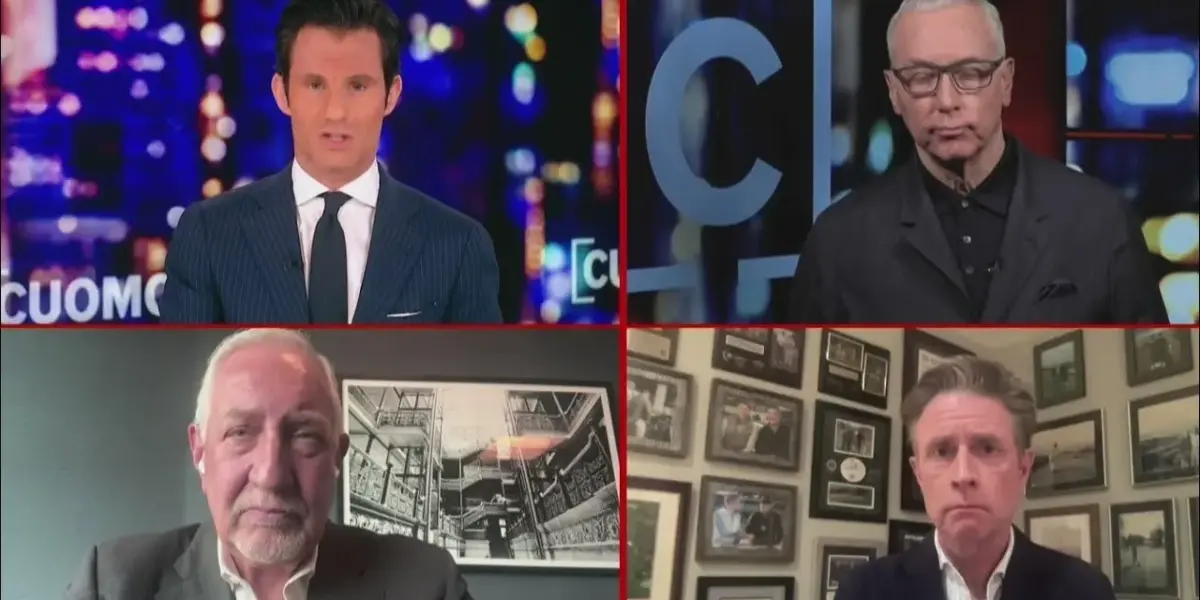
Attorney Mark Geragos pointed out significant legal challenges in prosecuting Woods. He noted that if Woods refused a breathalyzer test, the urine test results might not be admissible in California. Geragos emphasized that urine tests are not reliable for determining driving under the influence. Since Woods’ breathalyzer test showed zero alcohol, the focus shifted to other substances. However, Geragos questioned whether the prosecution could build a strong criminal case, suggesting that any observed symptoms could be explained by the severe injuries from the car crash. He also mentioned that a prior conviction for reckless driving could impact sentencing, but its admissibility depends on the specific charges filed this time.
Medical Perspective on Pain and Addiction
Dr. Drew Pinsky expressed deep concern for Woods, directing his focus towards the physicians prescribing pain medications. He explained that chronic pain, which Woods has endured due to numerous surgeries, can be worsened by opiates. Dr. Pinsky suggested alternative treatments, like buprenorphine (Suboxone), which can help manage chronic pain while also addressing opioid dependency. He highlighted that Woods had previously identified himself as an addict over a decade ago, indicating a history of substance abuse. Dr. Pinsky stressed the need for comprehensive care to address both his pain and potential addiction, suggesting that recovery is a long process that requires professional help.
Impact on Tiger Woods’ Career and Legacy
Gary Williams, host of The Golf Channel’s 5 Clubs, discussed the profound impact the arrest had on fans and Woods’ career. Many loyal followers expressed disappointment, feeling betrayed by the situation. Williams described Woods’ career as a duality: first, an era of unparalleled dominance where he consistently exceeded expectations, becoming a global cultural icon. Then, after suffering injuries starting in 2008, his career became a story of overcoming adversity and fighting back from physical setbacks. This shift transformed him from a sure bet to a compelling underdog, especially after his remarkable comeback at the 2019 Masters. Williams also touched upon Woods’ significance as a Black athlete who excelled in a predominantly white sport, overcoming racism to achieve greatness.
The Question of Future Major Wins
When asked if Woods could win another major championship, Williams was pessimistic. He cited the severity of Woods’ leg injuries from the 2021 accident, calling his 2019 Masters win a miracle. Williams noted that since 2008, Woods has not played more than eight consecutive majors. He believes the window for winning another major has likely closed, especially given his past fusion surgeries and the physical toll of his injuries.
Moving Forward: Legal and Medical Advice
If released, Woods’ immediate steps would involve securing legal representation and undergoing a blood test to determine what substances were in his system. For his health, experts advised him to seek professional help for pain management and addiction. Dr. Pinsky suggested getting Woods off all opiates and benzodiazepines to assess his true pain levels and mental state. He emphasized that comprehensive, long-term treatment is crucial for recovery. The legal team’s primary focus would be to challenge the prosecution’s case, aiming to get the charges dismissed. The situation underscores the ongoing challenges faced by athletes dealing with chronic pain, medication, and the potential for addiction, all under intense public scrutiny.
Source: Panel reacts to Tiger Woods' DUI arrest | CUOMO (YouTube)

Related Articles

Tiger Woods’ DUI Arrest Stirs Legacy and Public Anger
Tiger Woods' recent DUI arrest and mug shot release have sparked public anger and concern over his legacy. The incident highlights issues of celebrity accountability, potential painkiller use, and the opportunity for redemption.

Woods’ DUI Arrest Clouds Golf Future, Raises Legal Questions
Tiger Woods was arrested for DUI following a rollover crash in Florida. He has since bonded out of jail but faces legal challenges, including refusing a sobriety test. This incident adds to a history of driving-related issues and raises questions about his future in professional golf.

Tiger Woods Arrested for DUI After Rollover Crash
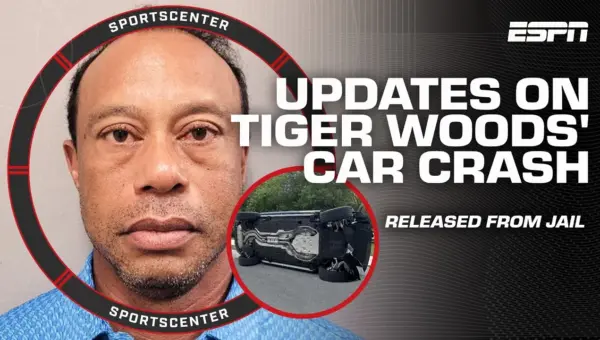
Tiger Woods was arrested on suspicion of DUI and property damage after a single-car rollover crash in Florida. No injuries were reported, but Woods refused a urine test after a zero-alcohol breathalyzer, adding to his history of driving incidents.