Tiger Woods Called Trump After Crash, Sought Rehab Abroad
Tiger Woods called President Donald Trump from the scene of his February car crash before his DUI arrest, according to new details. Bodycam footage shows Woods' demeanor changing during police interaction. Woods also seeks treatment abroad due to privacy concerns.

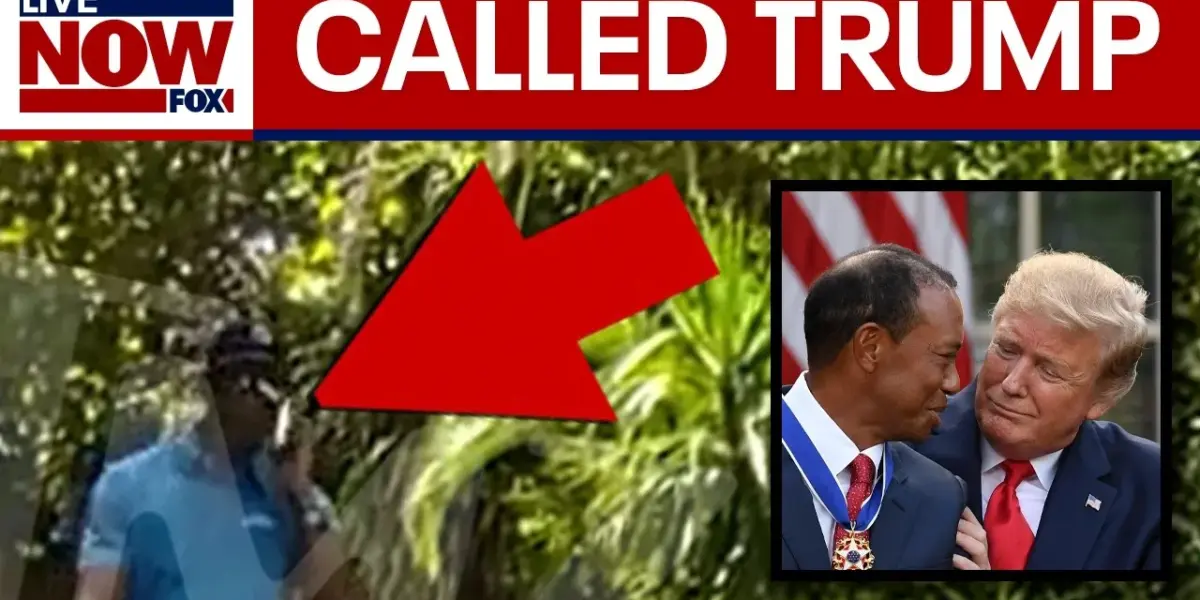
Tiger Woods Made Surprise Call to President Trump After Car Crash
Newly released details reveal that golfing legend Tiger Woods called then-President Donald Trump from the scene of his February car crash in Florida. The call took place just moments after the severe rollover accident, before Woods was arrested for driving under the influence (DUI).
TMZ, which has closely followed the story since the crash, reported that Woods made the call from his phone while police were assessing the situation. An officer noticed Woods wandering away from the immediate crash site and called him back. It was during this interaction that Woods stated he was speaking with the president.
“I was just talking to the president,” Woods reportedly told the officer. This revelation has led to speculation about how President Trump seemed aware of the situation shortly after it occurred. Trump made public comments about the crash while speaking off Air Force One on the same day, raising questions about his early knowledge.
“Okay, now that makes sense that the president was very aware of what was going on at a time when seemed like nobody else had any information,” commented Michael Babcock of TMZ, discussing the timing of Trump’s public remarks.
Concerns Over Woods’ Demeanor and Impairment
Body camera footage released from the incident has drawn attention to Tiger Woods’ appearance and behavior. While initially wearing sunglasses, Woods’ demeanor seemed to shift as the interaction with police continued.
According to Babcock, when police first arrived, Woods did not appear impaired. However, during field sobriety tests and later while in the back of a police car, his eyes seemed “glassed over” and he appeared “dazed.” This visual evidence has fueled discussion about his state at the time of the crash.
Despite these observations, the legal case faces challenges. Woods provided breathalyzer readings of zero twice, and he did not submit to blood or urine tests. This lack of direct biological evidence means prosecutors will need to rely on other means to prove impairment in court.
“They don’t have anything that they can point to, you know, as fact and say, ‘Okay, this is what was in the system.’ It the evidence just doesn’t exist,” Babcock noted, highlighting the complexities of the DUI case.
Woods Seeks Treatment Outside the U.S.
In a separate development, Tiger Woods’ legal team has requested permission for him to travel outside the United States to seek treatment. The motion filed by his attorney states that Woods believes he cannot receive adequate private treatment within the U.S.
This desire for international treatment may stem from a previous experience. In 2017, following an earlier DUI arrest, images of Woods at a U.S. rehab facility surfaced. He reportedly feels that such public exposure at treatment centers in America has made him wary of seeking care domestically.
The judge granted permission for Woods to travel abroad for treatment, suggesting he intends to find a facility outside the country. The specific location of this treatment has not been disclosed.
A Surreal Moment and Impact on the Masters
The call to President Trump from the crash scene is described as a “surreal moment.” It underscores the unique relationship between Woods and the former president, which reportedly spans many years and includes a shared passion for golf.
It remains unclear what Woods hoped to achieve by calling Trump. Whether he sought intervention or simply support is unknown. However, the image of him on the phone, shortly after a serious accident, is striking.
The transcript also reveals a brief exchange between Woods and a police officer about his potential participation in the Masters golf tournament. When asked if he would play, Woods expressed hope, saying, “I hope I am.” This indicates that, prior to his arrest and the subsequent complications, he was considering competing.
The crash and subsequent DUI arrest undeniably altered his plans. The officer’s question highlights the immediate impact the incident had on his professional career, particularly his ability to participate in major tournaments.
What’s Next for Tiger Woods?
As Tiger Woods prepares to seek treatment abroad and faces legal proceedings for the DUI charge, attention remains focused on his recovery and return to professional golf. The lack of concrete evidence of intoxication in his blood or urine presents a significant hurdle for prosecutors. His decision to seek treatment internationally suggests a strong desire for privacy during his recovery. Golf fans worldwide will be watching to see how these events shape his future on and off the course, particularly his readiness for upcoming tournaments.
Source: Tiger Woods called President Trump after crash: TMZ (YouTube)

Related Articles


Trump Ousts AG Bondi; Tiger Woods DUI Arrest Details Emerge
President Trump has removed Attorney General Pam Bondi, appointing Todd Blanche as acting AG amidst reported frustrations over her performance. New details also emerged from Tiger Woods' DUI arrest, including body camera footage and his mention of a call with the President.
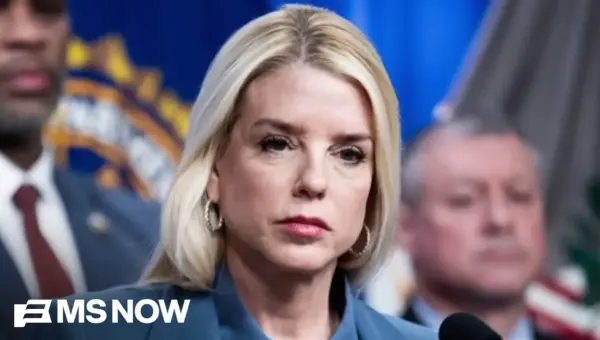
Trump Fires Bondi: Loyalty Not Enough, Scalps Now Required
Pam Bondi has reportedly been fired by President Trump, who is now demanding "scalps" from loyalists instead of mere loyalty. The shift signals a tougher stance, with candidates now needing to deliver on Trump's personal retribution list. Bondi's departure is linked to her inability to satisfy these new, demanding expectations.
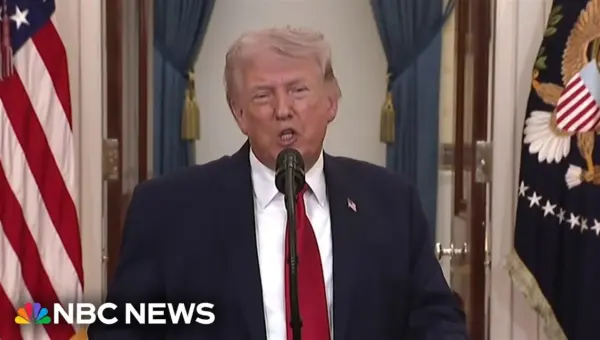
Trump Addresses War with Iran, Offers Few Details on Exit
President Trump addressed the nation regarding the ongoing war with Iran, offering praise for U.S. military actions but providing few concrete details on an exit strategy. He reiterated threats against Iran's civilian infrastructure and placed responsibility for securing the Strait of Hormuz on allied nations, while market indicators show continued oil price volatility.