The Unseen Scars: A Vietnam War Soldier’s Descent
The story of Andy B., a Vietnam veteran, highlights the profound psychological toll of combat and the challenges of reintegration. His case serves as a somber reminder of the unseen casualties of war and the critical need for comprehensive veteran support.

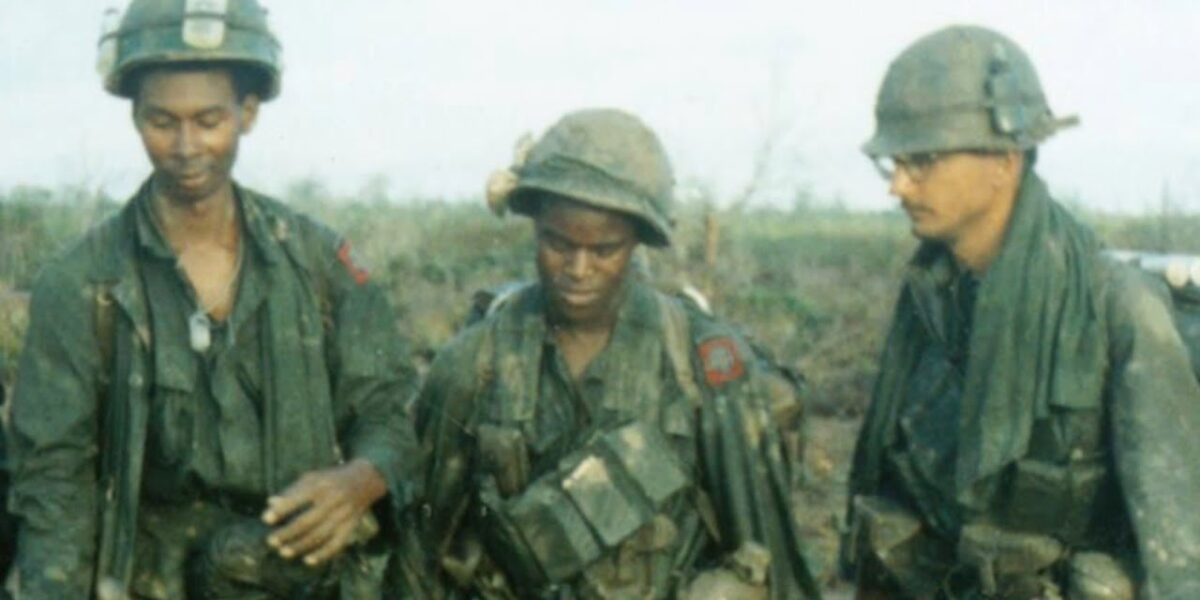
The Unseen Scars: A Vietnam War Soldier’s Descent
The echoes of war rarely fade with the final shot fired. For some, the battlefield’s horrors are merely the prelude to a more personal, protracted conflict waged within the confines of their own minds. The story of Andy B., a Vietnam veteran, is a somber testament to this enduring struggle, a case that underscores the profound and often devastating psychological toll of combat and the subsequent challenges of reintegration into civilian life.
A Soldier’s Return, A Life Unraveling
Andy B.’s journey from the jungles of Vietnam to the quiet despair that ultimately consumed him is a narrative pieced together from fragmented accounts and the lingering questions surrounding his fate. While the transcript provided offers a glimpse into the circumstances, it points towards a man deeply affected by his wartime experiences. The details surrounding his experiences in Vietnam are not fully elaborated, but the context of the Vietnam War itself – a conflict marked by intense psychological pressure, moral ambiguity, and immense loss – provides a backdrop for understanding the potential genesis of his struggles.
The Lingering Shadows of War
The transcript, while brief, hints at a veteran grappling with significant internal turmoil. The phrase “the last two casualties of the Vietnam War” is a stark and poignant declaration, suggesting that Andy B.’s story is intertwined with a profound sense of loss and perhaps even a feeling of being left behind. This sentiment is often echoed by veterans who return home to find their sacrifices unacknowledged or their experiences misunderstood. The psychological wounds of war, such as Post-Traumatic Stress Disorder (PTSD), can manifest years after service, leading to a cascade of difficulties including depression, anxiety, substance abuse, and social isolation.
A Life Interrupted
The narrative surrounding Andy B. appears to culminate in a tragic end, though the specifics of his passing are not detailed in the provided material. However, the implication of him being one of the “last casualties” suggests a death that is directly or indirectly linked to the lingering effects of his service. This resonates with the broader understanding of veteran suicide rates, which remain a critical concern for military communities and mental health advocates worldwide. The transition from a highly structured, albeit dangerous, military environment to the complexities of civilian life can be disorienting. The camaraderie and sense of purpose found in service are often difficult to replicate, leaving veterans feeling adrift and alienated.
The Broader Implications: A Call for Support
The story of Andy B., as alluded to in the transcript, serves as a somber reminder of the sacrifices made by those who serve and the often-invisible battles they continue to fight long after returning home. It highlights the critical need for comprehensive and accessible mental health support for veterans. This includes not only immediate post-service care but also long-term support systems that address the chronic nature of PTSD and other combat-related psychological injuries.
Furthermore, cases like Andy B.’s underscore the importance of societal understanding and empathy towards veterans. Acknowledging the realities of their experiences and fostering environments where they feel supported and valued are crucial steps in preventing further tragedies. The military, government agencies, and community organizations all have a role to play in ensuring that veterans receive the care and resources they need to navigate the challenges of reintegration and to live fulfilling lives after their service.
The Vietnam War, in particular, left a complex legacy. Many veterans returned to a nation that was divided and often unappreciative of their service, exacerbating their psychological burdens. The ongoing efforts to understand and address the long-term consequences of this conflict, and indeed all conflicts, are vital. Andy B.’s story, though only hinted at, is a powerful call to action – a plea to remember the unseen casualties of war and to redouble our efforts in supporting those who have served.
“The echoes of war rarely fade with the final shot fired. For some, the battlefield’s horrors are merely the prelude to a more personal, protracted conflict waged within the confines of their own minds.”
The provided sources and links suggest a deeper exploration into this narrative, encouraging further research into the specific circumstances and the individuals involved. The commitment to “hear the other side” speaks to a desire for a complete and nuanced understanding of veterans’ experiences.
Source: Case study of Andy B (YouTube)

Related Articles


Silent Warnings: When Ordinary People Foresee Disaster
Explore the chilling accounts of ordinary individuals whose warnings about impending crimes were tragically ignored. From financial fraud to mass violence, these stories highlight the critical importance of heeding early signs.

Cryptic Note, Impossible Fall: The Unsolved Death of Rey Rivera
Rey Rivera's death is shrouded in mystery, marked by a cryptic note, an impossible fall from a building, and a police investigation that hit insurmountable obstacles. The case remains officially unsolved, leaving more questions than answers.

Serial Killers’ Dumbest Mistakes Exposed!
From leaving digital breadcrumbs on Expedia to shoplifting a can of salmon, notorious serial killers have been caught due to surprisingly simple and often foolish mistakes. This article delves into the most egregious blunders that led to their capture.