The Resident’s Tech Meltdown: Season 2, Episode 8 Explained
Season 2, Episode 8 of "The Pit" plunges the ER into a digital dark age after a ransomware attack. Doctors grapple with analog systems, personal crises, and ethical dilemmas, highlighting generational divides and real-world medical issues. The episode delivers high drama and emotional depth as the team fights to keep patients safe amidst technological chaos.

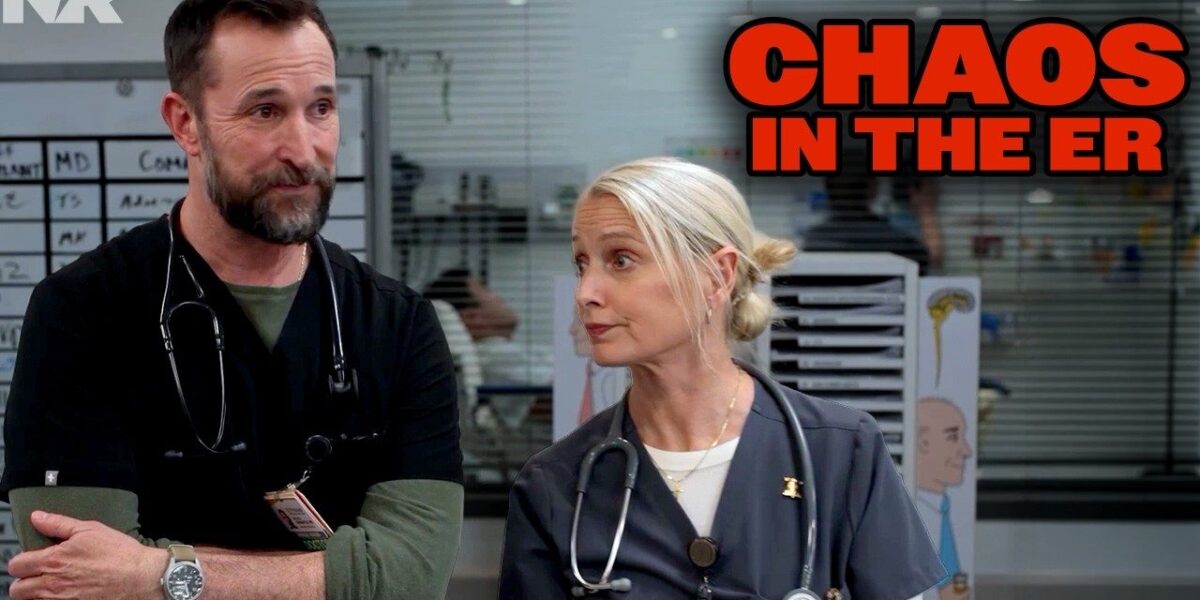
“The Pit” Season 2, Episode 8: A Digital Dark Age Descends on the ER
In the latest installment of “The Pit,” titled Season 2, Episode 8, the beloved medical drama plunges its characters into a harrowing 2 p.m. to 3 p.m. hour of the Fourth of July shift, grappling with the immediate aftermath of a catastrophic computer system shutdown. Directed by John Cameron and penned by Joe Saxs, a writer with genuine ER experience, this episode dives deep into the chaos that ensues when technology fails, forcing a return to analog methods and testing the mettle of the entire hospital staff.
A Hospital Adrift: The Analog Awakening
The episode kicks off with a palpable tension as Robbie confronts Dr. Al-Hashimi about the lack of communication regarding the critical decision to shut down the computer systems, a move made to avert a ransomware attack. While Al-Hashimi defends her actions, citing the speed of the crisis and her specialized cyber protection training, Robbie’s frustration is understandable, as the burden of managing the fallout now rests squarely on his shoulders. Amidst this administrative turmoil, Abbott’s exasperated reaction to the unfolding drama perfectly captures the absurdity of the situation. Fortunately, Joy, a standout new character this season, proves to be the unlikely MVP, utilizing her photographic memory to recall vital patient information that was lost in the digital blackout. Her initial reluctance to share this knowledge, stemming from a lack of interest in emergency medicine, adds a layer of complexity and humor to her crucial role.
The forced return to analog systems, estimated by Dr. Al to last up to 24 hours, starkly highlights the generational divide within the hospital. Older doctors like Robbie, Abbott, and Al-Hashimi, who remember a time before pervasive technology, find themselves navigating familiar yet forgotten territory. In contrast, younger physicians such as Javati, Oglevie, and Whitaker, who have grown up with digital tools, face a steep and disorienting learning curve. The generational clash is humorously illustrated when Joy expresses unfamiliarity with a fax machine and Larry struggles with carbon paper, moments that elicit a strong, almost visceral reaction from those who remember these technologies.
Personal Battles Amidst Systemic Failure
Beyond the overarching technological crisis, individual storylines add depth and emotional resonance to the episode. Dana continues to provide crucial support to Alana, an assault patient. The emotional weight of their interaction is palpable when Alana expresses gratitude for Dana’s presence, and Dana reciprocates with heartfelt emotion. This storyline also brings to light a critical real-world issue: the backlog of untested sexual assault evidence kits. Dana’s fury upon discovering a recently completed kit still awaiting processing underscores the systemic failures that plague law enforcement and crime labs, a problem that organizations like End the Backlog are actively working to address. Dana’s assertive confrontation with the police, demanding immediate pickup of the kits, showcases her unwavering determination and fighting spirit.
Meanwhile, Dr. Santos, with assistance from Dr. Al-Hashimi and Langdan, treats Harlo Graham for severe headaches, attributing them to prolonged laptop use and administering a localized anesthetic. The scene also introduces comedian Mosha Casher as an interpreter, whose personal connection to the Deaf community adds an authentic layer to the narrative. Langdan’s professional recognition of Santos’s work hints at a budding respect, foreshadowing potential future collaborations or conflicts.
Navigating Prejudice and Compassion
The arrival of Howard Knox, a new patient presenting with abdominal pain and fever, brings the issue of weight bias in healthcare to the forefront. Dr. Oglevie’s insensitive remarks about Mr. Knox’s size are met with a firm rebuke from Dr. McKay, who, drawing on a past experience, reminds him of the importance of treating all patients with respect and thoroughness, regardless of their appearance. Knox’s poignant story of gaining weight after a debilitating car accident and subsequent leg surgeries highlights the complex factors contributing to obesity and the deep-seated apologies he offers for his condition are heartbreaking. His reunion with his sister is a hopeful note in his challenging medical journey.
Another critical case involves Brooke, a patient experiencing sudden blindness due to a blood clot behind her eye. Dr. Al’s administration of clot-busting medication, while potentially vision-saving, carries significant risks, adding a layer of suspense to the treatment. The episode also features a darkly humorous incident involving two friends, Jackie (with a CK) and Jackie (with a Q), where one accidentally bites through her tongue during a drunken selfie attempt. This case forces Langden and Santos to work together, with Joy’s keen observation skills proving invaluable. The on-screen chemistry and expressive performances of the cast, particularly their nuanced facial reactions, are consistently a highlight, earning them well-deserved praise.
Family, Grief, and Medical Ethics
The emotional stakes are further raised with the arrival of Roxy’s parents, Lloyd and Kora, portrayed by seasoned actors John Getat and Bonita Friedri. Their presence suggests a deeper involvement in Roxy’s storyline, promising more significant scenes in the future. Roxy’s ongoing pain, even while on morphine, leads Robbie to authorize an increase in her dosage to potentially dangerous levels, a decision that underscores the hospital’s commitment to pain management, even when faced with severe side effects. The philosophical debate about accepting negative outcomes, even death, in pursuit of alleviating suffering, adds a complex ethical dimension.
A touching moment unfolds with Digby, who is found spending time with Louis in the viewing room. Digby’s ringing of the discharge bell for Louis, with the poignant phrase, “Louis got his wings,” is a beautiful “It’s a Wonderful Life” reference, symbolizing Louis’s passing and offering a sense of peace.
Career Aspirations and Societal Issues
Dr. Mohan’s contemplation of her future fellowship options—ultrasound, toxicology, and sports medicine—is met with a suggestion from Dr. Al to consider geriatrics. Dr. Al notes Mohan’s exceptional skill with elderly patients and the significant demand in the field, a sentiment echoed by the episode’s portrayal of George, an elderly man who visits the ER primarily for companionship. Mohan’s past involvement in a research study on racial disparities in medicine, which faced funding cuts, brings to light the real-world challenges and political influences impacting medical research, a theme “The Pit” adeptly weaves into its narrative without being didactic.
The episode also touches upon the complex issues surrounding pediatric mental health, with a pediatrician discussing the care of Baby Jane Doe, who requires overnight ER observation due to a cold. The discussion around emergency foster care highlights the challenges in providing stable care for vulnerable children. Furthermore, Nicole Steedman’s poignant conversation with Jackson Davis’s parents sheds light on the emotional toll of diagnosing a child with a serious mental health condition like schizophrenia or bipolar disorder. The parents’ desperate hope for their son’s happiness, even when faced with difficult statistics, is deeply moving.
Legal Battles and Unforeseen Complications
A significant plot point involves Mel’s impending deposition, which stems from the controversial measles case from the previous season. The focus is not on the spinal tap itself, but on the antivax mother’s claim that her son experienced cognitive decline as a result. Dr. Ellis firmly refutes this, explaining that spinal taps do not cause such issues and that any cognitive decline is likely a consequence of the measles infection and oxygen deprivation, directly implicating the mother’s choices. Ellis’s no-nonsense approach during the deposition preparation underscores her strength and commitment to defending her colleagues.
A Glimpse into the Future and Lingering Questions
The episode concludes with a surge of well-choreographed chaos in the ER, leaving Robbie and Dana to ponder how they will navigate the escalating crisis. Lingering threads, such as Robbie’s motorcycle buddy Duke’s continued absence, suggest a potential future ER visit. The heartwarming interaction between Langden and McKay, where McKay offers support based on her nine years of sobriety, provides a moment of genuine connection and validation for Langden’s struggles.
A humorous diagnosis of “margarita burn” for a patient with a widespread rash, solved by Joy, showcases the writer’s penchant for obscure medical cases. The episode effectively builds on the overwhelming nature of the ER, with the waiting room packed and the chaos escalating. “The Pit” continues to impress with its ability to blend compelling medical drama with relevant social commentary, leaving audiences eager for the next unfolding crisis.
Source: THE PITT Season 2 Episode 8 Explained! (YouTube)

Related Articles


China Faces Global Backlash Amid Shifting Alliances and Security Concerns
Global tensions are rising as the US and its allies confront China on multiple fronts. Developments include a deepening Chagos Islands dispute, a major cyberattack on Italian security forces, and US states suing e-commerce app Temu over privacy concerns. Japan is also stepping in to combat illegal Chinese fishing in South America.


Near Internet Collapse: A Single Flaw Exposed
A sophisticated attack targeting a critical software dependency narrowly avoided a global internet collapse. The incident highlights the vulnerabilities within the open-source ecosystem and the crucial role of its volunteer maintainers.

Understanding Medical Jargon: Insights from ‘The Pitt’ Season 2
Explore key medical terms and concepts from 'The Pitt' Season 2, Episode 3. Learn about medication safety, trauma response, neurological assessments, and rare conditions like Hypokalemic Periodic Paralysis and ITP, explained in accessible language.