The $10K Assistant: A Bold Bet on Equity
A former assistant, Jack, accepted a mere $10,000 for his first year, declining a higher salary to secure a 50% equity stake in Ice Comp. This highlights the high-risk, high-reward nature of startup equity compensation.

The $10K Assistant: A Bold Bet on Equity
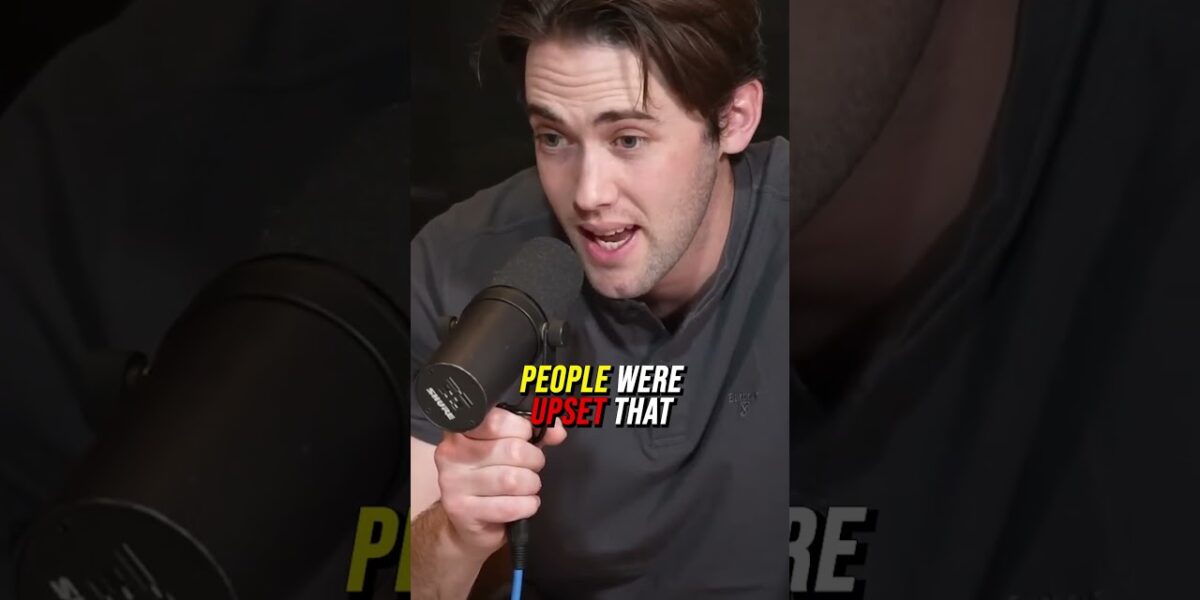
In a move that has sparked considerable debate, a former assistant, identified as Jack, accepted a mere $10,000 for his entire first year of work, a decision he claims was entirely his own. This arrangement, while unconventional, highlights a growing trend among startups and early-stage companies to incentivize talent through equity rather than immediate, substantial salaries. Jack’s decision to forgo a higher salary in favor of a stake in the company, now reportedly 50% of Ice Comp, underscores a high-risk, high-reward strategy that can pay off handsomely if the venture succeeds.
From Minimal Wage to Maximum Stake
The revelation that Jack’s initial compensation was just $10,000 for a full year has drawn criticism, with many questioning the ethics of such a low payout. However, Jack himself has clarified that the offer of payment was made by his employer, Graham, and was actively declined by Jack. He stated, “I said, ‘No, cuz I wanted to establish more of a partner-like relationship.'” This perspective reframes the situation from exploitation to a deliberate choice made by the employee to align his interests with the company’s long-term success. He further emphasized his satisfaction with this decision, remarking, “I was super happy with the decision that I made to earn nothing.”
The Power of Equity Compensation
This scenario is a stark example of equity-based compensation, a common practice in the venture capital and startup ecosystem. Instead of a fixed salary, employees, particularly early hires, are often offered stock options or direct equity in the company. This structure incentivizes individuals to work with greater dedication and a vested interest in the company’s growth, as their personal financial gain is directly tied to the company’s valuation and eventual exit (such as an IPO or acquisition).
“I wanted to establish more of a partner-like relationship.” – Jack
While a $10,000 salary is significantly below the median income in most developed economies, the potential upside of owning 50% of a successful company can far outweigh the initial sacrifice. For context, many tech startups offer significant equity stakes to their first employees. For instance, early employees at Google or Facebook received stock options that eventually made them millionaires, even if their initial salaries were modest.
Market Impact and Investor Considerations
The story of Jack and Ice Comp serves as a case study for the dynamics within early-stage companies. For founders, it demonstrates a strategy to conserve cash while attracting motivated talent. For employees considering such arrangements, it highlights the importance of due diligence:
- Understanding Valuation: It is crucial to understand the current and potential future valuation of the company. A 50% stake in a company valued at $1 million is very different from a 50% stake in a company projected to be worth $1 billion.
- Vesting Schedules: Equity is typically subject to vesting schedules, meaning employees earn their shares over time. This protects the company if an employee leaves early and ensures commitment.
- Dilution: As a company raises more funding, new investors will receive equity, which can dilute the ownership percentage of existing shareholders, including employees.
- Exit Strategy: The ultimate value of equity depends on a successful exit. Without an IPO or acquisition, the shares may remain illiquid and difficult to cash out.
What Investors Should Know
From an investor’s perspective, the presence of early employees with significant equity stakes can be a positive signal. It suggests that the company has been able to attract and retain key talent by aligning incentives effectively. However, investors will also scrutinize the cap table (a record of all equity ownership) to understand how much equity is allocated to founders, employees, and early investors, and how much remains available for future funding rounds.
The success of Jack’s decision, as evidenced by his current 50% ownership in Ice Comp, suggests that this unconventional compensation strategy can be highly effective. It underscores the idea that in the high-stakes world of startups, perceived sacrifices in the short term can lead to substantial long-term gains, provided the underlying business proposition is sound and the company achieves significant growth.
While this specific arrangement is an extreme example, it prompts a broader discussion about the future of work, compensation models, and the definition of value creation in the modern economy. As the startup landscape continues to evolve, similar arrangements, driven by a desire for partnership and a belief in future potential, are likely to persist.
Source: Why I Only Paid My Assistant $10k His First Year (YouTube)

Related Articles


OpenAI’s $6.5B Device Gamble: A Path to Ruin?
OpenAI's ambitious $6.5 billion investment in a consumer device, spearheaded by former Apple designer Jony Ive, faces intense scrutiny. Amidst massive data center spending commitments and the high operational costs of its AI models, the success of this new hardware venture is critical for the company's financial survival. Analysts question the market demand and economic viability, drawing parallels to past failures in the consumer AI hardware space.

OpenAI Backers Rethink Investments Amidst Tightening Finances
Major backers like Amazon and Microsoft are reportedly attaching new conditions or scaling back investments in OpenAI, signaling a shift towards conditional funding in the AI sector. Financial analysis of key investors reveals tightening cash flows and significant capital commitments influencing these decisions.


Seven Pitfalls Threatening AI Startups
Launching an AI business in 2026 presents a unique opportunity, but a staggering 97% of ventures fail. This article details the seven critical mistakes that lead to failure, from slow validation and lone-wolf approaches to ineffective pricing and lack of promotion, offering actionable strategies for aspiring AI entrepreneurs.