Texas Trial Twists ‘Antifa’ Label to Criminalize Dissent
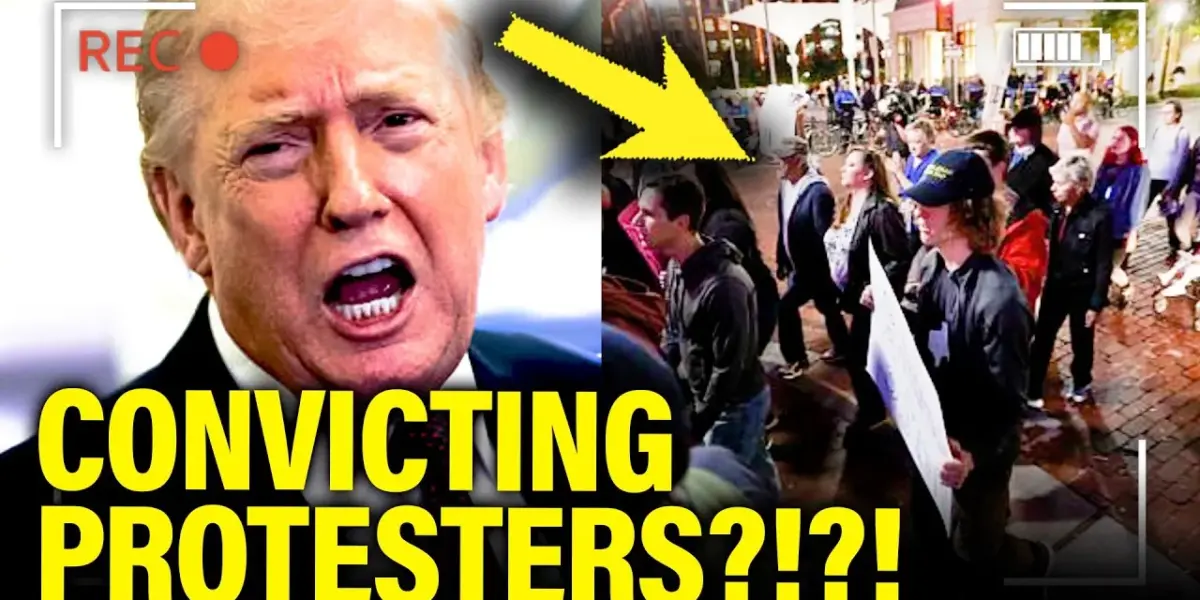
A Texas trial has convicted nine protesters, labeling them as an "Antifa cell" and charging them with terrorism-related offenses. This case highlights how the term 'Antifa' has been distorted into a political weapon to criminalize dissent rather than address actual organized threats.

Texas Trial Twists ‘Antifa’ Label to Criminalize Dissent
The recent conviction of nine protesters in Texas, ostensibly framed as a victory against “Antifa terrorism,” reveals a far more troubling reality: the deliberate distortion of a concept into a political weapon. Prosecutors argued that the demonstrators’ actions outside an immigration detention center amounted to supporting terrorism, branding them as part of an “Antifa cell.” However, this case exposes how the term “Antifa” has been weaponized to criminalize dissent and manufacture a domestic enemy, rather than reflect any actual organized threat.
Deconstructing ‘Antifa’: Beyond a Militant Network
At its core, the problem lies in a fundamental misunderstanding or deliberate misrepresentation of what “Antifa” signifies. It is not an organization, a secret network, or a clandestine movement. The term simply means “anti-fascist” – a declaration of opposition to fascism and authoritarian politics. This stance, built on rejecting nationalism, repression, and the suppression of democratic opposition, is hardly radical. In fact, opposing fascism has been a foundational principle of modern democratic societies, particularly in the United States and globally, since the end of World War II. Most Americans, irrespective of their political affiliation, would likely state that they oppose fascism. Therefore, “Antifa” in this broad sense represents not a fringe movement, but a collective label for individuals who reject fascist politics.
The absence of centralized leadership, membership lists, or formal structure is not evidence of secrecy; it is evidence that the term describes a widely shared belief rather than a coordinated movement. There is no headquarters for those who oppose fascism, nor a chain of command for ordinary citizens objecting to authoritarian rule. This inherent lack of organization is precisely what makes the label so susceptible to political manipulation.
The Political Weaponization of ‘Antifa’
In recent years, Donald Trump and his allies have actively sought to recast “Antifa” as something sinister. Trump repeatedly described it as a terrorist organization, even attempting to designate it as such, despite lacking the legal authority. This effort was less about legal accuracy and more about political storytelling. By portraying “Antifa” as a shadowy extremist network, a convenient domestic enemy was created. The name itself, sounding foreign and vaguely militant, was politically useful, drawing a resemblance to known terrorist groups and encouraging supporters to imagine political opposition as an internal conspiracy rather than the voice of ordinary Americans.
This narrative serves a clear purpose: if critics of government policy can be labeled terrorists, their arguments no longer need to be addressed; they can simply be dismissed as enemies of the state. The Texas case illustrates how this rhetoric is transitioning from political theater into the justice system.
The Texas Case: From Protest to Prosecution
The charges originated from a Fourth of July protest at the Prairilland immigration detention center near Fort Worth. Demonstrators gathered for a “noise protest,” a common tactic to show solidarity with detainees. The intention was to make detainees aware that people outside supported them. However, the situation escalated when a small group of protesters vandalized property, including spray-painting surfaces, slashing tires of a government vehicle, and damaging a security camera. When confronted by guards and police, the situation intensified, leading to a protester firing a rifle and striking an officer. While the shooting was a serious and criminal act, the prosecution’s approach extended far beyond the actions of the individual involved.
Instead, the prosecution argued that the entire group was part of a coordinated terrorist conspiracy tied to “Antifa.” Nine defendants were tried together on charges including rioting, weapons offenses, attempted murder, and providing material support for terrorism. Yet, even within the trial, the notion of an organized “Antifa” cell proved difficult to substantiate. Some defendants had never met before the protest, while others knew each other through unrelated social circles like book clubs or firearms training groups.
Circumstantial Evidence and the Erosion of Legal Standards
The prosecution relied heavily on circumstantial evidence to suggest ideological extremism. This included anti-Trump stickers, left-wing reading materials, and small independent publications. One pamphlet displayed to the jury, featuring a swastika being thrown into a trash can, was presented as evidence of extremism, when in fact, it’s a straightforward symbol of anti-fascism. Encrypted messaging apps like Signal, which offer disappearing messages, were also cited as evidence of conspiracy. However, this practice is common among journalists, activists, ordinary citizens, and even government entities. The prosecution also pointed to the defendants’ dark clothing as “tactical gear,” despite many items being readily available at retail stores.
Crucially, the terrorism statute used in the case does not require any connection to a terrorist organization. Legally, prosecutors did not need to prove “Antifa” existed as a group; the charge only requires demonstrating that someone assisted another person in committing certain serious crimes. This contradiction became apparent when the presiding judge questioned why the term “Antifa” was even included in the jury instructions, highlighting the gap between the political narrative and the legal framework.
Why This Matters
The Texas case signifies a dangerous turning point where political leaders increasingly treat dissent itself as a threat. Protesters opposing government policies – whether on immigration, policing, or rhetoric – are being reframed as extremists. By invoking “Antifa,” the government blurs the line between legitimate protest and terrorism, eroding a fundamental democratic principle. In democratic societies, protest is not only legal but essential; it’s a primary means for citizens to express opposition. When dissent is recast as terrorism, this principle begins to erode.
Implications, Trends, and Future Outlook
The persistence of the “myth of Antifa” serves to deflect attention from genuine political extremism. Ironically, the most significant political extremism in contemporary American politics often comes from movements openly questioning democratic norms, attacking electoral legitimacy, and embracing authoritarian rhetoric. Labeling ordinary critics as terrorists allows these movements to avoid scrutiny of their own radicalism. The “Antifa” label, therefore, is not about uncovering a hidden conspiracy but about executing a political strategy: when arguments fail to silence dissent, criminalization becomes the recourse.
This trend suggests a future where political opposition, particularly from grassroots movements challenging established policies, will continue to face increased scrutiny and potential criminalization under broad definitions of extremism. The ease with which a decentralized, ideologically broad term like “anti-fascist” can be co-opted and weaponized by authorities indicates a worrying precedent for free speech and assembly. Millions of Americans, from teachers and students to workers and journalists, identify with the belief that authoritarian politics should be resisted. Labeling this widespread sentiment as “terrorism” does not reveal a hidden threat; it exposes a deliberate political tactic to undermine democratic engagement.
Historical Context
The fight against fascism has deep historical roots, particularly in the mid-20th century. Following World War II, the rejection of fascist ideologies became a cornerstone of the post-war international order and American political identity. The term “anti-fascist” itself evokes a legacy of resistance against totalitarian regimes. The contemporary effort to equate this historical opposition with modern-day terrorism represents a significant departure, twisting a widely accepted value into a pejorative label for political opponents.
The current strategy echoes historical tactics where dissenters were often branded as threats to national security to suppress opposition. By leveraging the fear associated with terrorism, political leaders can bypass substantive debate and consolidate power, a tactic seen throughout history in both authoritarian and democratic states facing internal dissent.
Source: Trump WAR on Protesters Takes DARK Turn…in TEXAS (YouTube)

Related Articles
House Republicans Reject Senate Deal, Sparking Government Funding Clash
House Republicans have rejected a Senate bill to end the government shutdown, citing insufficient border security measures. Congressman Randy Fine called the Senate deal a "disgrace" and highlighted the ongoing fight for full government funding. President Trump's executive order to pay TSA agents offers temporary relief, but the core disagreement over border security continues to paralyze Washington.


Xi Jinping Stays Home, Fuels Military ‘Blood Feud’ Fears
Xi Jinping's unusual 133-day stay in Beijing and his cautious visit to Xiongan highlight deep-seated security fears and potential military discontent. A past flood disaster involving the 82nd Group Army may fuel a "blood feud" against the leader.


Ukraine’s New Strategy Cripples Russian Oil Exports
Ukraine's new multi-layered strategy is rapidly disabling Russia's oil export capabilities. By attacking loading facilities and working with allies to intercept the "shadow fleet," Ukraine is significantly reducing Russia's oil revenues, even amidst rising global energy prices.