Texas Supreme Court Halts Dallas Vote Extension Amid Primary Chaos
The Texas Supreme Court has temporarily blocked an order extending voting hours in Dallas County amid a chaotic Democratic U.S. Senate primary. The court mandated that votes cast after 7 p.m. must be separated, creating uncertainty and logistical challenges.

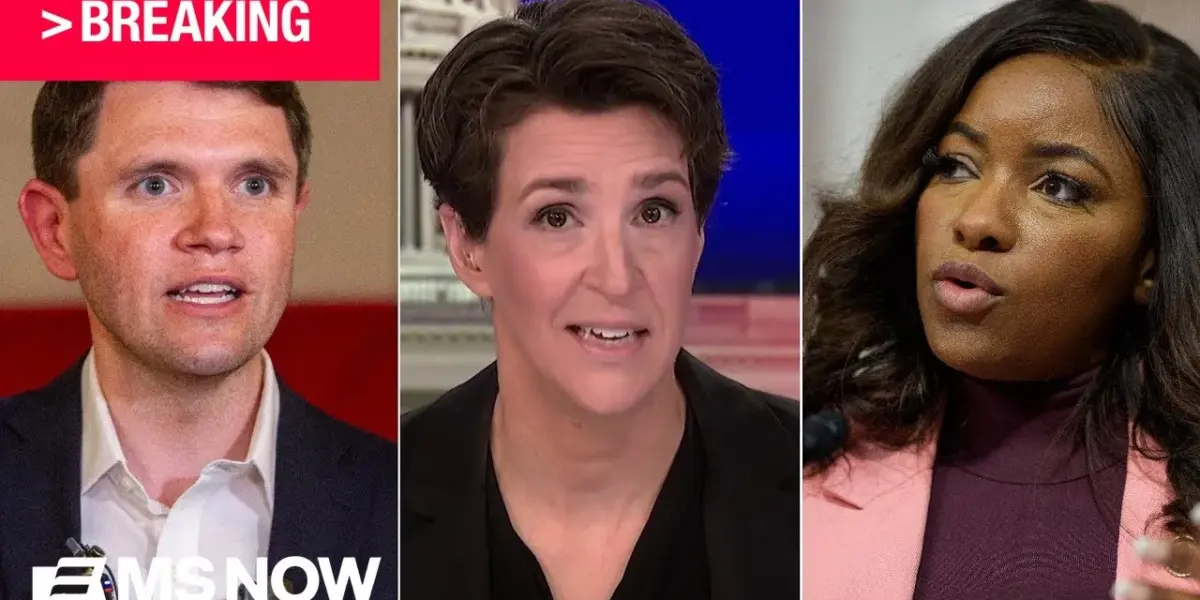
Texas Supreme Court Intervenes in Dallas Election Controversy
The Texas Supreme Court has temporarily blocked a lower court’s order that would have extended voting hours in Dallas County, a move that has thrown the ongoing Democratic U.S. Senate primary into further disarray. The ruling comes after widespread confusion and issues with election administration in Dallas County on Tuesday, prompting a local judge to grant an extension. However, Texas Attorney General Ken Paxton swiftly appealed, leading to the state’s highest court stepping in to issue a stay.
Behind the Dallas County Voting Snafu
The controversy originated when the Republican Party of Dallas County opted against countywide voting, insisting on voters using their assigned polling locations. This decision, according to veteran Texas political observer Evan Smith, host of “Overheard with Evan Smith” on Austin PBS, led to Democratic voters arriving at their usual polling places only to be turned away. In response to the disenfranchisement of voters, a Dallas County judge ordered the polls to remain open until 9 p.m. local time.
Supreme Court’s Intervention and Vote Separation Mandate
Attorney General Ken Paxton immediately petitioned the Texas Supreme Court to overturn the Dallas judge’s order. In a decision handed down within hours, the Texas Supreme Court issued a temporary block, effectively halting the extension of voting hours. Crucially, the court ordered that votes cast by individuals who were not in line by the original 7 p.m. closing time must be separated. The fate and status of these separated votes remain unknown, creating significant uncertainty in the vote count.
“Voting should occur only as permitted by Texas Election Code section 41-032. Votes cast by voters who were not in line to vote at 7 p.m. local time should be separated,” the Texas Supreme Court’s order stated.
Implications for the Democratic Senate Primary
The unfolding situation has significant implications for the Democratic U.S. Senate primary, particularly for Congresswoman Jasmine Crockett, who represents a Dallas district. Dallas County is a key area where Crockett was expected to gain ground. The legal challenges and the uncertainty surrounding the separated ballots could impact the final outcome of a race that, as of early reporting, showed James Talarico leading Jasmine Crockett with less than half the vote counted.
Analysis: A Calculated Move or ‘Crazy Stuff’?
Evan Smith described the situation as “crazy stuff” and “a mess,” escalating from an already chaotic election day. The intervention by Attorney General Ken Paxton, a candidate on the ballot himself, has drawn criticism. “It’s pretty insane to have a candidate who’s on the ballot being the litigant who gets to decide,” commented one observer. The move is seen by some as a strategic effort to sow distrust in the electoral process, particularly in urban, Democratic-leaning areas.
The core of the issue, according to analysis, stems from a dispute over a memorandum of understanding regarding countywide voting and a demand for paper ballots, which critics link to election denialist obsessions. The requirement to separate ballots cast after 7 p.m. presents a significant logistical challenge, as election officials may not have the means to identify and segregate these votes accurately, especially across numerous precinct locations.
Broader Concerns and Future of Voting Rights
Beyond the immediate impact on the primary, the events in Dallas raise broader concerns about election administration and voting rights in Texas. Critics argue that such actions create confusion and mistrust among voters, potentially impacting turnout in future elections, including the general election in November. The strategy, some suggest, aligns with a broader narrative promoted by some in the Republican party to cast doubt on votes from urban centers and areas with significant minority populations.
The difficulty in implementing the Texas Supreme Court’s order to separate ballots is a significant point of contention. Election officials may struggle to identify which voters were in line by 7 p.m. without prior demarcation, making the task of segregation “arcane, if not impossible.” This logistical hurdle, coupled with the legal maneuvering, suggests a potential for prolonged litigation rather than a clear resolution.
What’s Next in Dallas Election Dispute
The Texas Supreme Court has indicated that the petition for writ of mandamus remains pending, meaning further legal action and rulings are possible. All eyes will be on how Dallas County election officials navigate the court’s order to separate votes and what the ultimate decision will be regarding their validity. The ongoing legal battles and the methods employed to resolve them will be closely watched as indicators of the challenges facing election administration and voter access in Texas moving forward.
Source: 'Crazy stuff': Texas Supreme Court steps into chaotic Dallas vote controversy (YouTube)

Related Articles

Cooper Claims NC Senate Nod, Vows to Fight for Change
Roy Cooper has won the Democratic nomination for the U.S. Senate in North Carolina, expressing humility and excitement to pursue change in Washington. He acknowledged fellow primary candidates and offered condolences to families of fallen service members, framing his campaign as a fight for those seeking a different direction in federal governance.

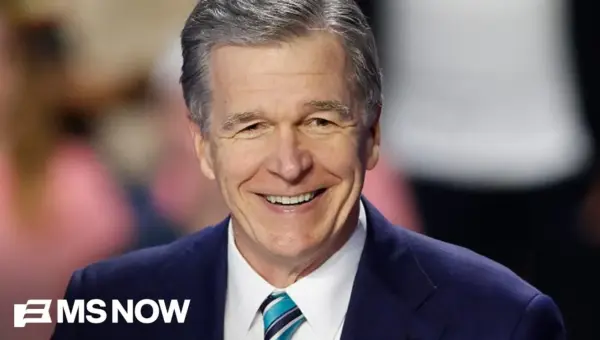
Roy Cooper Wins NC Senate Primary, Vows to Oust DC Insiders
Roy Cooper has won the Democratic nomination for the U.S. Senate in North Carolina, defeating primary challengers. He vowed to unseat "DC insiders" and focus on economic relief for families.

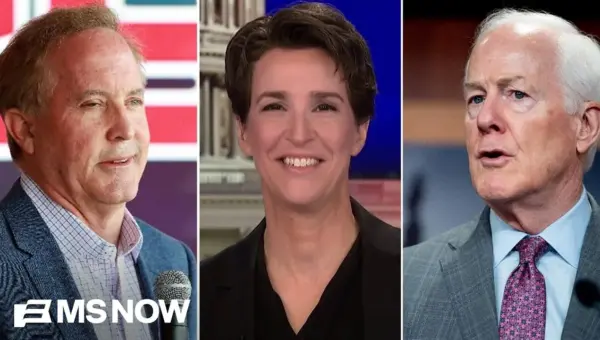
Cornyn Faces Uphill Battle in Texas Senate Runoff Against Paxton
Incumbent U.S. Senator John Cornyn faces a tough runoff against Texas Attorney General Ken Paxton on May 26th. Cornyn's campaign is highlighting Paxton's legal troubles and alleged personal misconduct, but the influence of Donald Trump and anti-Washington sentiment pose significant challenges for the incumbent.