Texas Redux: GOP’s Self-Inflicted Wounds Fuel Democratic Hopes
The Texas primary has exposed deep fissures within the Republican party, highlighting Latino voter shifts and a costly Senate runoff. Analysts suggest this, combined with Trump's controversial actions, creates a challenging landscape for the GOP and a potential opening for Democrats.

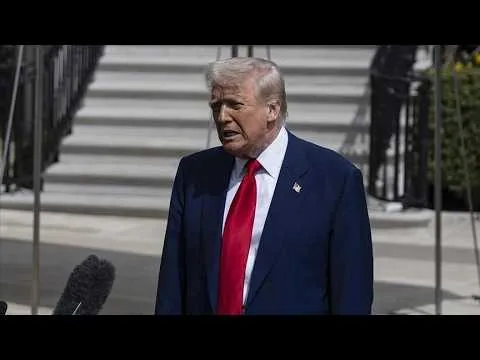
Texas Primary Fallout Signals Troubled Waters for Republicans
The recent Texas primary elections have sent ripples of concern through the Republican party, with analysts suggesting a series of self-inflicted wounds could significantly impact their electoral prospects. The outcomes in South Texas, particularly the overperformance of Democrat James Telerico among Latino voters, coupled with a protracted and costly Republican Senate primary runoff, paint a grim picture for the GOP’s national ambitions.
Latino Vote: A Shifting Landscape
The overperformance of Telerico in South Texas and the Rio Grande Valley among Latino voters is a particularly potent signal. Historically, this demographic has been a key battleground, but recent trends suggest a growing openness to Democratic candidates. This overperformance is not just a regional anomaly; it highlights a potentially decisive voting bloc that could shape the outcome of future elections, including the critical 2026 midterms.
GOP Senate Primary: A Costly Divisive Battle
The Republican race for the Senate has devolved into a bitter runoff between John Cornyn and Ken Paxton, neither of whom secured the necessary 50% threshold. This means an additional three months of internal conflict, further driving down favorable ratings for both candidates and the party at large. The financial toll is staggering, with the Texas Senate primary already the most expensive on record, nearing $130 million, with a significant portion allocated to the Republican side. Instead of focusing resources on challenging Telerico, the GOP is now compelled to pour millions into an internal battle, a scenario described as an “absolute nightmare.”
The Broader GOP Environment: More Than Just Texas
The immense spending in a traditionally red state like Texas underscores a broader, more challenging environment for the GOP. If $100 million is being spent in Texas, it raises concerns about the costs and competitiveness of races in states like North Carolina, Alaska, Maine, and Ohio – states generally considered more swing-oriented. With strong Democratic candidates in these areas, and a potential for Democrats to overperform by significant margins, the GOP faces an uphill battle to retain or gain Senate seats.
Trump’s Influence: A Double-Edged Sword
The analysis suggests that Donald Trump’s continued influence may be exacerbating these challenges. Actions such as rising costs attributed to trade wars, ongoing controversies surrounding the Epstein files, and the emergence of new Middle Eastern conflicts that impact gas prices and stock markets are seen as detrimental to the Republican brand. The argument is that these events, coupled with Trump’s own actions, could depress Republican turnout while simultaneously energizing the opposition.
A Democratic Opportunity: Beyond Complacency
The narrative presented is not one of complacency for Democrats, but rather an acknowledgment of a tangible opportunity. The possibility of winning statewide in Texas for the first time since 1994, and potentially securing control of both chambers of Congress, is framed as within reach. Such victories would serve as a critical check on potential abuses of power and could also pave the way for a transformation of the Democratic Party itself – making it younger, more progressive, more tech-savvy, and more representative of its constituents.
The Epstein Files and the Erosion of Trust
A significant portion of the discussion delves into the ongoing controversy surrounding the Department of Justice’s handling of the Jeffrey Epstein investigation and the release of related files. The testimony of James Comey, and the decision to call figures like the Clintons before oversight committees, is analyzed. The core argument is that the precedent set by these actions, regardless of intent, has lowered the bar for accountability and potentially created a political dynamic that benefits Donald Trump by distracting from his own potential involvement.
Trump’s Role and the Cover-Up Allegations
The transcript strongly suggests that Donald Trump has actively sought to obstruct the release of information related to the Epstein case, particularly files that might implicate him. The implication is that the very individuals who campaigned on exposing a “criminal cabal” are now, in positions of power, either complicit in or actively participating in cover-ups. This is seen as a profound inconsistency that erodes public trust and highlights a pattern of behavior where personal and economic interests supersede stated principles.
Foreign Policy and the Specter of War
The conversation also touches upon the escalating geopolitical tensions, drawing parallels between the current situation and the lead-up to the Iraq War under the Bush administration. The lack of a clear rationale for military actions, the shifting justifications, and the potential for regional escalation are highlighted as deeply concerning. The impact on oil prices, stock markets, and the loss of military lives are presented as immediate consequences of a foreign policy characterized by impulsivity and a disregard for established norms and international law.
Executive Power and Election Integrity
A significant concern raised is the potential for Donald Trump to leverage foreign conflicts or perceived election interference as a pretext to assert extraordinary domestic powers, particularly concerning election integrity. The discussion points to reports of memos suggesting expanded presidential authority over voting and Trump’s own rhetoric linking foreign adversaries to election interference. This raises fears of authoritarian overreach and a continued effort to undermine democratic processes through unsubstantiated claims and the pursuit of unchecked executive power, with the courts being the primary bulwark against such actions.
Why This Matters
The convergence of these factors – a shifting electoral landscape in key demographics, deep internal divisions within the Republican party, the persistent shadow of controversial investigations, and a volatile foreign policy – creates a complex and potentially transformative political environment. The analysis suggests that the GOP is facing a confluence of challenges that could lead to significant electoral setbacks, while simultaneously presenting Democrats with an opportunity to consolidate power and reshape the party’s future. The ongoing erosion of public trust, fueled by allegations of cover-ups and the potential for authoritarian overreach, underscores the high stakes for American democracy.
Implications and Future Outlook
The implications of these trends are far-reaching. A strong Democratic showing could lead to a more robust check on executive power and a potential shift in policy priorities. Conversely, if the GOP can navigate these challenges, particularly by rallying its base around Trump’s narrative, the political landscape could remain deeply polarized. The future outlook suggests a continued battle for the hearts and minds of key voting blocs, an ongoing struggle for narrative control, and a critical need for vigilance in safeguarding democratic institutions and processes.
Historical Context
The discussion implicitly draws on historical parallels, from the costly and controversial Iraq War to the long-term implications of shifting demographics in American politics. The emphasis on the erosion of trust in institutions, particularly in the context of investigations and political discourse, echoes past periods of significant national division. The reference to the War Powers Act and the balance of power between branches of government highlights enduring constitutional debates that are re-emerging with renewed urgency.
Source: DISASTER: Trump faces WORST CASE SCENARIO amid election nightmare (YouTube)

Related Articles
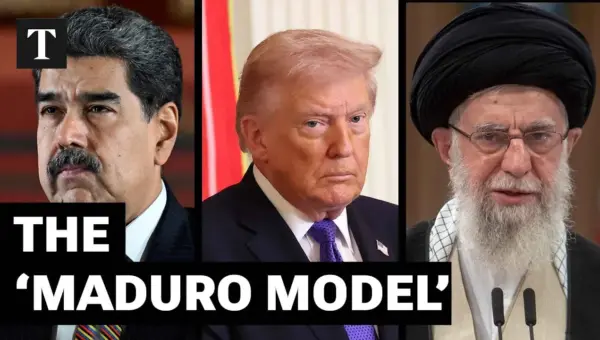
US-Israel Strike Iran’s Police State, Trump Eyes ‘Maduro Model’
The U.S. and Israel have launched a significant aerial assault targeting Iran's internal security forces, aiming to degrade the regime's capacity for repression. Amidst the strikes, President Trump has alluded to a potential "Maduro model" for leadership transition, while experts caution about the challenges of fostering internal dissent under duress.
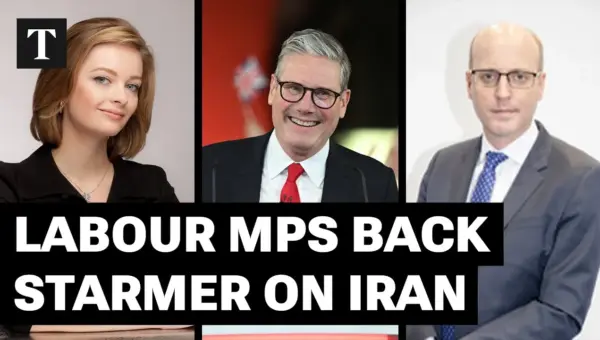
Labour MPs Rally Behind Starmer’s Stance Against Trump
Labour MPs are reportedly backing Keir Starmer's critical stance on Donald Trump's Iran policy, a move that has drawn the former US President's ire. While this may strengthen Starmer's domestic position, concerns remain over potential economic repercussions and the UK's defense preparedness amidst escalating global tensions.

Trump’s Iran Strikes: A Fragile Ego Fuels Foreign Policy
A Reuters report suggests Donald Trump's decision to attack Iran was driven by a desire to appear strong, influenced by ally pressure and personal ego. This analysis explores the implications of ego-driven foreign policy.