Texas Primaries Signal Shifting Political Tides
The Texas primaries offer a critical snapshot of the evolving American political landscape, revealing internal party dynamics and the issues that resonate with voters. These results signal shifts in ideological power and highlight the growing importance of demographic changes in shaping electoral outcomes.


Texas Primaries Signal Shifting Political Tides
The recent Texas primaries, while ostensibly a routine electoral event, offer a compelling snapshot of the evolving political landscape. As the nation’s second-largest state, Texas’s electoral outcomes often serve as bellwethers, providing early indications of broader trends and voter sentiments that can ripple across the country. This analysis delves into the implications of the Texas primary results, exploring the underlying dynamics and what they might portend for the upcoming general election and the future of both major parties.
The Battle for the Soul of the Parties
Primaries are inherently contests within parties, revealing internal ideological debates and the strength of various factions. In Texas, as in many other states, we are seeing a continued push and pull between different wings of the Republican and Democratic parties. For Republicans, the results indicate a persistent influence of the Trump-aligned base, often prioritizing cultural grievances and a strong stance against perceived establishment forces. This was evident in the close contests and the focus on issues that resonate deeply with this core constituency.
On the Democratic side, the primaries highlighted the ongoing tension between progressive and moderate wings. While progressive voices have gained significant traction in recent years, the results in Texas suggest that moderate candidates and approaches still hold considerable sway, particularly in more diverse or suburban districts. The challenge for Democrats lies in unifying these factions to present a cohesive front against Republican opposition.
Key Races and Their Significance
While the provided transcript focuses on the live results, understanding the context of specific races is crucial. Many primary contests in Texas often involve incumbents facing challenges from within their own party, testing their vulnerability and their alignment with the shifting moods of their constituents. These intra-party battles are often more revealing than the general election matchups, as they expose the fault lines that could widen or narrow as campaigns progress.
The outcomes in districts with significant demographic shifts are particularly noteworthy. As Texas continues to grow and diversify, the electoral calculus for both parties is in flux. Races in suburban areas, often considered swing districts, are critical indicators of how different voting blocs are responding to the national political climate and the specific issues being debated at the state and local levels.
The Role of Key Issues
The issues that dominated the Texas primaries offer insight into the priorities of the electorate. While specific issues can vary by district, common themes likely included border security, the economy, education, and social issues. The Republican platform often centers on border security and a conservative social agenda, while Democrats typically emphasize economic fairness, climate action, and reproductive rights.
The intensity with which these issues are debated in the primaries often reflects their salience to the party bases. Candidates who can effectively tap into the anxieties and aspirations surrounding these key issues are often the ones who emerge victorious. The results from Texas suggest that voters are looking for candidates who not only articulate their positions clearly but also demonstrate a genuine understanding of the challenges facing their communities.
Historical Context
Texas has a rich and complex political history. Once a Democratic stronghold, it has transformed into a reliably Republican state over the past few decades. However, its growing population and shifting demographics mean that the state is becoming increasingly competitive, particularly in its major urban centers and surrounding suburbs. The primaries serve as an early gauge of whether this trend towards competitiveness will accelerate.
Understanding this historical trajectory is vital. The conservative identity of Texas was forged over decades, influenced by factors ranging from economic development to cultural shifts. The current political battles within the state are, in part, a reflection of this legacy and the ongoing process of redefining what it means to be Texan in a rapidly changing America.
Why This Matters
The Texas primaries are more than just a preliminary step in the electoral process; they are a crucial indicator of national political mood. As a large and diverse state with a significant number of electoral votes, Texas plays a pivotal role in presidential elections and has a substantial impact on congressional control. The dynamics revealed in its primaries can foreshadow outcomes in other states with similar demographic or political characteristics.
Furthermore, the internal party battles playing out in Texas often mirror broader ideological struggles within the Democratic and Republican parties nationwide. The success or failure of certain types of candidates and platforms in Texas can influence campaign strategies and messaging across the country. For political strategists, pollsters, and commentators, the Texas primaries provide invaluable data for understanding the direction of American politics.
Implications, Trends, and Future Outlook
The implications of the Texas primaries extend beyond the immediate electoral cycle. They highlight several key trends shaping American politics:
- The enduring power of the conservative base: The continued strength of candidates aligned with the populist conservative movement suggests that this faction remains a dominant force within the Republican party.
- The evolving role of suburban voters: As demographics shift, suburban districts are becoming increasingly critical battlegrounds. The ability of either party to win over these voters will be crucial for future electoral success.
- The ongoing ideological debates within parties: Both the Democratic and Republican parties are grappling with internal divisions. The primaries offer a glimpse into how these debates are playing out on the ground and which factions are gaining or losing influence.
Looking ahead, the Texas primaries serve as a critical data point for understanding the challenges and opportunities facing both parties. For Republicans, the challenge will be to maintain unity and appeal to a broader electorate beyond their base. For Democrats, the task will be to mobilize their diverse coalition and effectively counter the Republican message, particularly on issues like the economy and border security.
The future outlook for Texas politics is one of increasing competition and potential volatility. While the state has a Republican lean, its growing diversity and the intensity of its internal political debates suggest that it could become a more contested state in the coming years. The outcomes of these primaries are a clear signal that the political ground in Texas, and by extension, in America, is constantly shifting.
Source: LIVE: TEXAS PRIMARY RESULTS (YouTube)

Related Articles


Texas Primaries: GOP Battles Rage, Senate Control Hangs in Balance
High-stakes Republican primaries in Texas tonight could determine control of the U.S. Senate. Incumbent John Cornyn faces a strong challenge from Ken Paxton, while Democrats eye an opportunity amid GOP divisions. The outcomes will shape the battle for the Senate majority.


GOP’s Iran Stumble: Contradictions Expose Leadership Void
The Republican party is grappling with a significant communication crisis following recent joint U.S.-Israel strikes in Iran. Conflicting statements from officials, including Senator Markwayne Mullin and Senator Marco Rubio, reveal a struggle to maintain a consistent narrative and justify the military actions, leading to widespread accusations of hypocrisy and incompetence.
Incumbents Face Fierce Primaries in Texas, NC
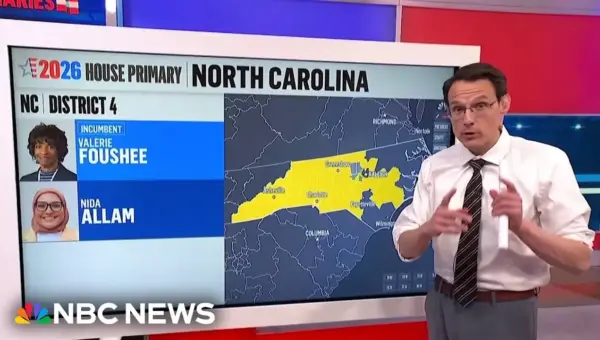
Voters in Texas and North Carolina are participating in key primaries today, with incumbent Senators John Cornyn and House member Valerie Foushee facing significant challenges. The Texas Senate race, in particular, is drawing national attention with competitive contests on both sides of the aisle.