Tesla Model Y Standard: The Budget EV Compromise?
The Tesla Model Y Standard offers an affordable entry into the popular EV SUV, but significant feature deletions raise questions about its value. While efficient and technologically capable, the compromises might push buyers towards the premium trim.

Tesla Model Y Standard: The Budget EV Compromise?
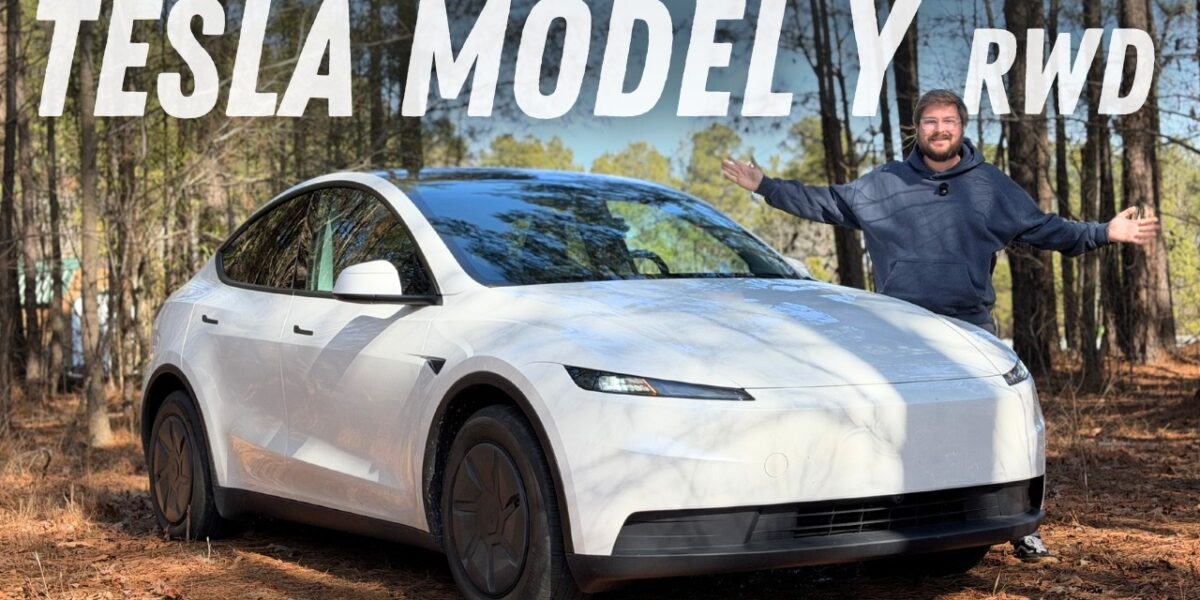
After two months of living with the entry-level Tesla Model Y Standard, the verdict remains: while it offers a compelling gateway into the Tesla ecosystem, significant compromises detract from the premium experience, making the slightly more expensive Model Y Premium a more recommendable, albeit pricier, proposition for many.
The Model Y Standard, priced just under $40,000 before destination and delivery fees (bringing it to approximately $41,000), aims to democratize the popular electric SUV. However, in its quest for affordability, Tesla has stripped away several features that define the Model Y experience, leaving a vehicle that feels decidedly less premium than its siblings. Despite these decontenting measures, the Standard model retains Tesla’s core technological strengths, offering remarkable efficiency and a glimpse into the brand’s advanced driver-assistance systems.
Key Specifications and Performance
While specific performance figures for the Standard model vary slightly, it generally offers around 300 horsepower and achieves 0-60 mph in just over 6 seconds. Its standout feature is its exceptional efficiency, achieving well over 4 miles per kilowatt-hour in testing, even in cold weather. This makes it one of the most efficient SUVs tested, surpassing even the Model 3 Standard in certain metrics. The vehicle utilizes Tesla’s updated 4DU drive unit, contributing to its impressive energy consumption. EPA-estimated range is rated at 321 miles, identical to the Model 3 Standard, though real-world highway range tests at 70 mph yielded around 260 miles.
Interior and Features: Where the Compromises Lie
Visually, the Model Y Standard is easily identifiable by its 18-inch aero wheels and limited color options. Inside, the most significant departure from the premium model is the lack of physical seat controls. Adjustments must be made through the touchscreen, a process deemed frustrating and inconvenient, especially during driving. The removal of the glass roof in favor of a less-premium headliner also impacts the cabin’s ambiance, reducing natural light and creating a darker, less airy feel. Furthermore, the absence of basic Autopilot functionality, which includes lane centering, is a notable omission, especially when compared to competitors that offer similar features as standard. While Tesla’s Full Self-Driving (FSD) subscription is available for $99 a month, its high cost makes it a significant addition for budget-conscious buyers.
Other decontented features include a less refined sound system and headlights that, in initial testing, were found to be aimed too low, though this was adjustable. The front trunk (frunk) also uses a less robust material compared to the Model 3, and the center console design with its pop-out cup holders and protruding metal bar is less ergonomic than the premium version’s armrest.
Value Proposition and Target Buyer
The Model Y Standard is positioned as the most affordable entry point into the Model Y lineup. For buyers prioritizing cost of ownership and fundamental EV technology, it presents a compelling case. Its efficiency, reliability, and the Tesla charging network integration are significant advantages. However, the $5,000 price difference between the Standard and Premium models feels insufficient given the feature disparity. For those who can stretch their budget, the Model Y Premium offers a noticeably better experience with enhanced acceleration, improved ride quality, a more premium interior, and desirable features like the glass roof and superior sound system.
The target buyer for the Model Y Standard is likely someone seeking basic, reliable, and cost-effective transportation that offers the efficiency and technological integration of a Tesla. It’s an attractive option for those new to EVs or those looking for a practical daily driver without the bells and whistles. However, the lack of basic driver aids like lane centering out of the box is a significant drawback that warrants consideration.
Verdict
The Tesla Model Y Standard is a competent electric SUV that delivers on efficiency and core Tesla technology. Its impressive range, excellent thermal management, and the potential of FSD make it a capable vehicle. However, the compromises made to achieve its lower price point are substantial. The frustrating seat controls, lack of basic driver assists, and less premium interior materials detract from the overall ownership experience. While it offers better value than some direct competitors like the Nissan Leaf in certain aspects, the internal competition within Tesla’s own lineup is its biggest challenge. For most buyers, the additional $5,000 for the Model Y Premium will likely be a worthwhile investment, offering a more complete and enjoyable Tesla experience. The Standard model is a good car, but it falls short of being a great one, especially when compared to its higher-trim counterpart.
Source: Tesla Model Y Standard (RWD) – 2 Month Review (YouTube)

Related Articles

Polestar 4: A Cool EV With A Catch
The Polestar 4 offers a compelling blend of striking design, a luxurious interior, and advanced technology, positioning itself as a stylish alternative in the EV market. While its unique styling and performance are noteworthy, potential buyers should consider its compromises in rear visibility and charging speeds.


Used EVs Offer Strong Value Proposition for Consumers
Consumers are finding significant value in the used electric vehicle market, with some models like older Teslas retaining their value remarkably well. This trend offers a compelling alternative to purchasing new vehicles, highlighting the long-term cost-effectiveness of pre-owned EVs.


Tesla Slashes Prices, Making Model 3 More Accessible
Tesla has introduced a more affordable rear-wheel-drive Model 3, significantly lowering the barrier to entry for its popular EV. This move comes as European EV sales surge, highlighting the growing demand for electric mobility.