Tesla Cybercab Interior Revealed: Production Ready for April Launch?
Tesla's upcoming Cybercab, nearing production, offers a first look at its spacious interior and comfortable ride. Designed for ride-sharing, it prioritizes passenger comfort and autonomous capability over traditional car features, aiming for cost-effective scaling.

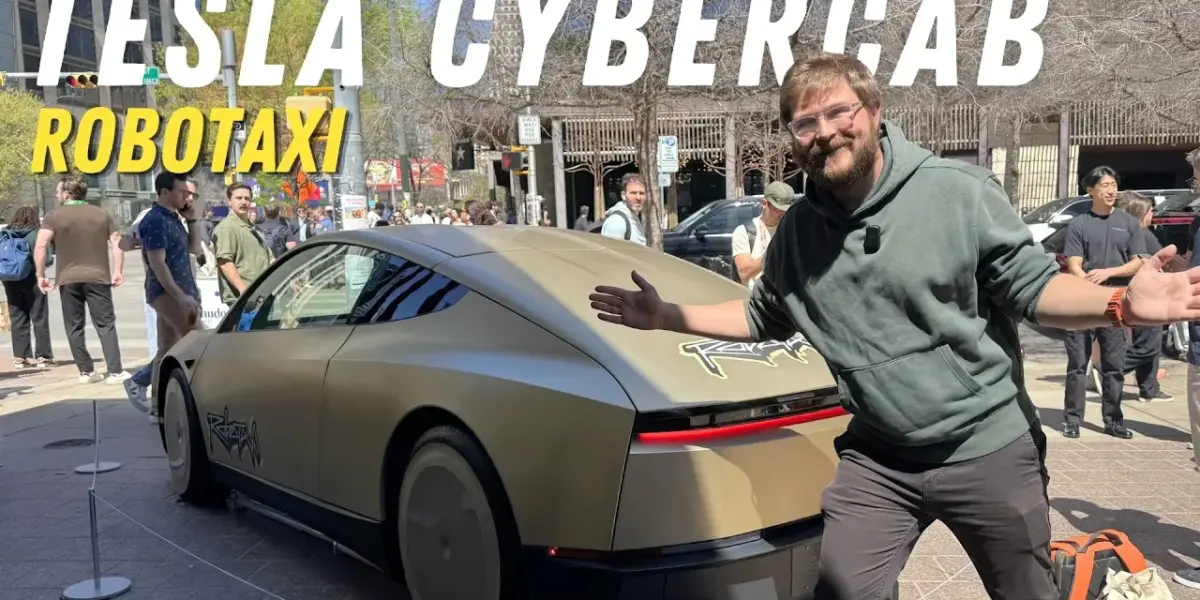
Tesla Cybercab: First Look Inside the Robo-Taxi of Tomorrow
The future of ride-sharing is closer than you think. Tesla’s Cybercab, poised for production to begin in Austin, Texas, this April, offers a glimpse into autonomous travel. We got an exclusive first look inside a pre-production model, and the question is: is it truly ready for the daily grind?
Cabin Space and Comfort: Room to Roam
Stepping inside the Cybercab is an exercise in spaciousness. For anyone around 5’11”, legroom is practically limitless, easily accommodating individuals up to 6’3″ or 6’4″. The legroom is so generous, it might even make you wonder if that space could have been used elsewhere, though for taller passengers, it’s a welcome feature. Headroom is also good, offering a few inches above your head, though perhaps not as expansive as the legroom.
The seats themselves offer a plush, comfortable experience, described as “squishy” and reminiscent of early Model 3 seats. However, the material used for the seats in this pre-production model felt less premium than expected, with one reviewer noting it looked “cheaper” and more like an “aftermarket” addition rather than a factory finish. The headliner, conversely, is praised for its “cool” fabric texture.
Design and Practicality: Form Meets Function?
The interior design is minimalist, as expected from Tesla. A large, centered screen dominates the dashboard, providing all necessary controls. Interestingly, the USB-C ports have been moved from the cup holders to the bottom of the center console display, a change noted as a positive for easier cleaning. Window switches are also present, though their placement might not be immediately obvious to a new user.
Door operation is a key feature. The doors power open, but closing them involves a manual pull with a specific resistance point before they latch, or a button press on the screen for full power closure. This mechanism is still being refined, and early impressions suggest it might not be entirely finalized. The A-pillars are quite substantial, which could impact visibility if this vehicle were ever intended for manual driving, but for an autonomous taxi, it’s less of a concern.
Ride Quality: Smooth as Silk
Even with minimal movement from the reviewers, the suspension felt “squishy” and responsive to subtle shifts. This is exactly what you want in a robo-taxi. The goal isn’t sporty performance; it’s isolating passengers from road imperfections. The Cybercab’s plush suspension aims to deliver a ride that feels “completely isolated” from bumps and potholes, making for a comfortable journey.
Storage and Charging: Room for Your Belongings
While the Cybercab is a two-seater, it boasts a surprisingly large rear trunk. The storage area is described as “narrow but long,” capable of holding a significant amount of cargo. The rear also houses the NACS charging port, neatly integrated into the design. Notably, there is no front trunk (frunk) in this configuration, a decision likely made to optimize cost and design for a dedicated ride-sharing vehicle.
Target Buyer and Value Proposition
The Tesla Cybercab is not for individual purchase in the traditional sense; it’s designed for ride-sharing fleets. Its purpose is to provide an affordable, autonomous transportation service. When compared to competitors like Zoox, the Cybercab appears to prioritize cost-effectiveness and durability. While Zoox offers a four-seater with more storage options, it’s also noted as being more expensive to produce with a larger battery and dual-motor setup. The Cybercab, by focusing on essential features and mass production efficiency, aims to hit a lower price point, making autonomous ride-sharing more accessible.
Verdict: Promising, But Watch for Production Details
The Tesla Cybercab presents a compelling vision for the future of urban mobility. The interior offers exceptional space and a comfortable ride, crucial for passenger experience. The focus on essential functionality and Tesla’s renowned Full Self-Driving (FSD) suite suggests a robust autonomous capability. However, some interior material choices and door mechanisms still appear to be in flux, indicating that while production is slated for April, there are still details to be finalized. For ride-sharing companies looking to scale, the Cybercab’s design for mass production and cost efficiency is its strongest selling point.
Source: Tesla Cybercab First Look! Cabin Space, Doors, Interior Quality, Trunk Space, Charging Port, Design (YouTube)

Related Articles

BMW iX3 Interior Shines Against Older X3M
The new BMW iX3 showcases a modern and exciting interior, moving away from conservative designs. While it boasts high-tech features and good materials, the older X3M still impresses with its solid build quality and user-friendly physical controls.

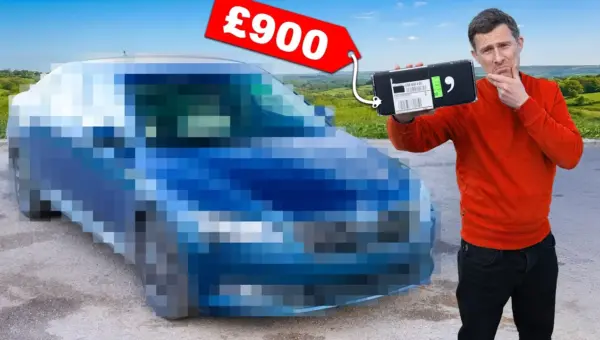
DIY Self-Driving Car Beats Tesla for a Fraction of the Cost
An ambitious DIY project equips a used Skoda Superb with a self-driving system for under £1,000, challenging the cost of premium manufacturer upgrades like Tesla's. The results offer a glimpse into accessible autonomous technology.

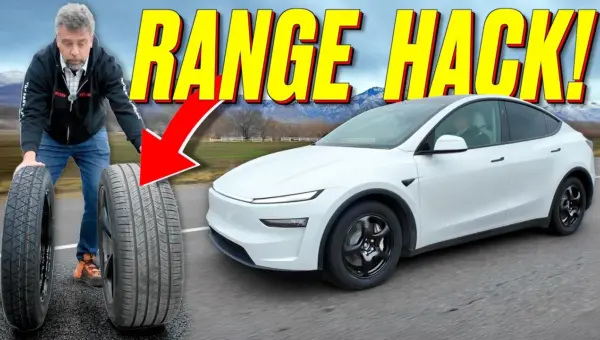
Tesla Model Y Gains Range With Spare Tire Swap
A new spare tire kit for the Tesla Model Y from Modern Spare not only provides crucial peace of mind but also delivers an unexpected efficiency boost. Testing revealed nearly a 10% improvement in range when using the skinny spare tires, making it a valuable addition for road-tripping EV owners.