Tech Giants Face Reckoning Over Youth Harm
A landmark court decision holds social media platforms accountable for the harm caused to children, signaling a potential shift in tech industry responsibility. The ruling emphasizes that companies knew the risks but proceeded, prompting calls for urgent legislative action to match technological speed.


Tech Giants Face Reckoning Over Youth Harm
A recent court decision has brought a moment of justice for parents whose children were harmed by social media platforms. This verdict signals a crucial turning point, suggesting that tech companies can no longer ignore the damage their products cause. The core of the ruling rests on the idea that these companies understood the risks involved but chose to proceed anyway. This decision highlights a fundamental question: is this about business or about doing what’s right?
The Human Cost of Engagement
For many families, the impact of social media on their children has been devastating. The platforms are designed to keep users hooked, often at the expense of mental well-being. When companies are aware of the potential harm, like addiction or exposure to harmful content, and continue to push their services, it raises serious ethical concerns. This case suggests that such actions are not just business decisions but moral failings.
They knew that harm, right? They knew the damage. They assessed the risk and they move forward anyway. And for my opinion, that’s, you know, that’s incorrigible.
The comparison made between social media as a gateway drug and AI as crack heroin is stark. It points to the accelerating pace of technological development and its potential for greater harm. While technology evolves at lightning speed, government regulation struggles to keep up. This gap leaves vulnerable users exposed to new and potentially more dangerous innovations.
The Need for Swift Legislation
While this verdict is a significant victory and offers validation to those who have suffered, it is not the end of the fight. The speaker emphasizes that legal wins must be paired with strong legislation. Without new laws, companies might simply view these penalties as a routine cost of doing business. They could continue their harmful practices, assuming the legal system will always adjust. This would undermine the impact of the verdict and leave future generations at risk.
Historical Context: A Pattern of Neglect?
The history of technology is filled with examples of innovations that outpaced societal understanding and regulation. From the early days of the internet to the current AI boom, there’s a recurring theme: rapid development often precedes a reckoning with its consequences. Companies, driven by profit and growth, have frequently been slow to address negative externalities until forced by public outcry or legal action. This verdict could be a pivotal moment, forcing a more proactive approach from the tech industry.
Why This Matters
This landmark verdict matters because it shifts the burden of responsibility. It suggests that tech companies cannot hide behind terms of service or claims of providing a neutral platform when their designs demonstrably cause harm. For parents and advocates, it’s a powerful affirmation that their concerns are valid and that accountability is possible. It also serves as a warning to the industry that the era of unchecked growth may be coming to an end.
Implications and Future Outlook
The implications of this ruling are far-reaching. It could encourage more lawsuits against tech platforms for various forms of harm. It will likely put pressure on lawmakers to create more robust regulations for social media and AI. The future outlook suggests a more cautious approach from tech companies, at least in the short term. They may reconsider design choices that prioritize engagement over user safety. However, the long-term impact depends heavily on the follow-through with legislative action.
The comparison to a gateway drug and heroin highlights the escalating nature of the problem. As technology becomes more sophisticated, like with AI, its potential to manipulate and addict could increase exponentially. The speed at which AI is developing is a major concern. If regulation doesn’t accelerate, society could be facing even greater challenges than those presented by current social media platforms. This makes the call for swift legislative action even more urgent.
Conclusion: A Call to Action
This verdict is a crucial step, but it is only a step. The true measure of its success will be in whether it leads to meaningful change. This requires not just legal accountability but also a fundamental shift in how technology is developed and deployed. The focus must move from maximizing user time on platforms to ensuring user well-being. Parents and concerned citizens must continue to advocate for strong regulations that protect children and all users from the potential harms of rapidly advancing technology.
Source: Parents of Children Harmed by Social Media Platforms Celebrate Landmark Verdict (YouTube)

Related Articles


Social Media Giants Face Lawsuits Over Addictive Designs
Tech giants Meta and Google are facing significant legal challenges as juries find them liable for the addictive design of their platforms and the harm caused to young users. Recent verdicts in California and New Mexico have ordered the companies to pay millions in damages, highlighting concerns over mental health impacts and child exploitation.


AI Sparks Trust Crisis in Publishing and Law
AI's growing capabilities are causing significant trust issues in both the publishing and legal industries. A novel was canceled over AI writing claims, while courts are seeing an increase in fabricated legal citations. These incidents highlight the urgent need for verification and oversight as AI becomes more integrated into professional workflows.

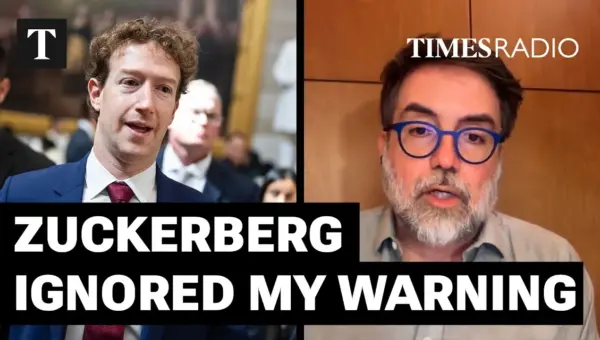
Meta Whistleblower: Zuckerberg Ignored Child Safety Warnings
A former Instagram executive revealed that Meta knew about the harm its platforms caused to children but failed to act. Art Behar testified that Mark Zuckerberg ignored his direct warnings, highlighting the addictive design and ineffective safety tools on Instagram. The recent Los Angeles ruling against Meta has opened the door for greater scrutiny of big tech's practices.