Taxpayer Funds Fuel Luxury Jet Controversy for DHS
The Department of Homeland Security is facing intense scrutiny over its acquisition of aircraft, with critics labeling them "luxury jets with bedrooms." While DHS defends the purchases as cost-saving measures for essential operations like deportations, the optics of lavish spending continue to fuel public debate and raise questions about government priorities and transparency.

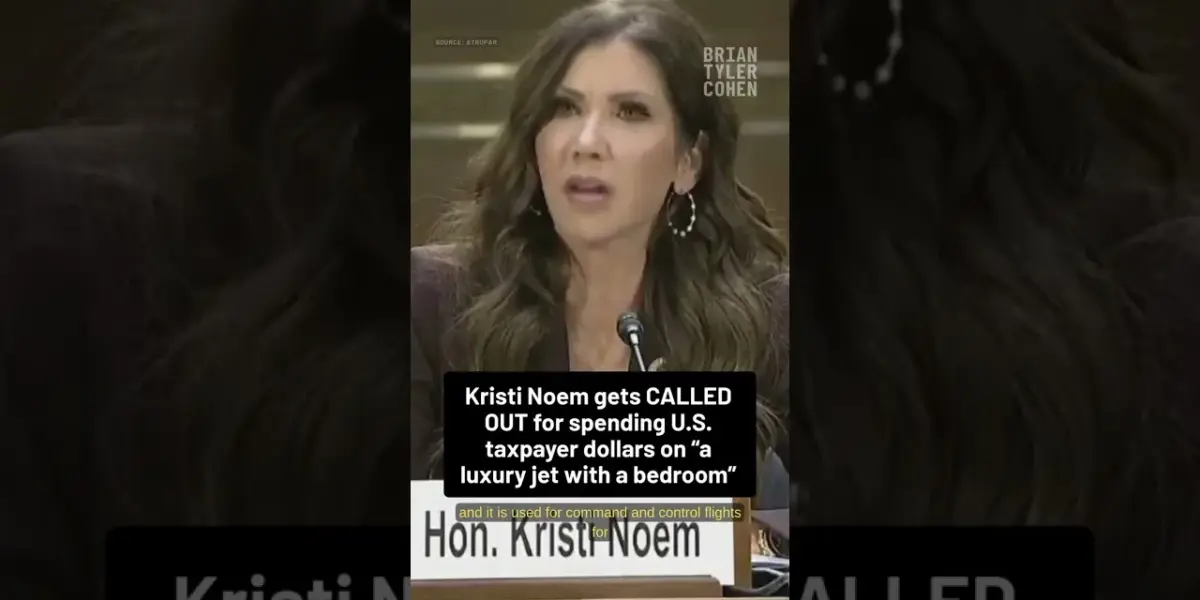
DHS Faces Scrutiny Over Lavish Aircraft Acquisitions
A recent inquiry into the Department of Homeland Security’s (DHS) spending has ignited a firestorm of controversy, centering on the acquisition and use of aircraft that critics are branding as “luxury jets with bedrooms.” The core of the debate revolves around photographs and claims suggesting taxpayer dollars are being diverted to purchase and refurbish aircraft for executive travel and deportation flights, raising serious questions about fiscal responsibility and the optics of government spending.
The Allegations: A Bedroom in the Sky?
The controversy was brought to light when an official was questioned about images depicting the interior of an airplane, which appeared to include a bedroom. The official’s initial response, stating the photos were “not accurate,” did little to quell the rising concerns. Instead, it led to further probing about the nature and purpose of these aircraft, particularly a Boeing 737 that was acknowledged to have been used by administration officials and potentially for command and control flights.
The specific detail that has captured public attention is the alleged presence of a bedroom. When pressed, the official suggested the aircraft was “being refurbished and not having a bedroom in it,” adding a layer of ambiguity to the situation. This back-and-forth suggests a potential attempt to downplay the luxurious aspects of the aircraft while simultaneously admitting to their existence and use.
DHS’s Defense: Cost Savings and Statutory Mandates
Department of Homeland Security officials have defended the purchases by emphasizing potential long-term cost savings for taxpayers. They assert that purchasing aircraft will ultimately save “hundreds of millions of dollars” compared to continuing to contract out services. Furthermore, the use of these aircraft for “long range command and control” is cited as a statutory requirement for the department, dictated by Congress.
A significant portion of the discussion focused on the use of these aircraft for Immigration and Customs Enforcement (ICE) deportation flights. The department stated that approximately $1.442 billion was spent on ICE deportation flights, and that the newly acquired 737s are intended to replace existing contracts for these operations. The justification provided is that similar-sized aircraft with comparable configurations have been used for deportations in the past, implying a precedent for such arrangements.
The Counterarguments: Optics and Priorities
Despite the DHS’s justifications, critics remain unconvinced. The notion of a “luxury jet with a bedroom” being used for deportations strikes many as unseemly and out of touch with the realities faced by the individuals being transported. The question of what kind of deportation justifies such accommodations remains a central point of contention. This raises broader concerns about the priorities of government spending and whether resources could be better allocated elsewhere.
The argument for cost savings is also being met with skepticism. While the long-term savings are presented as a benefit, the immediate expenditure on what are perceived as high-end assets, especially for a department dealing with critical security and immigration issues, raises questions about the timing and the nature of the investment.
Historical Context: A Pattern of Air Travel Debates
Discussions around government officials using taxpayer-funded aircraft are not new. Throughout various administrations, debates have emerged regarding the necessity, cost, and appropriateness of government-owned or leased planes for official travel. These debates often intensify when allegations of extravagance or misuse surface, as seen in the current DHS controversy.
Historically, government agencies have utilized aircraft for a range of purposes, from essential transportation for remote operations to executive travel. The key differentiator has always been the perceived necessity versus luxury, and the transparency surrounding such expenditures. The DHS case highlights how the specific use—executive travel versus essential operational support or, in this instance, deportation flights—can dramatically shape public perception.
Why This Matters
This controversy touches upon fundamental aspects of public trust and accountability in government. When taxpayer money is spent on what appears to be opulent services, especially for sensitive operations like deportations, it erodes public confidence. The perception of extravagance, regardless of the stated cost-saving intentions, can overshadow the department’s core mission and lead to accusations of misplaced priorities.
Moreover, the debate underscores the importance of transparency in government spending. Clear communication about the purpose, cost, and necessity of such acquisitions is crucial. Without it, speculation and criticism are bound to arise, potentially hindering the effective functioning of government agencies.
Implications, Trends, and Future Outlook
The DHS aircraft spending controversy is indicative of a broader trend where government expenditures are under intense public and media scrutiny. As information becomes more accessible, citizens and watchdog groups are increasingly empowered to question how their money is being used.
Looking ahead, government agencies will likely face even greater pressure to justify their spending on assets like aircraft. The trend suggests a need for more robust justification for any acquisition that carries even a hint of luxury. Agencies may need to adopt clearer policies on aircraft use, enhance reporting mechanisms, and prioritize cost-effectiveness and public perception in their procurement decisions.
The future outlook for such controversies depends on the ability of agencies like DHS to provide transparent and compelling justifications for their expenditures. The narrative needs to shift from one of potential extravagance to one of demonstrable necessity and efficiency. Failure to do so risks continued public backlash and a deepening distrust in governmental operations.
Source: Kristi Noem gets CALLED OUT for spending U.S. taxpayer dollars on “a luxury jet with a bedroom” (YouTube)

Related Articles
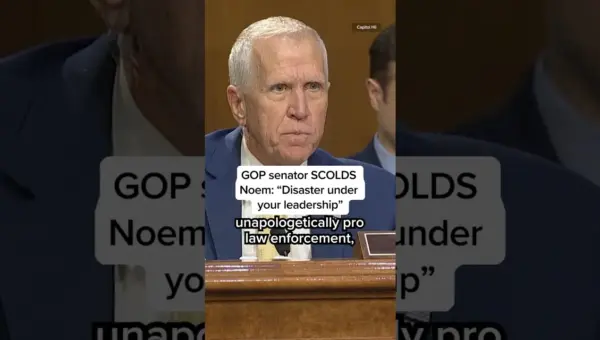
GOP Senator Blasts Kristi Noem: ‘Disaster Under Your Leadership’
Senator Thom Tillis (R-N.C.) has sharply criticized Homeland Security Secretary Kristi Noem, calling the department "a disaster under your leadership" and demanding her resignation. The remarks highlight growing Republican dissatisfaction with border security measures.
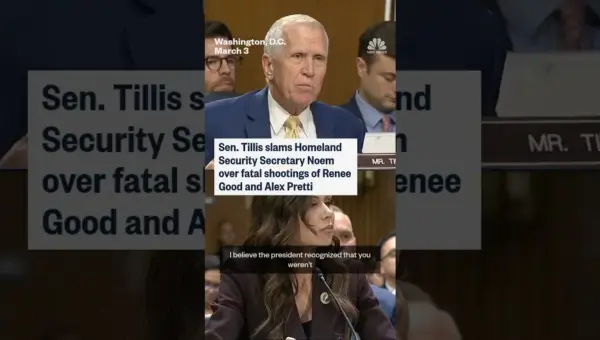
Tillis Blasts DHS Chief Over Fatal Shootings of Good and Pretti
Senator Thom Tillis has sharply criticized DHS Secretary Alejandro Mayorkas over the fatal shootings of Renee Good and Alex Pretti. Tillis accused Mayorkas of undermining public confidence in deportation efforts and failing to admit mistakes, suggesting the shootings were preventable. The senator stressed the need for law enforcement to learn from such incidents and for DHS to improve its methods.


Noem’s Testimony on Immigration Crackdown Criticized
Homeland Security Secretary Kirstjen Nielsen faced sharp questioning on Capitol Hill regarding the Trump administration's immigration policies. Critics highlighted the controversial labeling of individuals involved in protests where deaths occurred and the handling of a father separated from his dying daughter, raising concerns about agency discretion and national safety.