Tate’s Draft Stock Shocks: Top WR Prospect Faces Scrutiny
NFL Draft analysts are debating the value of wide receiver Carnell Tate, questioning his high draft stock. While considered a good player, his comparison to Ohio State's recent receiver success and the emergence of other talents like Jordan Hudson raise concerns about risk versus reward.

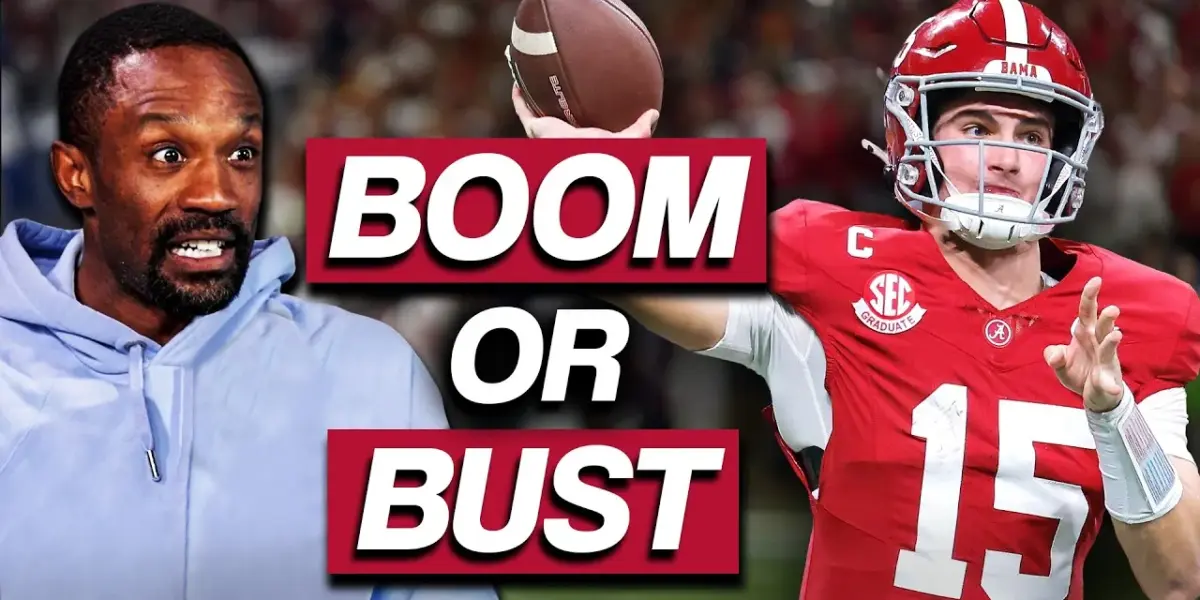
Tate’s Draft Stock Shocks: Top WR Prospect Faces Scrutiny
The NFL Draft is always full of surprises, but one name that’s causing a stir is Carnell Tate. Many expected him to be a top receiver, but his rising draft stock, even being considered for pick number two, has left analysts scratching their heads. This comes as the draft class for wide receivers isn’t seen as particularly strong this year.
Is Tate a Top Pick or a Risky Gamble?
Dominique Foxworth and Charlie Kravitz discussed Tate’s draft position on The Dominique Foxworth Show. They noted that while Tate is a very good player, he’s currently the second-best receiver on his own Ohio State team. This makes the idea of him going as high as number two in the draft seem questionable to many.
“I was stunned by that,” Foxworth said about Tate being considered for the Jets’ second overall pick. “He’s a very good player, but he’s the number two player, a number two receiver on his Ohio State team, and this just seems like a weird wide receiver class.”
Kravitz added that the word often used around Tate is “safe.” However, he pointed out that drafting a player that high means looking at what else could have been chosen. This makes Tate a riskier pick because he might have a low ceiling, even if he has a high floor. This means he’s likely to be a solid player but might not become a superstar.
JSN and Olave: The Ohio State Standard
The conversation turned to other Ohio State receivers like Garrett Wilson (JSN) and Chris Olave. Foxworth recalled watching JSN’s college tape and seeing more sudden changes of direction and exciting plays with the ball in his hands. He felt that Tate’s tape showed a solid receiver, but not the same explosive playmaker.
“When I go back and look at the JSN college tape, it’s a lot more sudden change of direction, a lot more exciting and big plays with the ball in his hand. You don’t see that with Carnell Tate,” Foxworth explained. “You see a solid receiver.”
Jordan Hudson: The Risky, High-Reward Receiver
The discussion then shifted to another receiver, Jordan Hudson from ASU. Both Foxworth and Kravitz see him as a potentially elite, true number one receiver who could make a huge difference and earn a big contract. Hudson is tall, fast, and attacks the ball well, even making one-handed catches.
However, Hudson comes with significant injury concerns. He’s had a severe knee injury (ACL, MCL, PCL), ongoing hamstring issues, and a broken collarbone. This injury history makes him a risky prospect, despite his immense talent.
“He has a pretty ugly injury history, which makes him kind of a risky prospect,” said Kravitz. “The same thing like you watch the tape, you’re like, ‘Why is this guy not the first receiver taken?’ But that’s like legitimately scary.”
Defining Risk in the NFL Draft
The hosts explored what truly constitutes risk in the NFL Draft, especially at the top of the first round. They agreed it’s not just about a player failing to live up to expectations.
Foxworth broke down different types of risk:
- Quarterback Risk: It’s almost always a risk to draft any quarterback, but teams often have to take that chance if they need one.
- Physical Outlier Risk: Players with exceptional physical traits who might be raw or have question marks.
- Red Flag Risk: Concerns about character, off-field issues, or significant injury history.
- Positional Value Reaches: Drafting a player at a position the NFL doesn’t highly value, especially if it’s a reach.
Kravitz also brought up the idea of “opportunity cost.” This means that by picking one player, you’re giving up the chance to pick another potentially better player. This is a key consideration when a player like Tate is being discussed for a high pick.
Safest Prospects: Built for Success?
Despite the focus on risk, the hosts also discussed players they see as safer bets. Defensive prospects like Rueben Bain, Caleb Downs, and Sunny Styles were mentioned.
Bain is seen as safe because he produced at a high level in college against tough competition and has the strength and versatility to play multiple spots on the defensive line. The main concern for him is his arm length, but Kravitz believes his athleticism and strength make him a safe pick.
Downs and Styles, both defensive backs, are considered safe because of their potential impact. However, the hosts noted that for them to be truly safe picks, they need to be exceptional players who can change how a defense plays. This is because their positions (like safety or off-ball linebacker) are not always seen as the most valuable in the league.
“The risk of them is they have to be so good for them to be safe because if they’re merely pretty good but they can’t actually change the way that you play, then you’ve taken someone who isn’t actually a scheme changer for you in this spot,” Foxworth explained about Downs and Styles.
Looking Ahead
The conversation highlights the complex decisions NFL teams face during the draft. Players like Carnell Tate, Jordan Hudson, and others represent different levels of risk and reward. As the draft approaches, teams will be weighing these factors heavily to build their future rosters.
Source: Ranking the riskiest prospects in the NFL Draft | The Domonique Foxworth Show (YouTube)

Related Articles

Mendoza ‘Geeked Out’ Meeting Tom Brady in Vegas Visit
Rookie quarterback Fernando Mendoza's visit to the Las Vegas Raiders is highlighted by a potential meeting with Tom Brady. Meanwhile, the Pittsburgh Steelers face a critical draft with numerous picks and a pressing need to address their aging defense and quarterback situation.

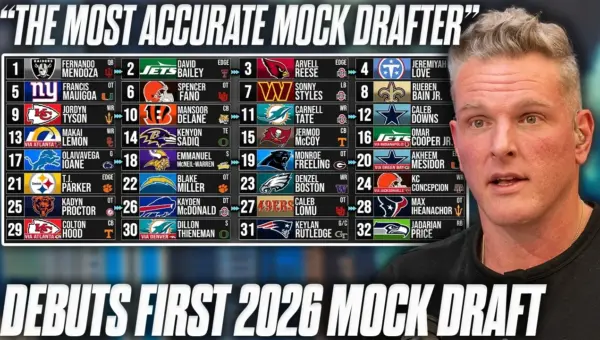
Mock Draft Shocker: Tyson to Chiefs, Simpson Left Out!
Peter Schrager's first 2026 NFL Mock Draft is out, sparking debate with Jordan Tyson projected to the Chiefs at No. 9 and Tai Simpson surprisingly left out of the first round. Schrager explains his reasoning, drawing on past draft insights and team tendencies.
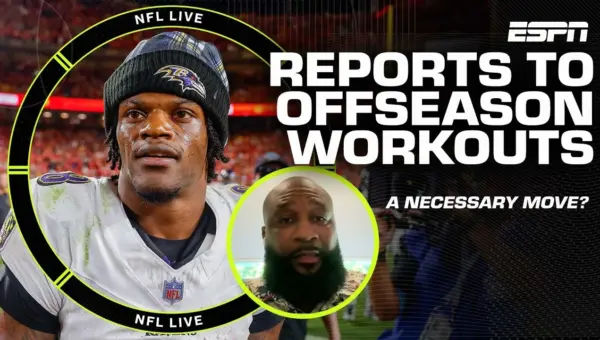
Lamar Jackson Arrives for Workouts, Ravens Rebuild Starts
Lamar Jackson's attendance at voluntary offseason workouts signals a major shift for the Baltimore Ravens. With a new offensive system and coaching staff, his commitment is seen as crucial for the team's success. The Ravens also face important decisions in the NFL Draft, with the offensive line and pass-catching options being key areas of focus.