Tariffs Signal Strong US Stance Against Iran’s Allies
New U.S. tariffs target nations supplying Iran, sending a strong message to China. While a temporary ceasefire offers a chance for talks, concerns remain about Iran's regional influence and control over the Strait of Hormuz. Long-term solutions are being explored to ensure global stability.

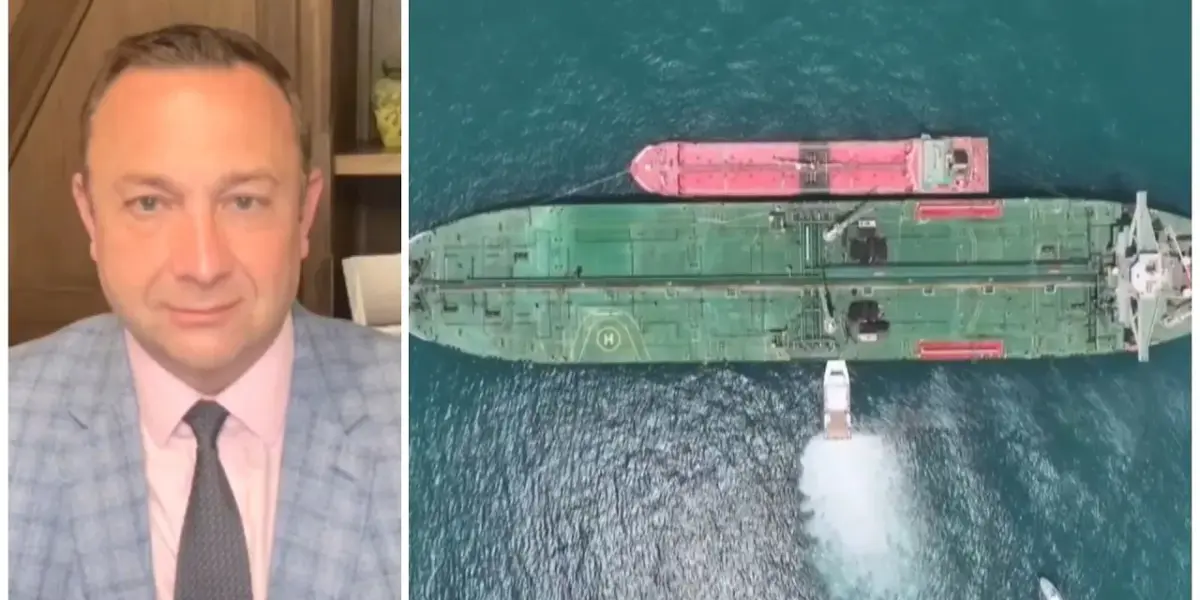
New Tariffs Aim to Deter Arms Sales to Iran
The United States is sending a clear message to countries supplying weapons to Iran. President Trump announced a significant new policy: any nation selling military arms to Iran will face immediate 50% tariffs on all goods sold to the U.S. This move, described as a “strong deterrent factor,” aims to prevent Iran from rebuilding its military after recent conflicts.
This policy specifically targets nations like China, which have been observed sending arms to Iran. The expert believes this tariff will make foreign interference in Iran’s military buildup a serious concern for the U.S. The goal is to ensure Iran cannot easily rearm itself.
Temporary Ceasefire Sparks Hope and Concern
Alongside the tariff announcement, President Trump declared a two-week suspension of attacks on Iran. This pause comes after what the administration described as breakthroughs in talks and guarantees for safe passage through the Strait of Hormuz. The President also suggested that the U.S. has met all its military objectives in Iran.
This claim implies that Iran’s ability to enrich uranium and its ballistic missile capabilities have been significantly reduced. However, analysts note that Iran still possesses missile technology, meaning the threat is not entirely gone. The situation remains complex, with the full details of any potential deal still unfolding.
Deal Details Remain Crucial
While talks are underway, the specifics of any agreement are vital. The expert emphasizes that a lasting peace requires Iran to cease its nuclear program, destroy its weapons, and stop supporting groups like Hezbollah and Hamas. The focus is on ensuring Iran does not remain a regional threat.
There is caution that Iran might use the two-week ceasefire to restock and prepare for future actions, a tactic seen in other conflicts. However, international pressure from countries like Pakistan, Oman, Turkey, Europe, and even domestic U.S. political pressure could influence the willingness to continue hostilities.
Strait of Hormuz Control Remains a Key Issue
A major point of discussion is Iran’s potential control over the Strait of Hormuz. While the U.S. aims for safe passage, Iran may seek to exert influence over this vital international waterway. This could mean shipping companies paying fees, essentially a ransom, to ensure safe transit.
This scenario represents a loss for the global community, as Iran could gain financially and further entrench its position. Long-term solutions are being discussed, including a stronger international coalition to ensure open passage. This might involve increased military presence in the Gulf from the U.S. and its allies.
Bypassing the Strait: A Long-Term Goal
The current situation highlights the need for alternatives to the Strait of Hormuz. For years, plans have been discussed to build pipelines that bypass the strait, connecting the UAE to Oman or running across Saudi Arabia to the Red Sea. These projects, though costly, could reduce reliance on Iran’s chokehold.
The war has shown the potential benefits of these alternative routes, suggesting the investment might be worthwhile to escape Iran’s influence over global shipping. This could be a significant shift in energy transport strategy.
Israel’s Ongoing Conflict with Hezbollah
The ceasefire agreement notably excludes Lebanon, meaning Israel continues its defensive war against Hezbollah. For Israel, Hezbollah, a group heavily supported by Iran, poses an existential threat. The ongoing missile and rocket attacks on Israeli civilians necessitate continued defensive actions until Hezbollah disarms.
This exclusion underscores that while a broader deal with Iran might address some issues, direct threats to Israel require separate, ongoing responses. The hope is that a larger deal could eventually lead to Iran ceasing its sponsorship of such groups.
Global Powers Block UN Resolution
Russia and China recently blocked a UN resolution aimed at protecting the Strait of Hormuz. This action reveals their ongoing alignment with Iran and suggests they do not prioritize a swift resolution favorable to the U.S. or Gulf nations.
Their veto at the UN indicates they support Iran’s interests, potentially hindering international efforts to enforce international law regarding the strait. This presents a challenge for long-term diplomatic solutions, as key global players are not aligned with U.S. strategy.
Why This Matters
The new U.S. tariffs and the temporary ceasefire signal a critical moment in international relations. The tariffs represent a strong stance against countries supporting Iran’s military, particularly China, aiming to disrupt arms flows. The ceasefire, while offering a chance for de-escalation, also carries risks, as Iran might exploit the pause.
The ongoing struggle for control of the Strait of Hormuz remains a global concern, impacting oil prices and international trade. The possibility of finding alternative routes is becoming more pressing. Meanwhile, regional conflicts, like Israel’s defense against Hezbollah, continue independently, highlighting the multifaceted nature of the challenges in the Middle East.
Looking Ahead
The coming two weeks are crucial for finalizing any deal with Iran. The U.S. must ensure any agreement addresses its core priorities: preventing a nuclear-armed Iran, dismantling its weapons programs, and curbing its support for terrorism. The effectiveness of the new tariffs will also be closely watched as a tool to shape international behavior.
Long-term, the world will need to find sustainable ways to ensure freedom of navigation in vital waterways like the Strait of Hormuz. This may require a united international front, potentially with increased military presence and investment in alternative transport routes, to counter the influence of regional powers and ensure global stability.
Source: New Tariff on Anyone Rearming Iran A ‘Strong Message to China’: Expert (YouTube)

Related Articles


Strait of Hormuz Tensions Rise: Allies Urged to Step Up
European allies are urged to increase their efforts in securing the Strait of Hormuz, a vital oil transit route. Concerns persist over Iran's nuclear program and regional activities, posing a threat to global stability.


Trump Exploits Iran’s Factional Chaos for Deal
The Trump administration is reportedly exploiting deep divisions within the Iranian regime to gain leverage in ongoing peace talks. By fueling infighting among various factions, the US aims to secure a more favorable deal or weaken its adversaries through internal conflict. This strategy also extends to pressuring China economically by disrupting its access to discounted oil.
Iran’s Stark Choice: Surrender or Face Destruction
A senior analyst states Iran must choose between total surrender or annihilation. Khosro Isfahani highlights conflicting media reports and urges awareness amidst potential conflict. This stark choice has significant global implications.