Tariffs Reignite, Supreme Court Ruling Sparks New Legal Path
Former President Trump's economic address highlighted a renewed focus on tariffs, citing their success in generating revenue and securing trade deals. Despite a Supreme Court ruling, alternative legal avenues are expected to maintain tariff implementation. The speech also detailed tax reforms, investment initiatives, and efforts to control inflation and reduce consumer costs.

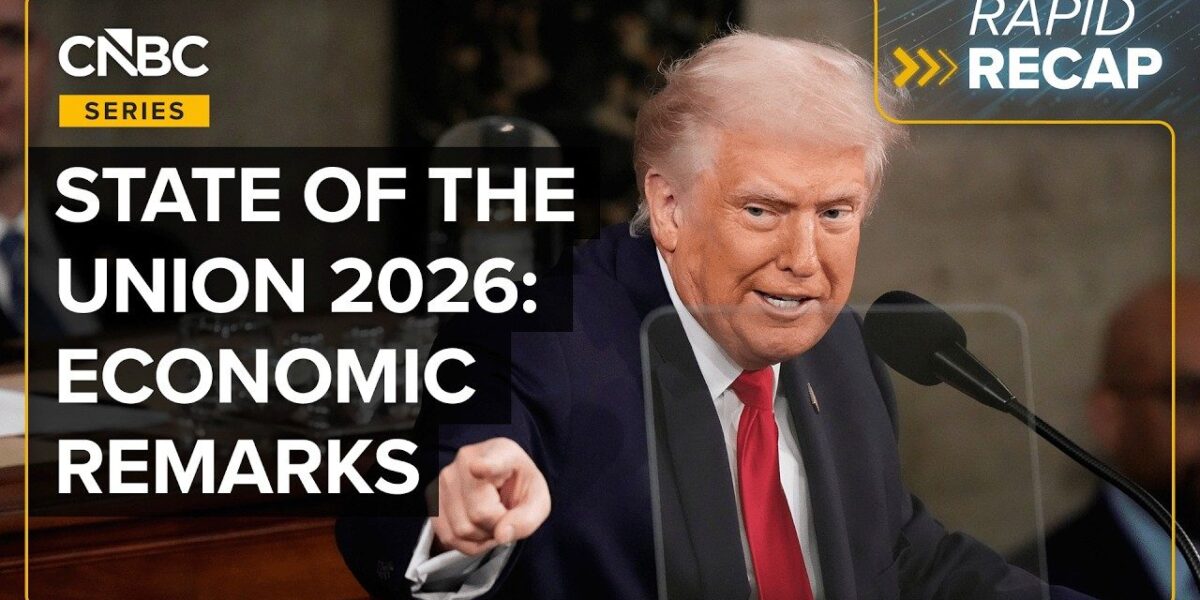
Trump’s Economic Address: Tariffs, Tax Reforms, and Market Dynamics
In a recent address, former President Donald Trump outlined a series of economic policies and achievements, highlighting the significant role of tariffs in his administration’s economic strategy. The remarks, delivered in the context of a “State of the Union 2026 Rapid Recap,” emphasized a perceived economic turnaround, citing the Dow Jones Industrial Average surpassing 50,000 four years ahead of schedule as a key indicator of national prosperity. A central theme was the utilization of tariffs, which Trump stated generated hundreds of millions of dollars and secured favorable trade deals for the United States, impacting both economic and national security interests.
Tariff Strategy and Legal Repercussions
Trump asserted that tariffs were instrumental in compelling countries that had previously engaged in unfavorable trade practices to contribute financially to the U.S. economy. He indicated that these revenue streams were substantial, amounting to “hundreds of billions of dollars.” However, the address also acknowledged a recent Supreme Court ruling that impacted the administration’s ability to implement tariffs. Trump described the ruling as “unfortunate” but expressed confidence that alternative legal statutes, which he characterized as “fully approved and tested” and “time-tested and approved,” would ensure the continuation of these tariffs. He suggested these alternative methods might even lead to a stronger outcome than before, rendering congressional action unnecessary.
“Countries that were ripping us off for decades are now paying us hundreds of billions of dollars.”
The implication is that the revenue generated from these tariffs could significantly offset or even replace the modern income tax system, thereby reducing the financial burden on American citizens. This approach aims to shift the tax liability onto foreign entities engaged in trade with the U.S.
Tax Relief and Investment Initiatives
The address detailed several tax relief measures and new investment programs. These include a “no tax on tips,” “no tax on overtime,” and “no tax on Social Security for seniors.” Additionally, interest on auto loans became tax-deductible for vehicles manufactured in America. A significant initiative highlighted is the “Trump Accounts” program, designed as tax-free investment accounts for American children. These accounts, which can be pre-funded by the U.S. Treasury and private donors, are projected to grow to over $100,000 per child by the age of 18. The program aims to foster early investment and long-term financial security for the younger generation.
Retirement Security and Market Performance
Addressing retirement savings, Trump noted a substantial increase in the typical 401(k) balance, citing a rise of at least $30,000 since he took office. However, he pointed out that a significant portion of the workforce still lacks access to employer-sponsored retirement plans with matching contributions. To rectify this, his administration proposed extending the same type of retirement plan offered to federal workers to all American workers, including an annual government match of up to $1,000. Furthermore, the address called for preventing members of Congress from profiting from insider information.
Inflation Control and Consumer Price Reductions
A key economic achievement highlighted was the reduction of core inflation to its lowest level in over five years, reaching 1.7% in the last three months of 2025. This was accompanied by a significant decrease in the price of gasoline, which fell to below $2.30 per gallon in most states, with some areas seeing prices as low as $1.85 per gallon, a stark contrast to previous highs exceeding $6 per gallon. Consumer prices for essential goods and services also reportedly decreased, with eggs down 60%, and notable reductions in the cost of chicken, butter, fruit, hotels, automobiles, and rent. Beef prices, while previously high, were also reported to be trending downwards.
Housing Market and Healthcare Reforms
Mortgage rates were reported to be at their lowest in four years and declining, with the annual cost of a typical new mortgage reduced by nearly $5,000 since the beginning of the administration. This policy aims to address the housing market and protect the value of existing homeownership. In healthcare, Trump criticized the Affordable Care Act (ACA), stating that it enriched insurance companies at the expense of consumers. He proposed a new healthcare plan that would redirect funds from insurance companies directly to individuals, enabling them to purchase healthcare services at a lower cost. The plan also emphasizes maximum price transparency and aims to reduce the cost of prescription drugs, reversing the trend of U.S. prices being the highest globally.
Energy Production and AI Demand
American oil production saw an increase of over 600,000 barrels per day, supplemented by an import of more than 80 million barrels from Venezuela. Natural gas production reached an all-time high. To address the potential impact of increased energy demand from AI data centers on electricity prices, a “ratepayer protection pledge” was announced. This initiative requires major tech companies to provide for their own power needs, potentially by building their own power plants, thereby preventing price increases for consumers and potentially lowering electricity costs in affected communities.
Geopolitical and National Security Stance
The address also touched upon national security, referencing “Operation Midnight Hammer,” a military operation in June that reportedly disrupted Iran’s nuclear weapons program. Trump reiterated a policy of preventing Iran from obtaining nuclear weapons and highlighted efforts to negotiate with the country, emphasizing a commitment to peace while maintaining a firm stance against threats to American interests.
Market Impact: The outlined economic policies, particularly the emphasis on tariffs and tax reforms, suggest a potential shift in global trade dynamics and domestic fiscal strategy. The continuation of tariffs through alternative legal means, if successful, could impact import costs and international trade relations. Tax cuts and investment incentives like the “Trump Accounts” aim to stimulate domestic consumption and long-term savings. Reductions in inflation and interest rates, if sustained, could foster broader economic growth and stability. The healthcare reforms, if implemented, could significantly alter the insurance and pharmaceutical sectors. The strategy for managing AI-driven energy demand could influence the energy sector and utility pricing.
What Investors Should Know: Investors should monitor the effectiveness of the alternative legal statutes for implementing tariffs and their impact on specific industries and international trade. The success of tax relief measures and investment programs could influence consumer spending and capital markets. Changes in inflation and interest rates will be critical for fixed-income and equity valuations. The proposed healthcare reforms could present both opportunities and challenges for companies within the healthcare ecosystem. The energy sector may see shifts due to increased domestic production and new demand management strategies. The geopolitical context, particularly regarding trade and international relations, remains a significant factor for market sentiment and investment decisions.
Source: State Of The Union 2026 Rapid Recap: Trump's Biggest Economic Remarks (YouTube)

Related Articles


AI’s Economic Shift: Ownership is the New Wage
Artificial intelligence is projected to significantly reduce the economic value of human labor within a decade. Experts suggest that capital ownership, rather than wages, will become the primary means of wealth accumulation. Investors are urged to consider this shift in their long-term strategies.
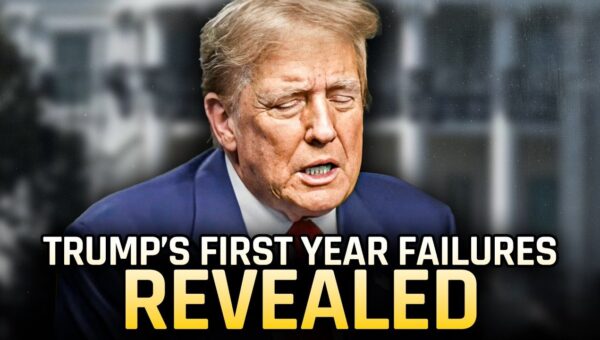
Trump’s Tariffs Linked to Stagnant Job Growth in First Year Back
The U.S. economy saw minimal job growth in 2025, adding just 181,000 jobs, a figure attributed to business uncertainty fueled by Donald Trump's volatile tariff policies. While January 2026 showed gains, they were heavily concentrated in healthcare, masking broader economic weakness and significant layoffs.


Russia’s Hidden Debt Crisis: A Silent Drain on Citizens
Russia is reportedly accumulating significant debt through complex financial schemes, which critics argue are subtly draining resources from its citizens. The government's reliance on borrowing, coupled with inflation and rising interest rates, is placing a growing burden on ordinary Russians.