Tariffs Cost Trillions: How Markets Recovered
Sweeping tariffs initially wiped out $2.4 trillion in market value, but a swift rebound followed. Companies now grapple with rising costs, with consumers ultimately bearing the brunt through higher prices.

Tariffs Cost Trillions: How Markets Recovered
One year ago, the announcement of sweeping tariffs sent shockwaves through the financial markets. The S&P 500 index, a key measure of U.S. large-cap stocks, saw companies lose a combined $2.4 trillion in value on the day of the announcement. Wall Street initially feared the wide-ranging impact across different business sectors.
However, the market rebound was surprisingly swift. This quick recovery was largely due to a phenomenon investors have nicknamed “Taco.” This term refers to how President Trump often lowered, delayed, or canceled tariffs shortly after they were announced. This pattern led to uncertainty, but also to a quick return to stability in many cases.
Global Tariffs Stabilize Around 10%
A year later, global tariffs have settled at an average rate of about 10%. While President Trump has sometimes threatened to increase these rates, investors remain uncertain if such hikes will actually occur. This period has provided a clearer picture of how these trade policies affect the U.S. economy.
As many company leaders warned, the U.S. has felt the biggest impact. Both consumers and businesses have shouldered the costs. The effects have varied significantly across different industries.
Automotive Sector Faces Billions in Costs
The automotive industry was hit particularly hard. Both foreign and domestic car manufacturers have dealt with billions of dollars in extra expenses due to the tariffs. Car prices have increased by roughly 1% since the tariffs were put in place. However, car companies have cautioned that these tariff pressures are becoming too much to handle. They expect these costs will soon be passed on to customers.
Retail Feels the Pinch, Small Businesses Suffer
The retail sector has been disproportionately affected. Large corporations have managed to cope better with the challenges. Many smaller businesses, however, have struggled and even closed down. Prices for certain items at major retailers like Walmart and Best Buy have been rising. Major clothing companies, such as Abercrombie and Fitch, have started changing their supply chains. They are working to reduce their reliance on single countries for manufacturing apparel.
Manufacturing Shifts, But Not Always to the U.S.
President Trump stated that a main goal of these tariffs was to bring manufacturing jobs back to the United States. While companies are indeed adjusting their supply chains, in most situations, these changes are not leading back to America. For example, the pharmaceutical industry is seeing investment flow into the U.S. for manufacturing.
Pharmaceuticals Gain Exemptions Through Price Deals
Over a dozen major drug companies have reached agreements with the Trump administration to lower their drug prices. In return, these companies received three-year exemptions from potential pharmaceutical tariffs. The condition is that they must keep investing in U.S. manufacturing facilities. Companies like Johnson & Johnson and AbbVie have committed billions of dollars to boost their domestic production capabilities.
Consumer Goods Grapple with Imported Materials
Many companies in the consumer packaged goods sector already make their products in the U.S. However, they often import key materials needed for assembly. For instance, the wood pulp used to make toilet paper or the aluminum needed for beer cans are often imported. Constellation Brands, the maker of Modelo and Corona beer, estimated a $20 million reduction in its earnings for fiscal year 2026 due to aluminum tariffs.
Some brands have responded by raising prices. Procter & Gamble, for example, increased prices on about 25% of its products. Other companies, like J.M. Smucker, which produces Folgers Coffee and its own brand of jams, recently absorbed a $75 million hit from tariffs. The alternative would have been to raise prices for the third time in a single year.
Market Impact: A Balancing Act for Companies
The situation presents a difficult choice for consumer-facing companies. If they absorb the tariff costs, their profits suffer, which can hurt their stock prices and investors. If they pass these costs onto consumers through higher prices, customers feel the financial strain. This balancing act is a challenge that consumer brands across various industries will likely continue to face.
The initial market shock of trillions in lost value was significant. However, the subsequent adjustments and the “Taco” effect showed market resilience. The long-term implications depend on the future of global trade policies and how companies continue to adapt their supply chains and pricing strategies.
Source: How Companies Have Fared Since Trump Tariffs Shocked The Market (YouTube)

Related Articles

Jobs Report Stuns Market: 178,000 New Roles Added
The U.S. economy surprised analysts with the creation of 178,000 nonfarm payroll jobs in March, significantly exceeding expectations. The unemployment rate fell to 4.3%, signaling robust labor market strength. Experts view the report as a sign of strong business confidence, though concerns about inflation persist.


Trump’s ‘Golden Age’ Claims Face Economic Reality Check
Donald Trump's claims of an $18 trillion economic boom fueled by tariffs are met with skepticism. While supporters cite job creation, many business owners report negative impacts like job cuts and slowed growth. The actual economic gains and the effectiveness of tariffs remain a subject of intense debate.

Trump’s Iran Speech Sparks Oil Spikes, Economic Fears Globally
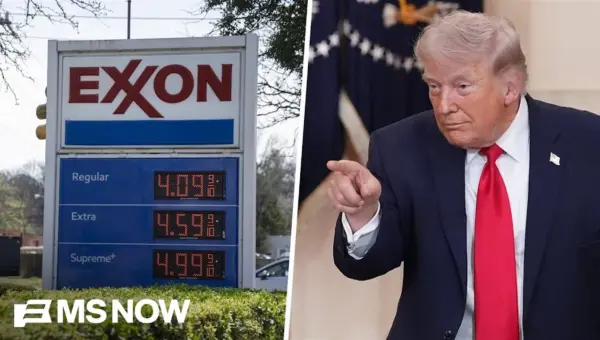
President Trump's recent remarks on Iran have triggered an 11% spike in oil prices and rattled global markets. Experts warn of significant economic fallout, from rising consumer costs to potential disruptions in farming and travel. New tariffs on drugs and proposed changes to 401(k) investments add further layers of economic uncertainty.